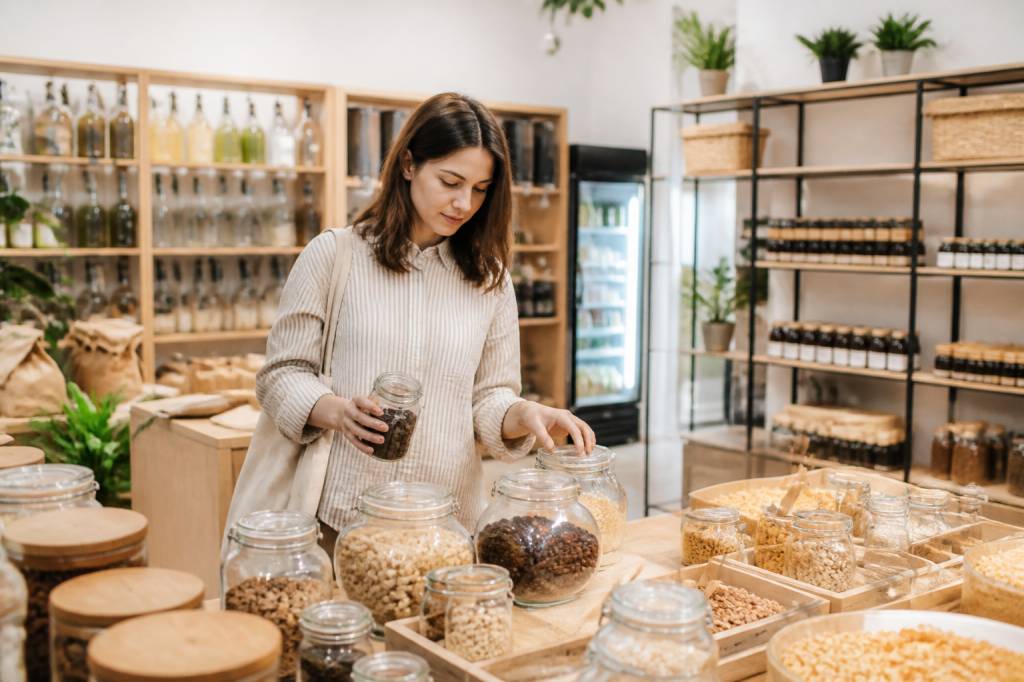
Walking into a health food store can feel a bit like stepping into a well-lit maze of good intentions. Shelves are packed with organic pasta, adaptogenic powders, kefir, beauty oils, protein bars, herbal teas, and enough superfoods to make your shopping basket look very ambitious. The challenge is not finding “healthy” products. It is finding the ones that are genuinely useful, good value, and suited to everyday life.
If you shop for organic groceries and wellness products regularly, a little structure goes a long way. The best stores do more than sell trendy items; they help you build meals, support your routines, and make better choices without spending your whole lunch break reading labels. This guide breaks down what to look for, how to compare products, and how to leave with a basket that is both sensible and nourishing.
What makes a good healthy food store?
A good healthy food store is not just the one with the prettiest packaging. The real test is whether it makes it easier for you to shop well every week. Look for stores that combine quality, transparency, and a range of practical basics.
Here are the signs I pay attention to:
One small detail often tells you a lot: how the store handles freshness. Are the herbs crisp? Are the chilled products well organised? Is there stock turning over regularly? A healthy food store should feel cared for. If the spinach looks tired, the rest of the experience is probably not winning any awards either.
How to read organic labels without overthinking it
Organic labels are helpful, but they are not all the same. If you are buying groceries for everyday use, knowing the basics saves time and money. In the UK, the Soil Association and the EU organic logo are common markers, but not every product needs a big backstory to be a good choice. Start with the label, then check the ingredient list.
For packaged food, I usually ask three simple questions:
Organic does not automatically mean nutritious in every case. A biscuit is still a biscuit, even if it is organic. But organic certification can be a useful sign that the product meets stricter standards for farming methods, pesticide use, and some processing rules. That matters, especially when you are buying foods you eat often, such as oats, milk, eggs, yogurt, flour, and rice.
When it comes to wellness products, labels matter just as much. Look for ingredient transparency, dosage information where relevant, and realistic claims. If a product promises to “fix your life by Tuesday,” that is your cue to keep walking.
Organic groceries worth prioritising first
If you are trying to shop organically on a budget, the trick is not to replace everything at once. Start with the items you buy often, or the ones where quality makes the biggest difference.
These are the categories I would prioritise:
If you want to shop smart, think in layers. Buy organic for the foods you consume most often, and then build from there. You do not need a perfect basket; you need a reliable one.
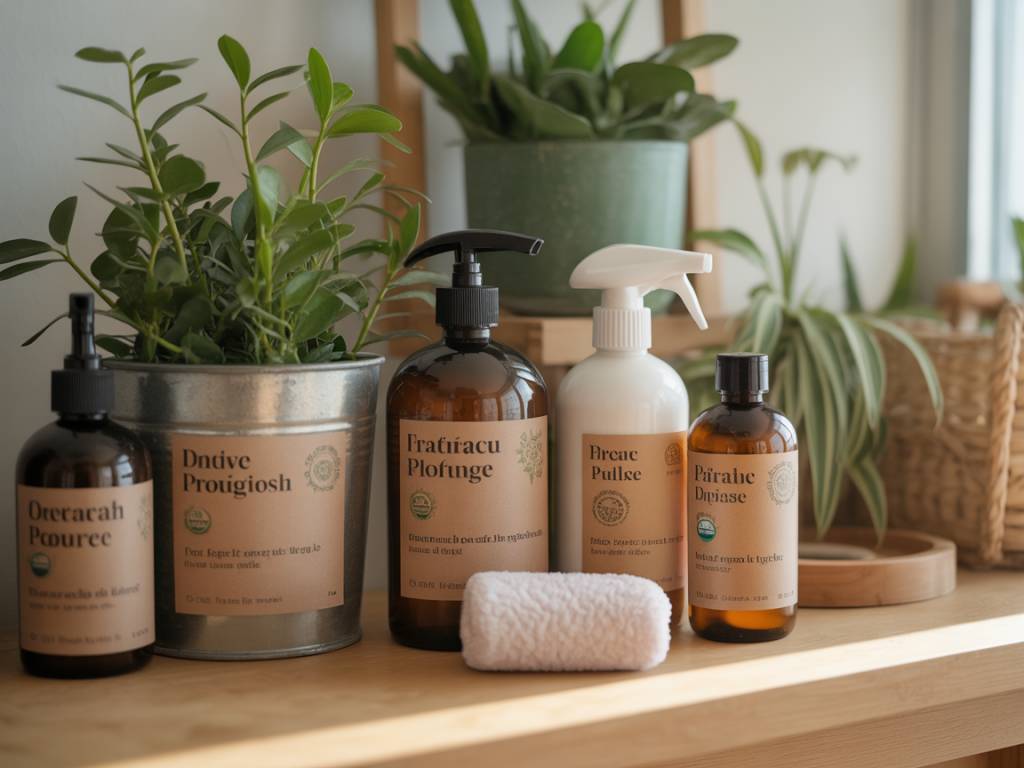
What to look for in wellness products
Wellness products can be genuinely useful, but they also attract plenty of marketing noise. A smart shopper looks for function, not hype. Whether you are buying herbal teas, supplements, bath products, or pantry boosters like collagen or mushroom blends, the same rule applies: read the label first.
For food-based wellness products, pay attention to:
There is a big difference between a product that supports your routine and one that becomes an expensive ornament. I have personally bought more “miracle” powders than I care to admit, and the lesson is always the same: if it is awkward to use, it will not become a habit.
How to build a balanced basket in one shop
The easiest way to shop well is to plan your basket by meal type, not by category mood. If you leave the shop with random healthy-looking items, you will still have to figure out dinner later. That is where good intentions vanish into a packet of crackers.
A balanced healthy food basket should include:
A good rule of thumb is to aim for versatility. Choose ingredients that can work across multiple meals. For example, a bag of quinoa, a tray of roasted vegetables, and a jar of tahini can become lunch bowls, salad toppers, or a quick dinner with eggs. The more ways you can use an item, the better the value.
Shopping tips for better value without losing quality
Healthy shopping does not have to mean paying premium prices for every item. In fact, the best shoppers are usually the ones who know where to save and where to spend.
Here are a few practical strategies:
I always recommend making peace with a few convenience items. If pre-cut squash means you will actually make soup on a Wednesday night, that is not laziness. That is good system design.
How to spot marketing tricks and avoid overbuying
Healthy food aisles are full of attractive language: supercharged, raw, natural, clean, immune-supporting, detoxifying. Some of it is meaningful. Some of it is just expensive poetry.
Before buying, pause and ask:
One of the easiest traps is buying wellness products in multiples “just in case.” Three herbal blends, two adaptogen powders, one magnesium spray, and a shelf of digestive bitters can look very organised right up until you realise you only needed peppermint tea and better sleep.
Start with one product at a time. See how your body responds. Then decide whether it deserves a permanent place in your routine.
Simple store checklist for organic groceries and wellness products
If you want a quick system for shopping, use this checklist before you check out:
This kind of quick review takes less than a minute and can save you from accidental stockpiling. It also helps you notice patterns. For example, if you keep buying fancy snack bars and forgetting to buy vegetables, the problem is not your willpower. It is your shopping strategy.
Storing your healthy groceries so they last longer
Buying well is only half the job. Storing food properly is what turns a good shop into a useful week.
A few habits make a big difference:
For wellness products, keep them in a cool, dry place away from sunlight unless the packaging says otherwise. And if a supplement, powder, or tea has been open for months, check the smell and appearance before using it. Freshness matters more than most labels admit.
A practical example of a smart healthy shop
Let’s make this real. If I were building a weekly basket for two people, I would probably start with the following: organic oats, eggs, yogurt, apples, salad leaves, carrots, onions, spinach, brown rice, lentils, tinned tomatoes, nut butter, olive oil, a block of cheese or tofu, herbal tea, and a simple wellness product like magnesium or a calming tea blend, depending on need.
That basket supports breakfast, lunches, and at least three dinners. It also gives you flexibility. You can make porridge, soup, grain bowls, egg toast, pasta, smoothies, or a tray bake without needing a second shopping trip three days later. That is the real goal: fewer gaps, less waste, more meals you can actually make on a busy evening.
Final shopping mindset: keep it simple and repeatable
The best healthy food store habits are the ones you can repeat without much effort. You do not need the perfect basket. You need a dependable one built around good basics, clear labels, and products you will genuinely use.
When in doubt, return to the essentials: organic staples, fresh produce, versatile proteins, honest wellness products, and a storage system that keeps food usable. That combination does more for your day-to-day health than chasing every new trend on the shelf.
Healthy shopping becomes much easier once you stop trying to buy “everything good” and start buying “the right things for this week.” That shift saves money, reduces waste, and makes the contents of your fridge a lot less mysterious on Thursday night.