If you’re trying to eat better without turning every meal into a research project, the right healthy food store can make a huge difference. The best shops for organic groceries do more than sell vegetables with fancy labels: they help you build a routine that is realistic, affordable, and actually enjoyable to maintain. That matters, because “healthy eating” is rarely about one perfect shopping trip. It’s about the small decisions you repeat week after week.
As someone who spends a lot of time looking at ingredients, labels, sourcing methods, and practical kitchen habits, I can tell you this: the easiest way to eat well is to make the good choice the convenient choice. A store that stocks quality organic basics, clear labels, and everyday wellness staples can save you time, reduce stress, and help you waste less food. And yes, it can also save you from the classic “I went in for oats and came out with three jars of tahini and no dinner plan” situation.
What makes a healthy food store worth your time?
Not every shop that sells “healthy” products is truly helpful. Some are packed with trendy snacks, expensive superfoods, and enough wellness jargon to make your head spin. A genuinely useful healthy food store should do a few things well:
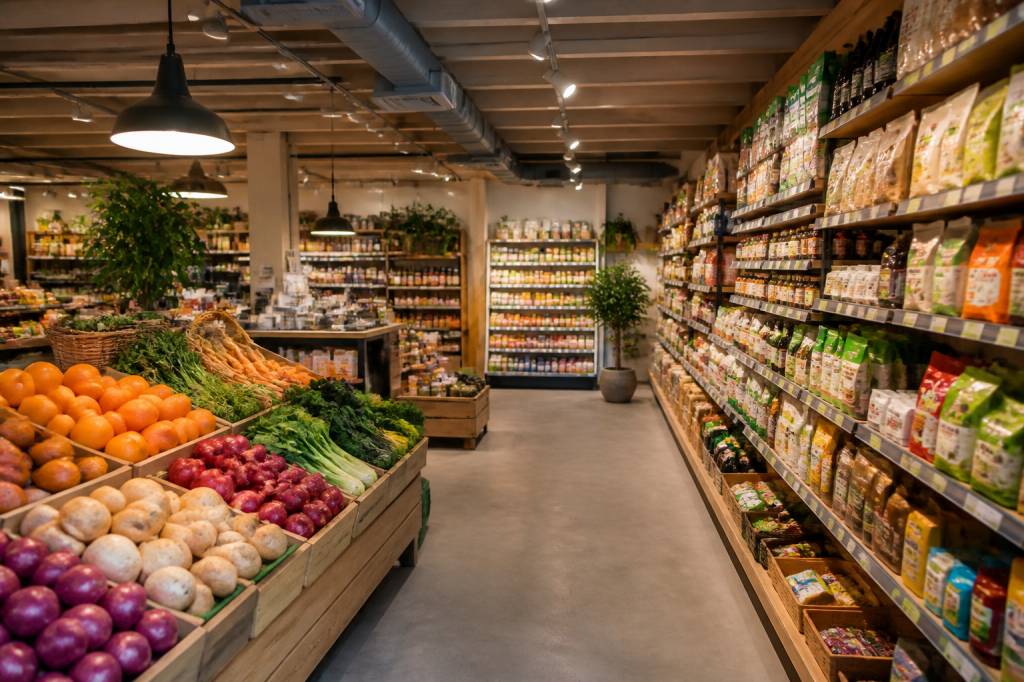
The best stores understand that healthy eating is not a niche lifestyle. It’s groceries, simply done better. Think oats, lentils, tinned beans, wholegrain pasta, seasonal vegetables, natural yoghurts, olive oil, herbs, and a few good convenience items for busy weeks.
Why organic groceries matter in everyday life
Organic food is often discussed as if it were only about farming philosophy, but for everyday shoppers it’s also about consistency and trust. Organic standards typically restrict synthetic pesticides, fertilisers, and genetically modified ingredients, while placing more emphasis on soil health, biodiversity, and animal welfare. For many households, that creates a simple purchasing rule: buy organic when it matters most to you, and prioritise the items you use most often.
That doesn’t mean every item in your trolley has to be organic. In fact, one of the most practical approaches is to focus on the foods you eat frequently or consume with minimal processing. For example:
Organic groceries can also help you build a kitchen with fewer vague surprises. When you choose items with short ingredient lists and clear sourcing, it becomes easier to cook from scratch and keep track of what’s in your cupboards. That’s good for your health, yes, but also for your budget and your sanity.
The pantry staples that make healthy eating easier
If you want everyday wellness without spending your life in the kitchen, start with a reliable base of pantry staples. A good healthy food store should stock products that make simple meals possible on tired weeknights and busy mornings.
Here are the essentials I’d keep on repeat:
The point is not to build the “perfect” pantry. It’s to create a cupboard that helps you make a decent meal in ten minutes without relying on ultra-processed convenience food every time.
How to spot a genuinely good organic label
One of the most useful skills in a healthy food store is learning to read labels quickly. Organic branding is useful, but it should never be the only reason you buy something. Look beyond the front of the pack and check the details.
When you’re comparing products, ask yourself:
A product can be organic and still not be especially nourishing. Organic biscuits are still biscuits. Organic crisps are still crisps. That’s why the best healthy food stores balance treat items with everyday building blocks. A good rule of thumb: if the ingredient list reads like a dessert menu and the health claims are doing all the work, take a step back and reassess.
Shopping for wellness without falling for wellness marketing
“Wellness” is a useful concept when it means practical habits that support daily life: steady energy, regular meals, good digestion, and less decision fatigue. It becomes less helpful when it turns into a shopping theme. A store can be full of powders, tinctures, and miracle blends and still not help you eat better.
Here’s a more grounded way to think about everyday wellness shopping:
If a wellness product promises to solve every problem in your life, it probably won’t even solve breakfast. Real everyday wellness is usually less glamorous: enough vegetables, a decent breakfast, proper hydration, and a kitchen that doesn’t require a treasure hunt to make dinner.
The best types of healthy food stores for organic groceries
Different stores suit different shopping habits. The right choice depends on how you cook, how often you shop, and what you need to get through the week.
Independent organic grocers are ideal if you want expert product knowledge, local produce, and a more curated selection. These shops often carry higher-quality fresh items and better artisanal goods, plus staff who can tell you which tomato variety actually tastes like something.
Specialist health food shops are great for pantry staples, allergy-friendly products, fermented foods, supplements, and niche ingredients. They’re especially useful if you eat gluten-free, dairy-free, vegan, or follow another specific pattern that requires more than a standard supermarket aisle.
Farm shops and markets work well when you want seasonal produce, local dairy, eggs, meat, and fewer intermediaries. The freshness is often excellent, and the shopping experience can help you plan meals around what’s actually available.
Online organic retailers are useful for bulk buying and pantry stocking, especially if you live far from a good local shop. They’re particularly convenient for heavy items like oats, rice, and tinned goods. Just make sure you’re not paying a fortune in delivery for a packet of lentils that cost less than the postage.
What to buy first if you’re building a healthier routine
If your goal is to improve your eating habits, don’t try to replace your entire kitchen in one weekend. Start with a few strategic swaps. Small changes are easier to maintain, and they tend to stick.
A practical first shop might include:
From there, build meals around the formula I always come back to: one protein source, one or two vegetables, one satisfying carb, and a sauce or seasoning that makes it all worth eating. Healthy food gets much easier once you stop expecting it to be complicated.
How to shop smart and avoid waste
A healthy food store can help you eat better, but only if your shopping habits support the plan. The most common mistake is buying too much of the right food and then letting it wilt in the fridge. Been there, regretted that.
These habits make a big difference:
If you’re buying organic produce, waste prevention matters even more. Organic ingredients can be more expensive, so it makes sense to treat them with a bit of respect. Cook your vegetables early in the week if they’re close to turning. Turn soft fruit into compote or smoothies. Roast leftover roots together. Make soup before the fridge starts making decisions for you.
Simple meal ideas built from healthy store staples
Healthy food stores are most useful when they help you turn groceries into real meals quickly. A few repeatable combinations can remove the daily “what on earth is for dinner?” problem.
Try these easy ideas:
The beauty of a well-stocked healthy food store is that it supports these meals without requiring a complicated recipe every time. You can cook simply and still eat very well.
Making healthy shopping fit a real-life budget
One of the biggest myths about organic groceries is that they only work for people with endless time and money. In reality, the most budget-friendly approach is often the most practical one: buy fewer processed extras and focus on basic ingredients that stretch across multiple meals.
To keep costs manageable:
The smartest healthy shopping isn’t about perfection. It’s about creating a kitchen system that supports good habits without draining your wallet or your patience.
When you find healthy food stores that stock reliable organic groceries, honest ingredients, and everyday wellness essentials, grocery shopping stops feeling like a chore and starts feeling like a practical part of self-care. And honestly, if a shop can help you make a decent dinner, avoid food waste, and leave with ingredients you’ll actually use, that’s a pretty good deal.