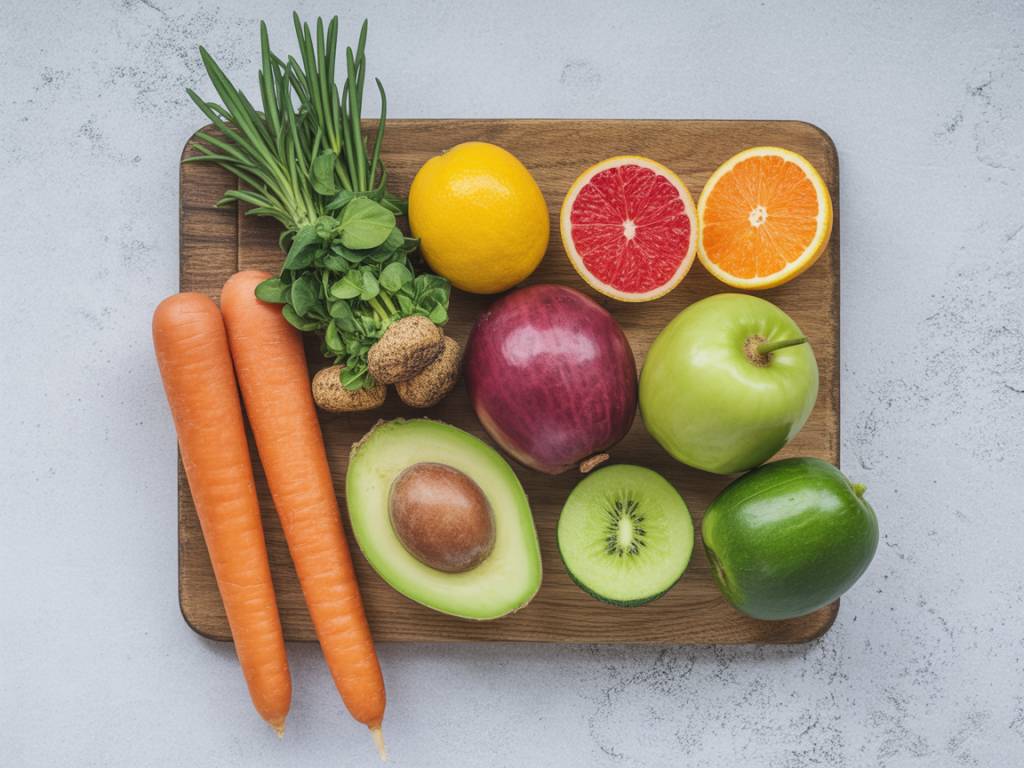
When people think “organic”, they often picture a virtuous shopping basket and a slightly higher bill at the till. But what if the real story of an organic diet was less about perfection and more about a series of small, very practical health wins you can feel in your everyday life – more stable energy, calmer digestion, better sleep, fewer “mystery” headaches?
In this article, I want to walk you through what current nutrition science actually says about organic eating, and how those findings translate into concrete benefits in a busy, real-life kitchen. No halos, no dogma – just useful information to help you decide what’s worth changing in your cart.
What “organic” really means (and why it matters for your body)
Let’s start with the basics. In the UK and EU, “organic” is a legally protected term. A food labelled organic must meet strict standards on how it’s grown, raised, and processed.
In practice, that means organic farming:
- Limits or bans the use of synthetic pesticides and herbicides
- Prohibits routine use of antibiotics in livestock
- Forbids synthetic growth hormones
- Requires organic, non-GM feed for animals
- Favours crop rotations, compost and natural fertilisers instead of synthetic fertilisers
On a label, that usually looks like:
- Soil Association logo in the UK: a trusted reference with slightly stricter rules than the legal minimum
- The green EU organic leaf logo: the baseline European organic standard
- Other credible certifiers (for imported foods), like Nature et Progrès, Bio Suisse, etc.
Why does that matter for your health? Because these rules don’t just affect the environment – they quietly change what ends up in your glass of milk, your child’s apple slices, and your cup of tea.
Everyday health benefit #1: Lower pesticide exposure (and fewer “invisible” cocktails)
You can’t see or taste them, but pesticide residues are the main difference between standard and organic foods.
Large monitoring programmes in Europe regularly find that:
- Conventional fruit and veg often contain multiple pesticide residues (each within legal limits, but still combined)
- Organic produce has far fewer residues and at much lower levels
Several studies looking at people’s urine – a practical way to measure exposure – have found that those who eat mostly organic have significantly lower levels of certain pesticide metabolites. In some intervention trials, families who switched a large part of their diet to organic saw their pesticide markers drop by 60–90% in just a week.
Now, are legal pesticide limits designed to be “safe”? Yes. Is the science on how mixtures of low-dose chemicals behave over years of exposure complete? Not at all.
For many toxicologists and public health researchers, the reasonable attitude is a precautionary one: if you can reduce your exposure without making your life complicated or your budget explode, why wouldn’t you?
In everyday life, that “invisible” benefit can translate into fewer unexplained headaches or skin irritations for sensitive people, and a little less chemical load for your children’s developing bodies.
Everyday health benefit #2: A happier gut microbiome
One of the most interesting areas of research right now is how organic foods may affect the gut microbiome – the vast community of bacteria, fungi and other microbes living in your digestive tract.
A few emerging findings:
- Some pesticides and herbicides used in conventional farming (like glyphosate) can affect certain gut bacteria in lab and animal studies
- Organic crops often contain slightly more polyphenols and plant antioxidants – compounds that our gut microbes love to feed on
- Diets rich in minimally processed foods (common in people who buy organic) are consistently associated with greater microbiome diversity and better metabolic health
Is it the “organic” label itself or the type of foods organic eaters tend to choose (more whole foods, fewer ultra-processed products)? Realistically, it’s a mix of both, and most large cohort studies try to adjust for that.
What you might notice on a practical level:
- Less bloating and discomfort after meals when your diet shifts to more organic whole foods
- More regular bowel movements as fibre and polyphenols increase
- A slight improvement in how “heavy” or “light” meals feel, especially if organic choices replace ultra-processed snacks
In my own kitchen, I see it when we switch house guests from sugary breakfast cereals to organic oats with fruit: the first two days, their gut complains a bit, then suddenly they’re fuller for longer, and the post-breakfast energy slump disappears.
Everyday health benefit #3: Calmer inflammation (the quiet background noise)
Chronic low-grade inflammation is like a constant background hum in the body. You don’t always feel “ill”, but you might recognise it in:
- Always feeling a bit swollen or puffy
- Joint stiffness in the morning
- Slow recovery after exercise
- Frequent minor infections
So where does organic eating come in?
Several large observational studies (including the French NutriNet-Santé cohort) have reported that people who regularly choose organic foods tend to have:
- Lower levels of certain inflammatory markers
- Reduced risk of overweight and obesity
- Lower incidence of metabolic syndrome
Of course, these people also tend to eat more plants and cook more at home – both powerful anti-inflammatory habits in themselves. But organic choices may add an extra layer via:
- Reduced exposure to some pesticides and additives that can irritate the gut barrier
- Slightly higher intakes of antioxidant compounds in organic fruit, veg and wholegrains
- Higher omega‑3 content in organic meat and dairy compared to conventional, in many analyses
None of this means an organic biscuit is suddenly “anti-inflammatory”. What it means is that an overall pattern of organic, minimally processed foods can gently dial down that background hum over time.
Everyday health benefit #4: Subtler hormone balance
This is the benefit few people talk about, but that quietly concerns a lot of my readers: fertility, menstrual comfort, and hormone-dependent conditions.
Some pesticides and industrial chemicals act as endocrine disruptors – substances that can interfere with our hormones, sometimes at very low doses. Regulatory systems try to account for this, but research is still catching up on long-term, real-world exposure.
Several cohort studies have suggested that high intake of certain pesticide residues may be linked with:
- Reduced sperm quality in men
- Lower success rates in couples undergoing fertility treatments
- Higher risk of some hormone-related cancers, though the data here is still emerging and complex
On the flip side, large studies following organic food consumers have observed:
- Lower overall risk of some cancers in high organic consumers (again, lifestyle factors also play a role)
- Reduced pesticide biomarkers in urine and blood
For you, this doesn’t mean you need to overhaul everything overnight. It suggests that focusing your organic budget on foods that typically carry higher pesticide loads – especially for women trying to conceive, and for children – is a reasonable, low-effort way to support hormonal health.
Everyday health benefit #5: More stable energy and appetite
Here’s a very down-to-earth observation from years of cooking workshops: people who move towards a more organic pattern, even partially, often report:
- Feeling fuller for longer after meals
- Less intense mid-afternoon sugar cravings
- Fewer “food comas” after lunch
Is that magic? No. It’s mostly structure.
When you start choosing organic, you implicitly shift towards:
- More whole ingredients (grains, pulses, vegetables, eggs) and fewer ultra-processed snacks
- Foods with better fibre quality and slower-release carbohydrates
- Meals you cook yourself, where you naturally adjust salt, fat and sugar to taste rather than to industrial formulas
Several intervention trials comparing diets rich in ultra-processed food versus minimally processed food (not specifically organic) show that people spontaneously eat more calories and gain weight on ultra-processed diets – often without noticing.
So while the organic label isn’t a direct guarantee of energy balance, it often nudges your overall pattern towards foods that:
- Stabilise blood sugar
- Support satiety hormones like leptin and GLP‑1
- Help keep your appetite signals more honest
In day-to-day life, that can be as simple as noticing that your organic oat porridge with nuts carries you happily to lunchtime, where your previous breakfast bar left you hunting for coffee and biscuits at 10:45.
What nutrition science actually says about organic vs conventional
Let’s ground this in what large reviews and meta-analyses have found so far. When researchers compare organic and conventional foods, they usually look at three things: nutrients, contaminants, and health outcomes.
Nutrients:
- Organic plant foods often have slightly higher levels of some antioxidants and polyphenols
- Organic dairy and meat frequently show a more favourable fatty acid profile (more omega‑3, slightly less omega‑6)
- Vitamins and minerals are usually similar; differences are modest and vary by crop, soil, and season
Contaminants:
- Organic foods consistently have lower pesticide residues
- Organic animal products have lower rates of antibiotic-resistant bacteria
- Heavy metals like cadmium may be lower in some organic cereals, though this depends on soil
Health outcomes:
- Several large observational studies find that high organic food consumption is associated with lower risks of overweight, some cancers, and metabolic issues
- These studies try to adjust for lifestyle factors (exercise, smoking, income) but can’t prove strict cause and effect
- Short-term trials show immediate reductions in pesticide exposure when people switch to organic, but long-term clinical trials on hard outcomes (like disease) are still limited
So the honest summary is:
- Organic is not a magic nutrient upgrade, but it quietly improves the “background quality” of your diet
- The clearest, most robust benefit is reduced exposure to certain chemicals and antibiotic-resistant bacteria
- The pattern of eating that often comes with organic choices – more plants, more home cooking, fewer ultra-processed foods – is a proven win for everyday health
How to get the benefits of organic eating without blowing your budget
You don’t need a 100% organic kitchen to enjoy real health benefits. The key is to be strategic and choose your battles.
1. Prioritise high-residue foods
Some fruit and veg tend to carry more pesticide residues when grown conventionally. Common examples (which may vary slightly by year and country) include:
- Berries (strawberries, raspberries, blueberries)
- Apples and pears
- Leafy greens (spinach, kale, lettuce)
- Grapes and wine
- Peppers
If your budget is tight, it makes sense to buy these organic when possible, and worry less about foods that typically have low residues, like onions, avocados or bananas.
2. Focus on what you eat most often
Think in terms of “exposure over time”. If you eat oats every morning and chickpeas three times a week, those are powerful organic candidates because they add up.
Common high-frequency items to consider switching:
- Everyday grains: oats, rice, pasta, bread
- Milk and yoghurt, especially for children
- Eggs
- Coffee and tea (both can carry residues and are consumed daily by many)
3. Buy organic where processing concentrates everything
When you concentrate a food, you can also concentrate its residues. Think of:
- Fruit juices and purees, especially for children
- Tomato sauces and purées
- Dried herbs and spices
If these are staples in your kitchen, they’re prime candidates for organic swaps.
4. Use simple cooking and storage to maximise benefits
Once you’ve invested in better raw materials, let’s treat them well:
- Store organic oils in dark bottles away from heat to protect their delicate fatty acids
- Keep organic veg in breathable bags and use the most fragile first (berries, leafy greens)
- Freeze surplus organic fruit for smoothies or compotes before it spoils
- Batch-cook organic grains and legumes to make healthy meals easier on busy days
Healthy eating isn’t just about buying differently; it’s about having good food ready when you’re tired and tempted.
Putting it all together in a normal week
To make this concrete, here’s what a simple, more-organic week might look like without revolutionising your life.
At the supermarket or market:
- Choose organic for: oats, milk, eggs, apples, salad leaves, carrots, one good extra-virgin olive oil, your usual tea or coffee
- Choose good conventional for: onions, potatoes, bananas, cabbage, frozen peas, seasonal veg on offer
In your kitchen:
- Batch-cook a pot of organic porridge for two days; reheat with a splash of milk and top with fruit and nuts
- Prepare a big tray of mixed roast veg (some organic, some not) for easy sides and lunch boxes
- Make one simple organic tomato sauce with onions, garlic and herbs, and freeze in portions for pasta or baked eggs
What you might notice after a few weeks:
- Breakfast keeping you full longer, with fewer “urgent” mid-morning snacks
- More comfortable digestion and less bloating after heavy days
- A subtle sense of “lightness” after meals compared to when ultra-processed foods dominated
And maybe, more quietly in the background, a little less daily exposure to substances your body doesn’t need to be processing in the first place.
In the end, an organic diet is less about being perfect and more about stacking small, smart advantages in your favour: cleaner inputs, more protective compounds, calmer inflammation, and a style of eating that naturally pulls you towards real, satisfying food. Start with the foods you and your family eat most often, make a few targeted swaps, and let your body tell you what difference it makes.