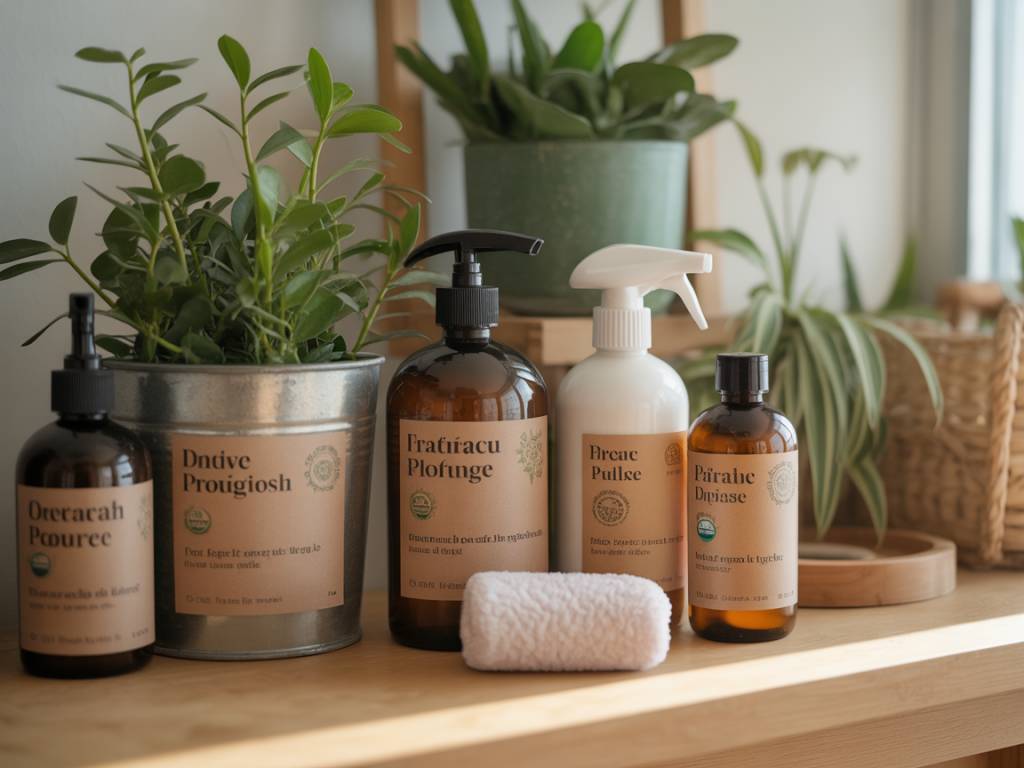
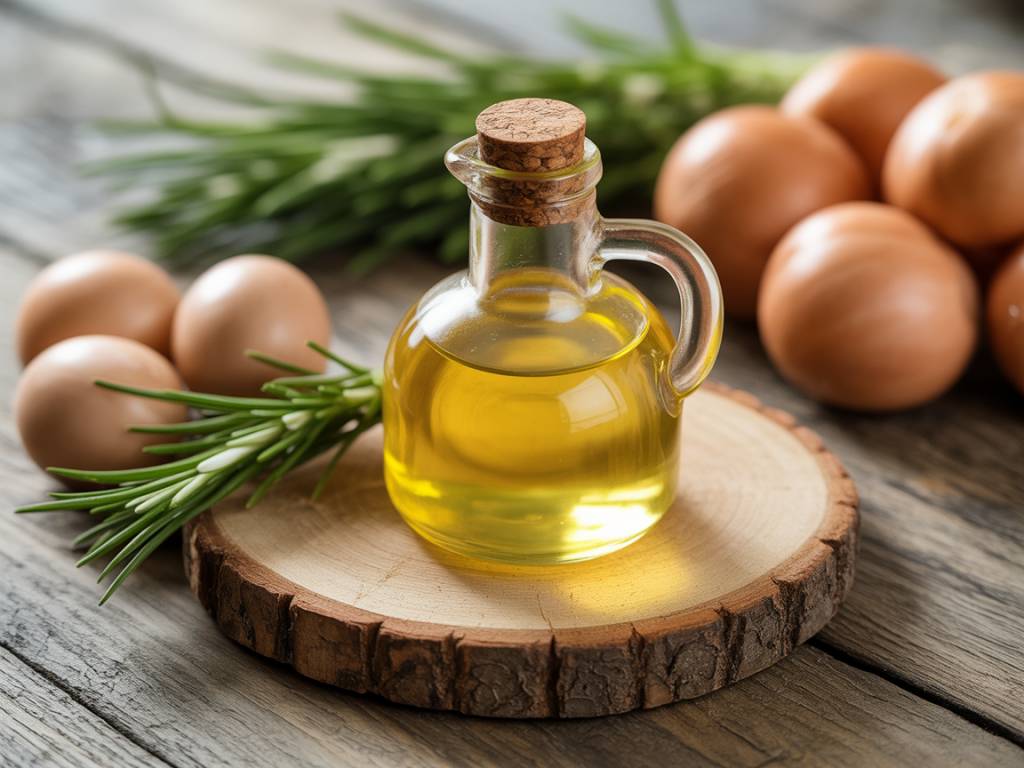
Open your kitchen cupboards or your bathroom shelf and you’ll probably find at least one bottle of oil. Olive for salads, sunflower for frying, maybe coconut for your hair… But are you really getting the best out of them? And are you using them safely, both in your pan and on your skin?
Today, I want to dive into the most useful organic vegetable oils you can keep on hand, how to choose them wisely, and exactly how to use them in your everyday cooking and skincare – without turning your dinner bitter or your face into a breakout experiment.
Why go for organic vegetable oils?
When it comes to fats, quality matters more than quantity. Vegetable oils are extracted from seeds or fruits that are often heavily sprayed with pesticides (think rapeseed, sunflower, non-organic olives). Because oil is a concentrated product, any residues can be concentrated too.
Choosing organic, cold-pressed oils whenever possible makes sense for three main reasons:
- Fewer contaminants – Organic standards limit the use of synthetic pesticides and herbicides. For an ingredient you’ll eat daily or apply on your skin, that’s a big win.
- Gentler extraction – Cold-pressed or “extra-virgin” oils are extracted without high heat or chemical solvents, which better preserves nutrients and flavour.
- Better for the planet – Organic farming supports healthier soils, more biodiversity and fewer pollutants in waterways.
On labels, look for “organic”, the EU organic leaf, Soil Association, Ecocert, or similar certifications. For skincare, combine this with “unrefined” or “virgin” to avoid over-processed oils stripped of their natural benefits.
The essential organic oils for your kitchen
Let’s start with the oils that deserve a permanent spot near your stove and salad bowl. I’ll keep it practical: what to use them for, what to avoid, and how to store them.
Extra-virgin olive oil: the everyday hero
If you only buy one high-quality organic oil, make it this one.
- Best uses: Salad dressings, finishing over soups and roasted veg, gentle sautéing at low to medium heat.
- Why it’s great: Rich in monounsaturated fats and polyphenols, extra-virgin olive oil has been widely studied for heart health and anti-inflammatory effects.
- What to avoid: High-heat frying. Once it smokes, you lose flavour and form potentially harmful compounds.
How to use in the kitchen: Whisk with lemon juice, mustard and a pinch of salt for a 30-second vinaigrette. Drizzle liberally over cooked lentils, grilled fish or even on top of hummus just before serving.
Safe-use tip: Keep it in a dark glass bottle, away from the stove. Heat, light and oxygen quickly degrade its antioxidants and flavour.
Organic coconut oil: stable for heat (used wisely)
Coconut oil divides opinion in nutrition circles, but it has two undeniable strengths: stability at high heat and a naturally long shelf life.
- Best uses: Stir-fries, curries, baking (to replace butter), popping popcorn.
- Why it’s great: High in saturated fats, so it’s very resistant to oxidation when heated.
- What to avoid: Using it as your only cooking fat all day, every day. Variety is your friend.
How to use in the kitchen: Try replacing half the butter in a cookie recipe with coconut oil for a subtle coconut aroma. Or use a teaspoon to sauté spices when starting a curry.
Safe-use tip: Because of its saturated fat content, treat coconut oil as an occasional ally rather than your exclusive fat source. For heart health, balance it with olive and rapeseed (canola) oils.
Rapeseed (canola) oil: the quiet multitasker
Organic cold-pressed rapeseed oil doesn’t get the same spotlight as olive oil, but it deserves it.
- Best uses: Everyday cooking at medium heat, homemade mayonnaise, light sautéing, oven roasting.
- Why it’s great: A good balance of monounsaturated fats and omega-3, with a relatively high smoke point when refined.
- What to avoid: High-heat frying with cold-pressed versions; for that, use a refined organic version or another stable oil.
How to use in the kitchen: For a neutral-tasting mayo: whisk an egg yolk, a teaspoon of mustard, then slowly drizzle in rapeseed oil while whisking until thickened. Season with lemon juice and salt.
Safe-use tip: Store it in a cool cupboard and buy smaller bottles. Its omega-3 content makes it more prone to oxidation than olive oil once open.
Sunflower and high-oleic sunflower oil: choose the right one
“Sunflower oil” can mean two very different things nutritionally:
- Standard sunflower oil – High in omega-6, which we already get plenty of from processed foods.
- High-oleic sunflower oil – Bred to be richer in monounsaturated fats (similar to olive oil), more stable for cooking.
For your kitchen, choose organic high-oleic sunflower oil for high-heat cooking when you don’t want a pronounced flavour.
- Best uses: Oven roasting, pan-frying, homemade crisps in moderation.
- What to avoid: Using standard sunflower oil as your default oil – it can easily tip your omega-6 intake too high.
Safe-use tip: For deep frying (which should stay occasional), don’t reuse the oil more than once, and always discard it if it smells “heavy” or fishy or has darkened considerably.
Sesame oil: flavour bomb, not frying workhorse
Think of organic toasted sesame oil as a seasoning, like soy sauce or vinegar, not a general cooking oil.
- Best uses: Finishing stir-fries, seasoning noodles, marinades, salad dressings.
- Why it’s great: Intense flavour; a small splash transforms a dish.
- What to avoid: High-heat cooking. Toasted sesame oil burns easily and turns bitter.
How to use in the kitchen: Add ½ teaspoon at the very end of a vegetable stir-fry, or whisk it into a dressing with rice vinegar and tamari for an Asian-inspired slaw.
Allergy alert: Sesame is a common allergen. If you’re cooking for guests, always mention its presence.
Flaxseed (linseed) oil: keep it cold and in the fridge
Flaxseed oil is one of the richest plant sources of alpha-linolenic acid (ALA), a type of omega-3. It’s also one of the most fragile oils.
- Best uses: Drizzled over cold dishes, smoothies, yoghurt, or added to dips once off the heat.
- What to avoid: Any kind of heating. It oxidises quickly, losing its benefits and developing off-flavours.
How to use in the kitchen: Add one teaspoon to a morning smoothie, or mix with yoghurt and herbs as a drizzle for baked potatoes (after baking, not before!).
Safe-use tip: Always keep flaxseed oil in the fridge, tightly closed, and buy small bottles. If it smells like paint or is bitter, it’s rancid – don’t use it.
Avocado oil: high-heat and salad friendly
Organic avocado oil is a good all-rounder with a mild, buttery taste.
- Best uses: Grilling, roasting, pan-searing fish or vegetables, salad dressings.
- Why it’s great: Mostly monounsaturated fats, plus a relatively high smoke point when refined.
How to use in the kitchen: Brush vegetables with avocado oil before grilling, or use it in a simple dressing with lime juice, coriander and a pinch of salt for a quick avocado-friendly marinade.
Sustainability note: Avocado production can be water-intensive. If you use this oil regularly, favour certified organic and, when possible, brands that communicate about responsible sourcing.
From kitchen to bathroom: which organic oils are skin-safe?
Now, let’s walk from the stove to the bathroom. Many organic oils you cook with can do double duty on your skin and hair – but not all, and not for everyone.
Here are the most useful oils for simple, low-waste skincare, plus how to apply them safely.
Olive oil on skin: yes, but test first
Extra-virgin olive oil can be lovely on very dry or mature skin, but it’s heavy and doesn’t suit everyone.
- Good for: Very dry body skin, rough elbows, feet, occasional makeup removal.
- Less ideal for: Acne-prone or very sensitive facial skin; it can feel occlusive and sometimes irritating.
How to use in the bathroom:
- As a body oil: Apply a small amount to damp skin after showering, then pat dry.
- As makeup remover: Massage a teaspoon onto dry skin, then remove with a warm, damp cloth and follow with your usual cleanser.
Safe-use tip: Avoid using olive oil as your only facial moisturiser if you’re prone to breakouts. Patch-test on a small area first.
Organic coconut oil: great for hair, careful on face
This is probably the most “bathroom-famous” kitchen oil.
- Good for: Hair masks, body moisturiser, shaving oil.
- Less ideal for: Oily or acne-prone facial skin; coconut oil is comedogenic for many people.
How to use in the bathroom:
- As a hair mask: Warm 1–2 teaspoons between your hands, apply to lengths and ends (avoid roots if your scalp gets oily), leave 20–30 minutes, then shampoo twice.
- As a shaving oil: Massage a thin layer on damp skin before shaving; rinse your razor under hot water regularly to prevent clogging.
Safe-use tip: Don’t store coconut oil in the shower where it will constantly warm and cool. Keep it in a closed jar in a cupboard to avoid contamination and repeated melting/refreezing cycles.
Sweet almond oil: gentle all-rounder
Organic sweet almond oil is a classic in baby care for good reason: it’s generally well tolerated and light-textured.
- Good for: Body massage, dry hands, mild makeup removal, baby massage (after paediatrician approval).
- Less ideal for: People with nut allergies; always check this first.
How to use in the bathroom:
- Hand repair: At night, massage a few drops into your hands and cuticles, then slip on cotton gloves.
- Gentle eye makeup removal: Apply one drop on a damp cotton pad, press gently over closed eyelids, then wipe away.
Allergy alert: If you have a nut allergy (or you’re not sure), avoid almond oil entirely or speak to your doctor before using it.
Jojoba oil: technically a wax, practically ideal
Jojoba “oil” is actually a liquid wax, structurally close to the skin’s natural sebum. It’s one of the safest bets for facial use.
- Good for: Face oil, mixed or slightly oily skin, scalp massages.
- Why it’s great: Very stable (doesn’t go rancid easily) and well tolerated by most skin types.
How to use in the bathroom:
- Simple face oil: On clean, slightly damp skin, press 2–3 drops of jojoba oil into your face and neck.
- Scalp massage: Work a small amount into your scalp once a week, leave 20 minutes, then shampoo.
Safe-use tip: Even with “safe” oils, patch-test: apply a little behind your ear or on the inside of your wrist for a couple of days and watch for reactions.
Grapeseed and sunflower oils: light and budget-friendly
These two organic oils can double up nicely from kitchen to bathroom, especially if you prefer very lightweight textures.
- Grapeseed oil: Very light, absorbs quickly. Popular for massage and as a base oil in DIY blends.
- High-oleic sunflower oil: Gentle and fairly neutral-smelling, good for body oils and makeup removal.
How to use in the bathroom: Blend 50% grapeseed and 50% sunflower as a simple, light body oil. Add a few drops of vitamin E oil (or prick open a vitamin E capsule) to help extend the shelf life.
Safety basics: using oils wisely for health and skin
Whether you’re cooking or cleansing your face, a few simple rules will help you get the benefits of organic oils without the downsides.
Avoid overheating your oils
Each oil has a smoke point: the temperature at which it starts smoking and breaking down.
- Once an oil smokes, lower the heat or start again.
- Use olive, cold-pressed rapeseed, avocado for medium heat, and high-oleic sunflower or refined avocado for higher heat.
- Keep flaxseed and toasted sesame away from the pan entirely.
As a home cook, you don’t need to memorise exact temperatures – just watch and smell your pan. If the oil turns very dark or smells acrid, it’s gone too far.
Protect your oils from light, heat and air
The same oxidation that makes an oil go rancid affects its taste, nutrition and safety.
- Choose dark glass bottles when possible.
- Keep oils away from the oven or stove; a cool cupboard is ideal.
- Store fragile oils like flaxseed and some nut oils in the fridge.
- Buy smaller bottles if you don’t cook a lot; fresher is better than “bulk but stale”.
If an oil smells like crayons, paint or just “off”, don’t cook with it and don’t put it on your skin.
Know your skin type and start simple
Natural doesn’t automatically mean harmless. Some skins adore coconut; others react instantly. To keep things safe:
- Test one oil at a time for a week before adding another.
- Patch-test on a small area (wrist or behind the ear) for 48 hours before applying to your face.
- If you have acne-prone skin, start with jojoba or grapeseed rather than coconut or olive.
- Stop using any oil that causes burning, redness or increased breakouts.
And if you have a skin condition (eczema, psoriasis, rosacea), speak with your dermatologist before changing your routine, even if it’s “just” a kitchen oil.
Three easy, low-waste oil routines to try
To help you actually put these oils to work, here are three simple routines you can start this week, using oils you may already own.
1. Weeknight salad system
- Keep a bottle of organic olive oil and a bottle of organic rapeseed or avocado oil near your chopping board.
- For a quick dressing: 3 tbsp olive oil + 1 tbsp rapeseed + 1 tbsp vinegar or lemon + salt + pepper. Shake in a jar – done.
- Change the personality by adding: mustard, herbs, garlic, or a splash of toasted sesame oil.
2. Sunday evening hair and scalp ritual
- Warm 1–2 teaspoons of organic coconut oil or a mix of coconut and jojoba between your hands.
- Apply to hair lengths and gently to the scalp if it’s dry.
- Leave for 20–30 minutes while you prep dinner or read, then shampoo twice.
- Do this once a week, not daily, to avoid build-up.
3. One-bottle body care
- Choose one gentle oil: sweet almond, grapeseed or high-oleic sunflower.
- After showering, on damp skin, massage a small amount over your body instead of body lotion.
- Once or twice a week, use the same oil for a hands-and-feet massage before bed.
Quick reference: which oil for what?
| Oil | Best in kitchen | Best in bathroom | Key caution |
|---|---|---|---|
| Extra-virgin olive | Dressings, low/medium heat cooking | Very dry body skin, makeup removal | May be too heavy for acne-prone faces |
| Coconut | Curry, baking, medium/high heat | Hair masks, body oil, shaving | Comedogenic for some; use sparingly on face |
| Rapeseed (canola) | Everyday cooking, mayo, roasting | Occasional body oil | Buy cold-pressed organic; store cool |
| High-oleic sunflower | High-heat cooking, roasting | Light body oil, makeup removal | Don’t confuse with standard sunflower |
| Flaxseed | Cold dishes only, smoothies | Not ideal (goes rancid quickly) | Always keep in fridge; never heat |
| Avocado | Grilling, roasting, salads | Occasional face/body oil | Check sourcing; can be resource-intensive |
| Sweet almond | Occasional low-heat use or baking | Massage oil, dry skin, cuticles | Avoid with nut allergies |
| Jojoba | Not commonly used for cooking | Face oil, scalp care | As with all oils, patch-test first |
With a small, well-chosen selection of organic oils, you can season tonight’s dinner, nourish your skin and hair, and reduce the number of bottles you buy and throw away. Start with one or two changes – switching your everyday cooking oil, or replacing a body lotion with a simple organic oil – and build from there. Your pantry, your bathroom shelf and your skin will all be a little calmer for it.