


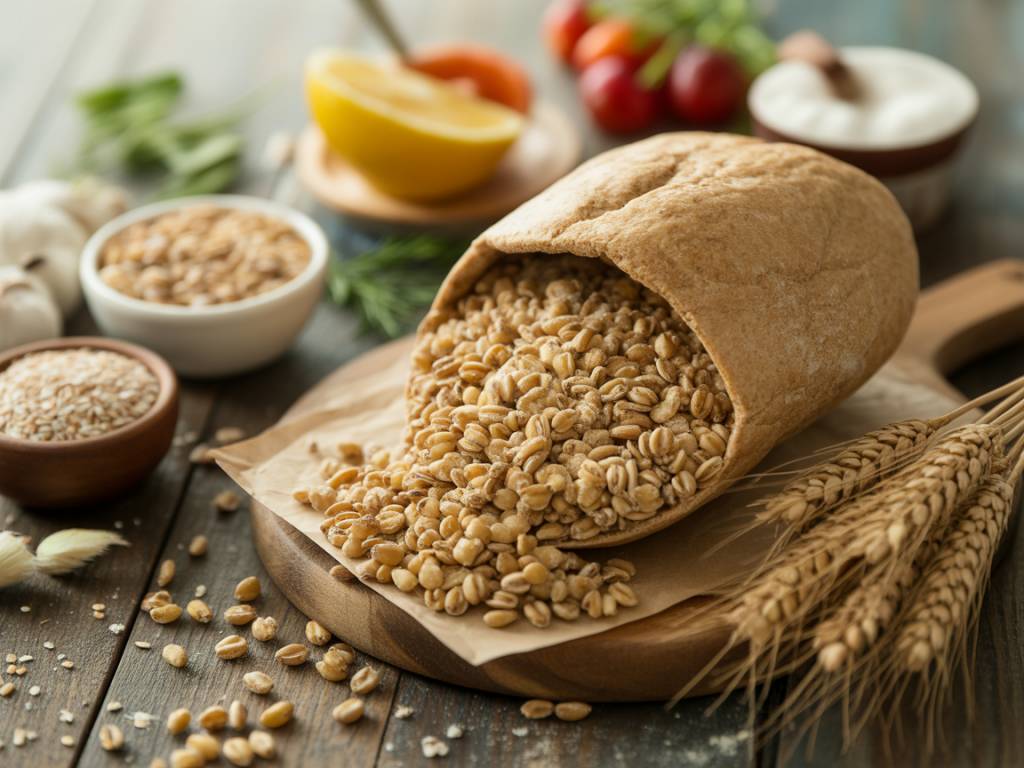
Whole grains are one of those ingredients that quietly do a lot of heavy lifting in your kitchen: they keep you full, stabilise your energy, feed your gut microbiota, and bring flavour and texture to everyday meals. When they’re organic and minimally processed, they become real allies for both health and the planet.
In this article, we’ll look at why organic whole grains are worth a place in your weekly routine, how to choose them in the shop, and above all how to cook them so you actually get the nutrients you’re paying for. No complicated techniques, just a few simple rules you can reuse with almost any grain.
What makes a grain “whole” – and why that matters
A grain of wheat, oat or rice isn’t just a starch ball. It’s built like a tiny storage box:
- Bran – the outer layer, rich in fibre, B vitamins and minerals
- Germ – the nutrient-dense “embryo” with essential fats, vitamin E, antioxidants
- Endosperm – mostly starch with some protein
In refined grains (white rice, white flour), the bran and germ are removed to improve shelf life and texture. The issue? You lose a large part of the vitamins, minerals, fibre and healthy fats.
Whole grains keep all three parts. That’s why, gram for gram, they’re more interesting nutritionally and more satisfying. You tend to eat less for the same fullness, and your blood sugar rises more gently.
Why choose organic whole grains specifically?
Whole grains retain the outer bran layer – the part that’s most exposed to pesticides and other agricultural treatments. If you’re going to eat that layer (and you should, it’s where a lot of nutrition is), it makes sense to invest in organic.
- Lower pesticide exposure
Because the bran is intact, conventionally grown whole grains can carry higher residues than their white counterparts. Organic farming standards restrict synthetic pesticides and fertilisers, which helps limit what ends up on your plate. - Healthier soil, better nutrient profile
Organically managed soils tend to be richer in organic matter and microbial life. Several studies suggest that grains grown in healthier soils can contain slightly higher levels of certain minerals and antioxidants. The differences are not magical, but they add up when these grains are part of your daily diet. - No synthetic additives in processing
Certified organic grains and flours are produced without synthetic bleaching agents, preservatives or “improvers”. You get the grain, not a lab formula. - Support for more diverse, resilient farming
Many organic farmers favour heritage or less standardised varieties of wheat, oats or rye that are more resilient and often more aromatic. Buying organic whole grains supports that biodiversity.
If you regularly eat wholegrain bread, pasta, porridge or brown rice, switching these staples to organic is one of the most impact‑efficient changes you can make.
Key health benefits of organic whole grains
Let’s keep this practical. Here’s what adding 1–2 portions of organic whole grains per day can do for you.
- Steadier energy and better satiety
The fibre in the bran slows digestion and the release of glucose into your bloodstream. This means fewer energy crashes two hours after lunch, and less “what’s in the cupboard?” snacking in the late afternoon. - Better digestive health
Whole grains provide both soluble and insoluble fibre. Soluble fibre helps feed beneficial gut bacteria; insoluble fibre helps move everything along and prevents constipation. If your plate is often light on vegetables, whole grains can help close that fibre gap. - Cardiovascular support
Regular consumption of whole grains is associated with lower LDL (“bad”) cholesterol and a reduced risk of heart disease. Oats and barley, in particular, contain beta‑glucans, a type of soluble fibre with well-documented cholesterol-lowering effects. - Micronutrient “delivery system”
Whole grains are rich in B vitamins (important for energy metabolism and the nervous system), magnesium (for muscles and stress regulation), iron, zinc and antioxidants such as vitamin E. You don’t need to memorise them; think of whole grains as a compact way to improve the “nutrient density” of your meals. - Weight management helper
Because they’re more filling and slower to digest than refined grains, whole grains help regulate appetite. You get more volume and nutrition for similar calories, which naturally reduces the temptation to overeat.
Of course, grains are just one part of the puzzle. Combine them with vegetables, legumes and good fats and you have a simple, robust foundation for everyday meals.
How to read labels and choose good organic whole grains
In the shop, “whole grain” can hide behind a few different terms. Here’s what to look for so you don’t pay more for clever marketing than real nutrition.
- Check the first ingredient
On breads, crackers or cereals, you want to see “whole wheat flour”, “whole oat flakes”, “whole rye flour” listed first. If you see “wheat flour” without “whole”, you’re dealing with a refined base. - Look for the organic certification
In the UK and EU, this is the green leaf logo (EU organic) plus possibly Soil Association or another national label. On imported grains, look for trustworthy equivalents (USDA Organic, etc.). - Avoid ultra-sweet “wholegrain” products
Many breakfast cereals use a small amount of wholegrain and a lot of sugar. Even organic ones. Check the sugar content per 100 g: ideally under 10 g, and be wary above 15 g. - Prefer simple, short ingredient lists
A bag of brown rice should list… brown rice. Oat porridge should list whole rolled oats, maybe a pinch of salt. The more extras (syrups, flavourings, additives), the further you move away from the benefits of the raw grain.
For pantry staples, it’s often cheaper to buy grains plain (rice, oats, barley, buckwheat) and “upgrade” them yourself at home with spices, herbs and vegetables.
Meet the main organic whole grains (and what to do with them)
If you’re used to white rice and pasta, the grain aisle can look a bit mysterious. Here are some common organic whole grains, what they taste like, and easy ways to use them.
- Oats – mild, slightly sweet. Ideal in porridge, overnight oats, muesli, granola, baking (cookies, crumbles), or mixed into burgers and veggie patties for texture.
- Brown rice (short or long grain) – nutty flavour. Works in grain bowls, stir-fries, salads, stuffed vegetables, or as a base for curries and stews.
- Quinoa (technically a seed, often grouped with grains) – light, slightly grassy, becomes fluffy when cooked. Great in salads, pilafs, soups, and as a protein-rich side dish.
- Barley (pearled or hulled) – chewy, slightly sweet, very comforting. Adds body to soups, stews and risottos; makes a sturdy base for roasted vegetables.
- Rye and spelt (as berries or flour) – deeper flavour, slightly tangy or nutty. Excellent in bread, but the whole berries can also be simmered like rice for salads and warm bowls.
- Buckwheat – earthy, almost floral. Cooked groats work well in salads and as a side dish; buckwheat flour shines in pancakes, galettes and waffles.
Pick one or two to start with, then rotate. Variety is good for your microbiome and makes weeknight cooking less repetitive.
The 3 keys to cooking whole grains for optimal nutrition
Nutritionally, your goal is to keep as many vitamins, minerals and beneficial compounds as possible, while making the grain digestible and tasty. Three simple habits help with that.
Key 1 – Rinse (and sometimes soak) your grains
Rinsing removes dust, potential residues and, in the case of quinoa, saponins that can taste bitter. Place your grains in a fine-mesh sieve and rinse under cold water until the water runs clearer.
Soaking is optional but very useful:
- It shortens cooking time.
- It can improve digestibility for some people.
- It may reduce the content of phytic acid (a natural compound in the bran that can bind some minerals and reduce their absorption).
How to do it in practice:
- For brown rice, barley, spelt: soak 8–12 hours in plenty of water with a pinch of salt, then rinse and cook.
- For oats (porridge): soaking overnight in milk or water (classic “overnight oats”) makes them creamier and gentler on sensitive stomachs.
- For quinoa and buckwheat: a short 15–30 minute soak, then rinse well, is enough.
If you don’t have time to soak, don’t skip the recipe; just increase the cooking time a little. Soaking is a bonus, not a barrier.
Key 2 – Use the right water ratio and gentle heat
Cooking too hot with too much water can turn grains to mush and leach more nutrients into the water. The idea is to use just enough liquid so that by the end of cooking, the grain has absorbed almost all of it.
As a starting point:
- Brown rice: about 2–2.25 cups water for 1 cup rice
- Quinoa: about 2 cups water for 1 cup quinoa
- Barley (pearled): about 3 cups water for 1 cup barley
- Oats (rolled): about 2.5–3 cups liquid for 1 cup oats (depending on how creamy you like it)
Basic method (works for most grains):
- Add rinsed (and soaked, if using) grains and water to a saucepan with a pinch of salt.
- Bring just to a boil, then immediately reduce to a low simmer.
- Cover with a lid and cook gently until the water is absorbed and the grains are tender.
- Turn off the heat and let sit, covered, 5–10 minutes. This “rest” lets the grain finish steaming and improves texture.
- Fluff with a fork before serving.
This gentle method helps preserve water-soluble vitamins (some B vitamins) and keeps the structure of the grain intact, which is better for digestion and satiety.
Key 3 – Add fats and acids at the right moment
Healthy fats (olive oil, nuts, seeds) and acidic elements (lemon juice, vinegar, fermented vegetables) do two things for you:
- They improve flavour and mouthfeel, making whole grains more enjoyable.
- They can slow gastric emptying and modulate blood sugar response (especially when compared to eating grains plain).
Practical tips:
- Stir in a spoonful of extra virgin olive oil or a knob of organic butter at the end of cooking your brown rice or barley.
- Dress cooked and cooled grains with a simple vinaigrette to create a salad – the acid and resting time also make them more digestible.
- Add seeds (sunflower, pumpkin, chia) or nut butter to your porridge for longer-lasting energy.
This is also where herbs and spices come in: turmeric, cumin, smoked paprika, garlic, fresh herbs – they don’t just make things tastier, they bring their own antioxidants to the table.
Three simple, everyday ways to eat more organic whole grains
Transforming your habits is easier when you attach new behaviours to routines you already have. Here are three easy entry points.
- Upgrade your breakfast
If you usually reach for white toast or sweet cereal, try:
– Organic oat porridge topped with seasonal fruit, a drizzle of nut butter and a sprinkle of seeds.
– Overnight oats: oats + milk (or plant drink) + a bit of yoghurt + fruit, prepared in 5 minutes the night before.
– Wholegrain toast (organic rye or spelt bread) with tahini and sliced banana. - Switch your usual side
Instead of white rice or plain pasta, alternate with:
– Brown rice with olive oil and herbs alongside your usual stir-fry or curry.
– A mix of quinoa and lentils as a base for roasted vegetables.
– Barley or buckwheat as a “grain risotto” with mushrooms and parmesan. - Batch cook once, eat three times
Once or twice a week, cook a big pot of one or two grains (for example, 2 cups of brown rice and 2 cups of quinoa). Store them in the fridge for 3–4 days in airtight containers.
Then, quickly assemble meals:
– Grain bowl: grain + raw and cooked vegetables + protein (beans, eggs, leftover chicken) + simple sauce.
– Salad in a jar: grain + chopped veg + legumes + vinaigrette.
– Soup booster: add a handful of cooked grains to a vegetable soup just before serving.
With this approach, cooking whole grains stops being a chore and becomes the base of a small weekly system that saves you time and mental load.
How to store organic whole grains and avoid waste
Because whole grains contain the germ (with its oils), they can go rancid faster than refined grains, especially once milled into flour. A few simple habits extend their life and protect their flavour.
- Buy reasonable quantities
For grains: what you’ll use in 1–3 months.
For wholegrain flours: ideally what you’ll use in 4–6 weeks, especially in warm weather. - Use airtight, opaque containers
Transfer grains and flours into jars or tins with tight-fitting lids to protect from humidity, insects and odours. Keep them in a cool, dark cupboard. - Refrigerate or freeze wholegrain flours
If you bake occasionally, store organic whole wheat, rye or spelt flour in the fridge or freezer. Take out only what you need; they thaw quickly and bake just as well. - Label with dates
A small piece of tape with the purchase or opening date helps you rotate your stock and avoid forgotten bags at the back of the cupboard.
If a grain or flour smells “off”, paint-like or very bitter, it’s likely rancid. Trust your nose and don’t try to rescue it in a recipe.
Putting it all together in a busy week
To make all of this usable, here is a simple template you can adapt to your own life.
- Once a week
– Choose 2 organic whole grains for the week (for example: oats and brown rice, or quinoa and barley).
– Cook a big batch of the grain that takes longest (often brown rice or barley).
– Soak oats overnight in the fridge for the next 2–3 breakfasts. - During the week
– Use cooked grains as the base of at least one meal per day (salad at lunch, warm bowl at dinner).
– Play with toppings so you don’t get bored: different vegetables, sauces, herbs, nuts. - Before the next shopping trip
– Check what’s left of your grains and flours.
– Plan one “clean the cupboard” meal: a mixed grain salad or soup that uses up ends of packets.
By repeating this cycle a few times, whole grains stop being “good intentions” and quietly become a structural part of how you eat: affordable, filling, and genuinely supportive of both health and environment.