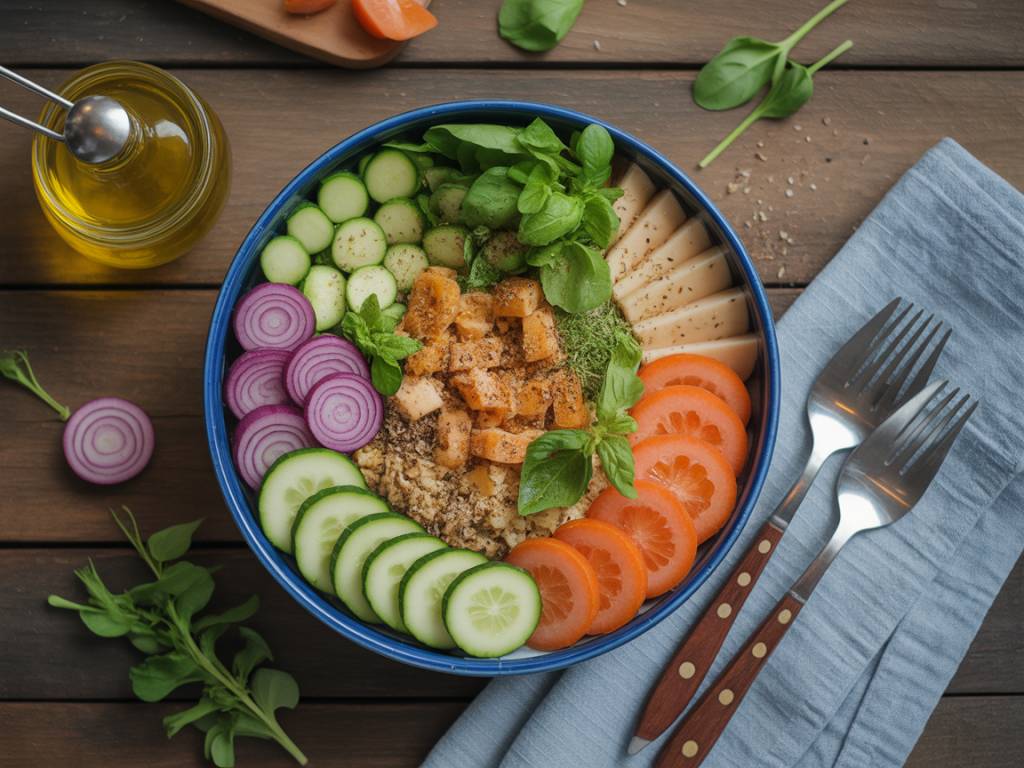
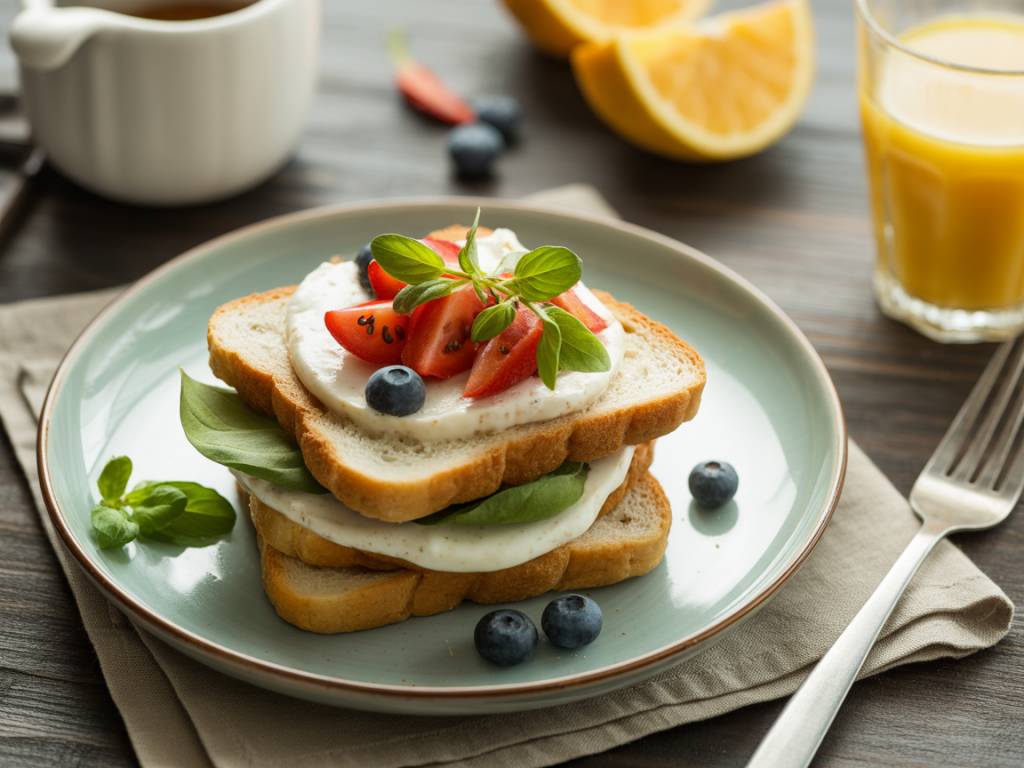
If you wake up craving something other than porridge, granola or jam on toast, you’re not alone. Many of us default to sweet in the morning because it’s easy, familiar and everywhere. But there’s a whole world of savoury breakfasts that can keep you satisfied for longer, stabilise your energy and sneak in an extra portion (or two) of veg before 10 a.m.
In this guide, I’ll walk you through simple savoury breakfast ideas that fit into a busy weekday routine, with plenty of make-ahead options. We’ll also look at why savoury tends to be more filling than sugary options, what to look for when you buy ingredients (especially if you prefer organic), and how to build your own “savory breakfast formula” without overthinking it.
Why savoury breakfasts keep you full for longer
Most classic sweet breakfasts (cereal, white toast with jam, pastries, sweetened yogurt) are heavy on fast carbohydrates and light on protein and fats. They give you a quick energy peak… then a mid-morning crash.
Savoury breakfasts, à l’inverse, ont généralement :
- Plus de protéines (œufs, yaourt grec nature, fromage, légumineuses)
- Des bons gras (avocat, huile d’olive, noix, graines)
- Plus de fibres (légumes, pain complet, flocons d’avoine, graines de chia ou de lin)
This trio – proteins, healthy fats and fibre – slows digestion and helps regulate blood sugar. Result: you stay full longer, you snack less, and your energy is more stable through the morning.
If you usually feel hungry again at 10:30 a.m. after a sweet breakfast, a simple change like adding eggs, vegetables or beans can make a noticeable difference.
How to transition from sweet to savoury (without feeling deprived)
Going from chocolate granola to a plate of lentils at 7 a.m. can feel a bit… abrupt. Instead of forcing a radical switch, you can transition gradually with “in-between” ideas:
- Start with a savoury topping: swap jam for hummus or avocado on your toast, or try nut butter + a pinch of salt and olive oil instead of honey.
- Make your porridge savoury: cook oats in water or veggie stock, mix in grated cheese, pepper and olive oil, top with a fried egg.
- Use your usual base, change the flavour: instead of fruit yogurt, go for plain Greek yogurt with cucumber, olive oil, salt and herbs.
- Cut the sugar in half: if you love sweet, keep a small portion (a few berries, a drizzle of honey) but anchor the plate with savoury protein and fats.
The goal is not to ban sweetness forever, but to diversify. Think: “How can I add something savoury and satisfying to this plate?” rather than “What do I need to remove?”
The savoury breakfast formula (that works with whatever you have)
To avoid overcomplicating your mornings, use a simple formula. Build your breakfast around:
- 1 protein source: eggs, plain yogurt, tofu, leftover lentils, hummus, cheese
- 1 fibre-rich base: wholegrain bread, oats, cooked grains (quinoa, brown rice), potatoes
- 1–2 vegetables: fresh, cooked or leftover from dinner
- 1 healthy fat: olive oil, avocado, nuts, seeds
From there, you can improvise with what’s in your fridge. A couple of concrete examples:
- Green toast: wholegrain bread + hummus + sliced tomatoes + olive oil + seeds
- Quick bowl: leftover brown rice + sautéed spinach + fried egg + drizzle of tahini
- Nordic plate: rye bread + smoked fish + cucumber + plain yogurt with dill
Once you get used to this structure, you’ll see that almost any “leftover” can become breakfast.
Egg-based savoury breakfasts (beyond the classic omelette)
Eggs are the ultimate quick protein: organic or free-range eggs cook in minutes, keep well in the fridge, and adapt to many flavours. A few ideas to break the routine:
Veggie-packed egg muffins
Perfect for meal prep and busy mornings.
Base ingredients (organic where possible):
- 6 eggs
- 1 small onion, finely chopped
- 1 handful of chopped spinach or kale
- 1 small pepper, diced
- A bit of cheese (feta, cheddar or goat cheese)
- Olive oil, salt, pepper, herbs
Method:
- Preheat the oven to 180°C.
- Lightly oil a muffin tin.
- Beat the eggs with salt, pepper and herbs.
- Divide the vegetables and cheese between the moulds.
- Pour in the eggs to cover.
- Bake for 15–20 minutes until set.
Keep them in the fridge for up to 4 days. In the morning, reheat 1–2 muffins in a pan or microwave and pair with a slice of wholegrain toast and some tomatoes or rocket.
5-minute savoury scrambled oats
If you love oats but want something more sustaining than sweet porridge, this is a good bridge option.
You’ll need:
- 3 tablespoons rolled oats
- 2 eggs
- 2 tablespoons milk (or plant drink)
- Salt, pepper, herbs
- 1 handful of prepped veg (frozen peas, leftover roasted veg, spinach, etc.)
In a bowl: mix oats, eggs, milk, salt, pepper and herbs. Pour into a hot, lightly oiled pan, add the veg, and scramble as you would eggs. In 3–4 minutes, you have a creamy, protein-rich breakfast that feels familiar but isn’t sweet.
Toast, tartines and open sandwiches with a savoury twist
Toast is often synonymous with jam, but with a few tweaks it becomes a nourishing savoury base. Choose a dense wholegrain or sourdough bread, ideally organic, for more fibre and flavour. A few combinations that work well:
- Mediterranean toast: hummus + sliced cherry tomatoes + olive oil + za’atar or oregano
- Avocado & bean mash: mashed avocado + white beans or chickpeas + lemon + salt + chilli flakes
- Cottage cheese & veg: cottage cheese or ricotta + cucumber + radishes + chives + a drizzle of oil
- Savory nut butter toast: peanut or almond butter + thinly sliced cucumber + salt + olive oil (trust me on this one)
From a sustainable perspective, these tartines are a great way to finish small bits of vegetables or herbs: half a tomato, a piece of cucumber, a leftover roasted carrot… everything can land on toast.
Legume-based breakfasts for lasting satiety
Beans, lentils and chickpeas are not just for dinner. In many cultures, they are standard breakfast foods – and they’re brilliant if you want to stay full well into lunchtime.
Why they’re interesting in the morning:
- They combine protein and fibre – perfect for stable energy.
- They’re affordable and store well – especially dried beans and lentils.
- Organic options are increasingly easy to find – look for EU organic or Soil Association, and if possible, origins closer to home (e.g. European chickpeas or British fava beans).
Fast savoury hummus bowl
For days when you need to eat in 5 minutes:
- 2 tablespoons hummus (homemade or shop-bought, ideally organic and with olive oil rather than refined seed oils)
- 1 slice of wholegrain bread or a small pita
- 1 handful of raw veg (carrots, peppers, cucumber) or leftover roasted veg
- A sprinkle of seeds (sunflower, sesame, pumpkin)
Spread the hummus on bread or use it as a dip, add the veg and seeds, and finish with a drizzle of olive oil. Very simple, very satisfying.
Warm beans on toast, upgraded
Instead of classic baked beans with added sugar, try this quick version:
- 1 small tin of white beans or cannellini beans (rinse if salted)
- 1 clove of garlic, chopped
- Olive oil
- 1 handful of spinach or kale (fresh or frozen)
- Salt, pepper, lemon juice
In a small pan, warm a good spoonful of olive oil, add garlic, then beans and greens. Cook 3–4 minutes, season generously and serve over toasted bread. If you’re using organic beans, check the label for just beans, water and salt – no added sugar.
Savory yogurt and grain bowls
Plain yogurt (or a thick plant-based alternative) is a fantastic base for savoury bowls, especially if you already enjoy it sweet. It’s also a great way to include fermented foods early in the day.
Choose your yogurt carefully:
- Organic when possible, which usually indicates better feed quality for the animals and fewer pesticide residues.
- Plain, unsweetened – you season it yourself with savoury toppings.
- Greek or strained for more protein and creaminess.
Herbed yogurt breakfast bowl
In a bowl, combine:
- 4–5 tablespoons plain yogurt
- 1 small grated cucumber or some halved cherry tomatoes
- A drizzle of olive oil
- Salt, pepper, lemon juice
- Herbs: dill, mint, parsley or chives
- A spoonful of cooked grains (quinoa, bulgur, leftover rice) or a piece of wholegrain bread alongside
Top with seeds or chopped nuts. The result tastes like a lighter, breakfast-appropriate version of tzatziki or labneh, and works very well on warm days.
Using leftovers for stress-free savoury breakfasts
One of the easiest ways to eat savoury in the morning is simply to open the fridge and reuse last night’s dinner in a different format. This is also excellent for reducing food waste.
Some ideas for “second life” breakfasts:
- Leftover roasted vegetables: reheat in a pan with an egg or fold into an omelette.
- Cooked grains (rice, quinoa, millet): make a quick “breakfast fried rice” with egg, frozen peas and soy sauce.
- Stews or curries: serve a small bowl with a piece of bread or a spoon of yogurt.
- Leftover potatoes: pan-fry with onion and top with a fried egg for a simple hash.
When you cook dinner, ask yourself: “Can I double this and keep a portion for tomorrow’s breakfast?” Often, cooking a bit more vegetables or grains costs almost no extra time.
Savoury breakfasts to take with you
If your mornings are spent commuting or running out the door, savoury still works – you just need portable formats.
- Jars and containers: savoury yogurt bowls, grain and veg salads with a boiled egg, lentil salad, mini frittatas.
- Wraps: wholegrain tortilla with hummus, grated carrot, lettuce and cheese, wrapped tightly.
- Hand pies: leftover veg and cheese wrapped in puff pastry or pie dough (homemade on weekends, frozen and reheated).
For food safety, keep dairy and eggs chilled and use a small insulated bag if you don’t have access to a fridge at work.
Choosing better ingredients: labels and simple benchmarks
You don’t need a gourmet pantry to eat savoury in the morning, but a few smart choices make a difference in taste, health and environmental impact.
Eggs:
- Prioritise organic and/or free-range labels (EU organic, Soil Association, etc.). They generally indicate better living conditions and feed quality.
- If budget is limited, use eggs strategically: one egg + beans or yogurt can be as satiating as two eggs alone.
Bread:
- Look for wholegrain, sourdough, or breads with visible seeds and grains.
- Check the ingredient list: flour, water, salt, yeast or sourdough starter is enough. Limit breads with added sugars, emulsifiers and long additives lists.
Vegetables:
- Organic when possible, especially for those often eaten with skin (peppers, cucumbers, apples if you include them).
- Frozen organic veg are a good, often cheaper, alternative – perfect for quick scrambles and bowls.
Legumes:
- Dried beans and lentils are the most economical and low-waste option, but tins are fine for convenience.
- Choose tins with minimal ingredients: legumes, water, maybe salt. Avoid added sugar or unnecessary flavourings.
Mornings that work for you, not against you
Building a savoury breakfast habit is less about mastering elaborate recipes and more about changing a few automatisms:
- Think “protein + veg first”, then add carbs around that.
- Cook a little extra at dinner with breakfast in mind.
- Keep 2–3 “pillars” on hand: eggs or tofu, a good bread or grain, a few vegetables (fresh or frozen), and a spread like hummus.
- Start with 1–2 savoury breakfasts per week, then adjust based on how you feel.
If you notice that you’re less hungry mid-morning, more focused, and less tempted by the office pastries, you’ll know you’re on the right track. From there, it’s just a matter of playing with combinations and using what you already have in your kitchen.
And if tomorrow morning you still feel like jam on toast? Add a slice of cheese or a spoon of plain yogurt with a pinch of salt on the side. Progress, not perfection – one savoury bite at a time.