
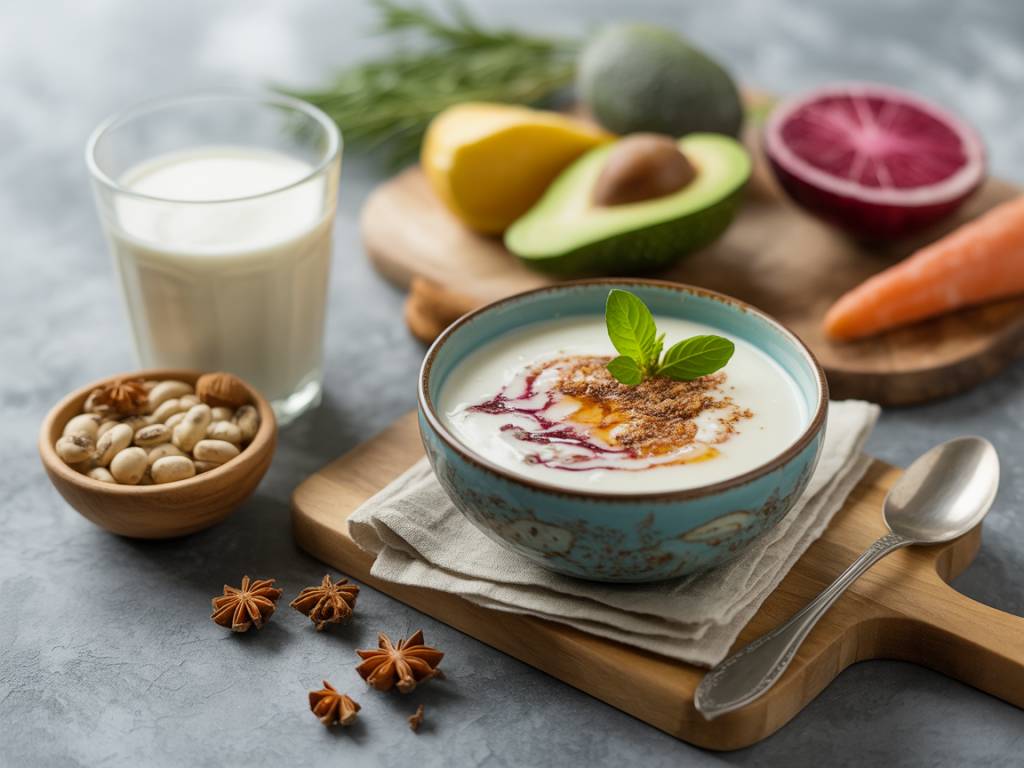
Rushed mornings, endless to‑do lists, brain fog by 11am… if that sounds familiar, your breakfast might be working against you instead of for you. The good news: a few carefully chosen organic “superfoods” can turn a basic breakfast into a steady-fuel meal that actually supports focus, mood and productivity for hours.
In this article, we’ll look at simple, realistic ways to upgrade what you already eat in the morning. No complicated recipes, no obscure powders you’ll buy once and forget at the back of the cupboard. Just real, organic foods you can find in most shops, and easy ways to combine them for energy that lasts.
What makes a food a “superfood” at breakfast?
“Superfood” isn’t a regulated term, so let’s be clear on what we mean here. For breakfast, a smart “superfood” is one that:
- Provides slow-release energy (complex carbs, fibre, healthy fats, protein).
- Supports brain function (omega‑3s, B vitamins, antioxidants, minerals).
- Is nutrient-dense in a small portion (ideal when you eat on the go).
- Is easy to integrate into what you already eat.
The organic version adds two important layers:
- Fewer pesticide residues, especially important for foods you eat every single morning like oats, fruit and seeds.
- Better farming practices (soil health, biodiversity, fewer synthetic inputs), which often means more resilient plants and, in some cases, slightly higher levels of certain antioxidants.
On EU/UK labels, look for the green leaf logo and wording like “organic”, “bio” or “AB” (in France). If it’s imported (chia, cacao, matcha…), this organic certification is one of your best tools to compare products quickly.
Organic oats: the slow-energy base
If there’s one breakfast ingredient I’d keep for stable energy, it’s organic oats. They’re cheap, easy to store, and incredibly versatile.
Why they help with energy and concentration:
- Rich in complex carbohydrates and soluble fibre (beta-glucans), which slow down the release of glucose into your bloodstream and help avoid the mid-morning crash.
- Contain B vitamins (especially B1 and B5) that play a role in energy metabolism and brain function.
- Provide some protein and minerals like magnesium and iron.
Why choose organic oats?
- Oats are often eaten daily and in relatively large portions; going organic helps reduce cumulative pesticide intake.
- Organic farms must follow stricter rules on crop rotation and soil management, which is key for grains like oats that can easily be grown in monoculture.
How to use them quickly:
- Overnight oats jar: In a jar, mix ½ cup organic oats, ½ cup plant milk or yogurt, 1 tbsp chia, a handful of berries. Refrigerate overnight. Grab and go.
- 5-minute pan porridge: ½ cup oats + 1 cup water or milk, a pinch of salt, 1 tsp cinnamon. Simmer 3–5 minutes, finish with nuts and fruit.
- Oat smoothie booster: Add 2–3 tbsp oats directly to your blender for a more satisfying smoothie.
Chia and flax seeds: tiny seeds, big focus
Chia and flax are breakfast superstars for one simple reason: they pack a lot of nutrition into a spoonful.
Benefits for energy and focus:
- Omega‑3 fatty acids (especially ALA) support brain function and help fight inflammation.
- Fibre slows digestion, helping keep blood sugar stable and hunger at bay.
- They also provide plant protein, magnesium and iron, all useful for concentration and stamina.
Why organic?
- Seeds are often imported and can be sprayed during storage; organic limits the use of these post-harvest treatments.
- For a product you might eat every single morning, minimising contaminants is worth the small price difference.
How to use them:
- Chia pudding base: 3 tbsp chia + 200 ml plant milk + ½ tsp vanilla. Refrigerate at least 2 hours. Top with fruit and nuts.
- Ground flax “sprinkle”: Buy whole organic flax seeds and grind a small jar at a time (coffee grinder). Sprinkle 1–2 tbsp over porridge, yogurt or toast.
- Egg replacement in pancakes: 1 tbsp ground flax + 3 tbsp water = 1 “flax egg” for fluffy, fibre-rich pancakes.
Tip: keep ground flax seeds in the fridge, well sealed. The fats are fragile and go rancid more quickly once ground.
Organic nuts and seeds: brain fuel you can chew
Walnuts, almonds, hazelnuts, pumpkin seeds, sunflower seeds… They all bring a slightly different nutrient profile, but they share a few powerful traits.
Why they’re great at breakfast:
- Healthy fats (monounsaturated and polyunsaturated) that support brain structure and hormone balance.
- Protein that keeps you satisfied and helps curb sugary-snack cravings mid-morning.
- Magnesium, zinc, vitamin E: all involved in nervous system function and protection against oxidative stress.
Why choose organic nuts and seeds?
- Nuts are often heavily treated (orchard pesticides, storage fumigation). Organic limits that, and often supports better agroforestry practices.
- You typically eat the whole nut/seed, skin included, which is where residues can accumulate.
Practical ways to add them:
- House mix: In a jar, combine organic walnuts, almonds, pumpkin seeds and sunflower seeds. Each morning, grab a small handful (about 30 g) for porridge, yogurt or to eat on the side with fruit.
- Nut butter toast: 1–2 tbsp organic almond or peanut butter on whole grain toast, topped with banana slices and cinnamon.
- Crunch topping: Chop nuts roughly and keep them in a small container on the breakfast table as a default topping for everything.
If your budget is tight, choose one organic nut or seed (e.g. sunflower seeds, often cheaper) and use it generously. Variety is great, but consistency matters more.
Organic berries: antioxidants for a clear head
Blueberries, raspberries, strawberries, blackberries… Berries are like edible insurance for your cells.
What they bring to the table:
- Antioxidants (anthocyanins, flavonoids) that help protect brain cells against oxidative stress.
- Vitamin C for immune support and iron absorption.
- Fibre with relatively low sugar compared to many other fruits.
Several observational studies associate higher berry consumption with slower cognitive decline and better memory in older adults. It’s not magic, but it’s a strong argument to keep a bag of berries in your freezer.
Why organic berries?
- Berries are often on the “high-residue” list because their thin skins absorb and retain pesticides easily.
- If you can only afford to buy a few things organic, berries are high on the priority list, especially for children.
Easy breakfast uses:
- Frozen berry compote: In a small saucepan, warm 1 cup frozen organic berries with a splash of water and a little honey if needed. Simmer 3–4 minutes. Spoon over porridge or yogurt.
- Smoothie base: ½ cup frozen berries + ½ banana + 1 tbsp oats + 1 tbsp chia + 200 ml plant milk. Blend. Done.
- Quick “jam” on toast: Mash a handful of thawed berries with a fork and spread directly on toast or nut butter.
Leafy greens in the morning: hear me out
Greens at breakfast might sound too “health blog”, but adding a handful of organic spinach or kale is one of the easiest ways to upgrade your morning nutrition without feeling like you’re eating salad at 7am.
Why they matter for brain and energy:
- Rich in folate and vitamin K, associated with cognitive health in several studies.
- Provide magnesium and iron, both common shortfalls that can contribute to fatigue.
- High in nitrates (especially in rocket), which may support blood flow, including to the brain.
Why organic greens?
- Leafy greens are heavily sprayed in conventional systems and eaten whole, leaf and all.
- Organic standards also restrict the use of certain synthetic fertilisers that can raise nitrate levels excessively in leaves.
How to make greens painless:
- Sneaky smoothie addition: Add a generous handful of spinach to your berry or banana smoothie. You’ll barely taste it.
- Eggs + greens: Sauté a handful of spinach, kale or rocket in olive oil, then add beaten eggs for a quick scramble or omelette.
- Savoury toast: Whole grain toast topped with hummus, a handful of rocket and a boiled egg.
To save time, keep a bag of frozen organic spinach in the freezer. You can toss it straight into the pan or blender—no washing or chopping needed.
Organic yogurt or kefir: gut and brain in sync
A stable mood and clear concentration also depend on your gut. Fermented dairy (or good quality plant alternatives) can help keep that axis happy.
Benefits at breakfast:
- Protein to keep you satiated and stabilise blood sugar.
- Probiotics (in live yogurt and kefir) that support a diverse gut microbiota, which in turn is linked with mood and cognitive function.
- Calcium and B vitamins, important for nerve transmission.
Why organic dairy?
- Organic standards require higher welfare, access to pasture and no routine use of antibiotics.
- Cows on pasture-based diets tend to produce milk with a slightly better omega‑3 to omega‑6 ratio.
How to choose and use:
- Look for plain, unsweetened organic yogurt or kefir. You control the sweetness with fruit or a drizzle of honey.
- A quick bowl: yogurt + oats or muesli + berries + nuts + a spoonful of ground flax.
- Use kefir as the liquid in a smoothie instead of juice or milk for a probiotic boost.
Vegan? Look for organic plant yogurts with live cultures and minimal additives, ideally based on soy, oats or almonds, and pair them with other protein sources (seeds, nut butter).
Matcha, green tea and raw cacao: gentle stimulants, sharper focus
If you rely on coffee to wake up but don’t love the jitters, these organic “super boosters” can offer a smoother kind of alertness.
Matcha & green tea:
- Contain caffeine for alertness, but also L‑theanine, an amino acid that promotes calm focus and may reduce anxiety.
- Rich in catechins, antioxidants that support cardiovascular and brain health.
Raw cacao (not the same as sugary chocolate powder):
- Provides a small amount of caffeine and theobromine, a gentler stimulant.
- Very high in magnesium and polyphenols, which support mood and blood flow to the brain.
Why organic here?
- Tea and cacao are typically imported crops that can carry pesticide residues and, in some cases, heavy metals or contaminants. Organic certification adds an extra layer of scrutiny.
- With matcha, you consume the whole powdered leaf, not just an infusion, so quality really matters.
Practical uses:
- Matcha latte: 1 tsp organic matcha whisked with a splash of hot (not boiling) water, then topped with warm plant milk.
- Chocolate porridge: 1 tbsp raw organic cacao stirred into cooked oats, topped with banana slices and peanut butter.
- Cacao smoothie: Banana + 1 tbsp cacao + 1 tbsp peanut butter + oats + milk of choice.
Putting it together: a template for a focused, organic breakfast
To keep things simple, you can think of your breakfast as a 4-part structure:
- Complex carb base: oats, whole grain bread, or unsweetened muesli.
- Protein: yogurt, kefir, eggs, nut butter, or a plant protein (tofu, tempeh, seeds).
- Healthy fats: nuts, seeds, avocado, good quality organic dairy.
- Micronutrient boost: berries, greens, spices, matcha, cacao.
Here are three “formulas” you can tweak depending on what you have at home.
1. Power porridge bowl
- Base: ½ cup organic oats cooked in water or milk.
- Add protein: 1–2 tbsp nut butter or a scoop of plain yogurt on top.
- Add fats and fibre: 1 tbsp chia or ground flax + a small handful of nuts.
- Add colour and antioxidants: a handful of organic berries (fresh or frozen) + a pinch of cinnamon.
2. Blender breakfast (for busy mornings)
- Base: ½ banana + ½ cup berries (fresh or frozen).
- Protein: 200 ml kefir or yogurt, or a plant alternative.
- Fats: 1 tbsp nut butter or 1 tbsp chia seeds.
- Carbs and extra fibre: 2–3 tbsp oats.
- Boosters: a handful of spinach + 1 tsp matcha or 1 tbsp cacao (optional).
Blend, pour into a bottle, done.
3. Savoury plate for long-lasting focus
- Base: 1–2 slices organic whole grain toast.
- Protein: 2 eggs (scrambled, boiled or poached) or hummus/tofu scramble.
- Greens: a handful of rocket or spinach plus cherry tomatoes.
- Fats: drizzle of olive oil or a few slices of avocado, plus a sprinkle of seeds.
- Optional: green tea or matcha on the side instead of sweetened juice.
Shopping and prep tips to make it realistic
None of this helps if you don’t have the right foods on hand when you’re half awake. A few habits make all the difference.
1. Stock a “breakfast box” or shelf
- Choose a box or shelf just for breakfast: oats, chia, flax, nuts, seeds, cacao, cinnamon, tea, matcha.
- Keep it at eye level so in the morning, the healthy options are the easiest ones.
2. Prioritise organic where it counts
If you can’t buy everything organic, focus on:
- Berries and other soft fruits.
- Leafy greens.
- Oats and grains you eat daily.
- Nuts and seeds you consume often.
Then, if the budget allows, upgrade yogurt, eggs and drinks (tea, coffee, plant milks) over time.
3. Prep once, benefit all week
- On Sunday, mix a large jar of homemade organic muesli: oats + nuts + seeds + a handful of chopped dried fruit. Every morning, just add milk or yogurt and fresh fruit.
- Pre-portion frozen smoothie packs: in small bags or containers, combine berries, banana slices and spinach. In the morning, empty into the blender with liquid and boosters.
- Boil a batch of eggs and keep them in the fridge for 3–4 days for ultra-fast savoury breakfasts.
4. Keep it flexible, not perfect
Some days will be porridge with every superfood you own. Some days will be toast and an apple. That’s fine. Focus on repeating a few small upgrades regularly:
- Add a spoonful of seeds.
- Swap sugary cereal for oats twice a week to start.
- Add berries or greens when you remember.
- Choose organic for the products you buy most often.
Over a few weeks, these “tiny adds” change the overall pattern of your mornings—and your energy and focus through the day start to follow.