


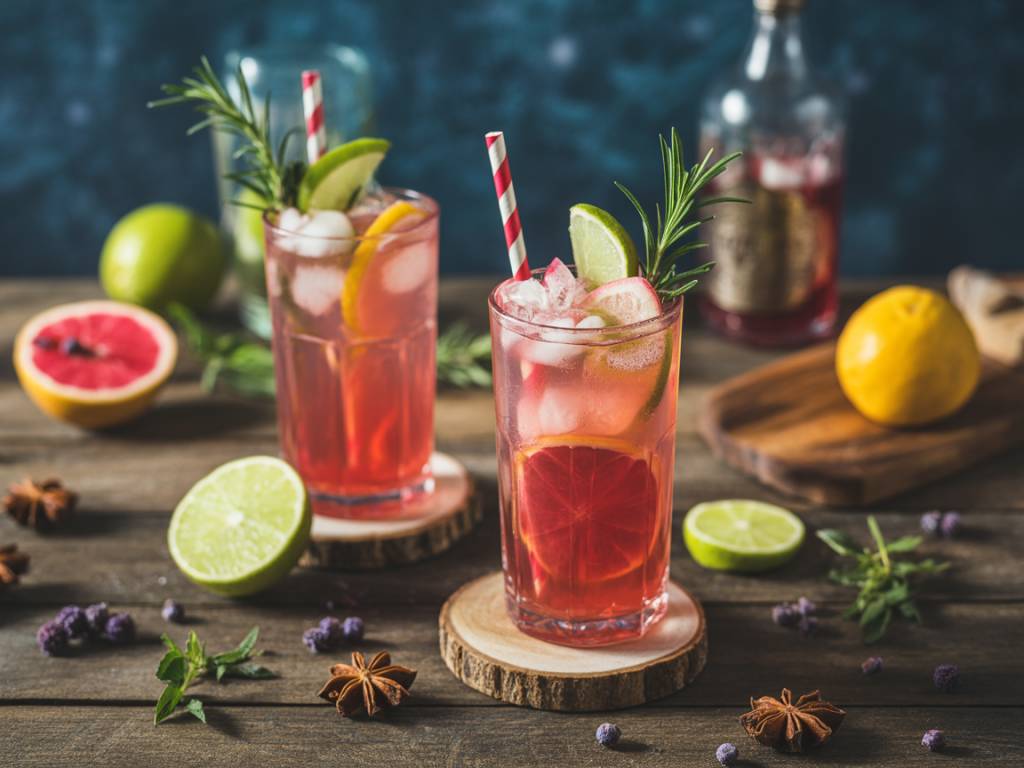
Colorful, fragrant and refreshingly complex, mocktails have moved far beyond sugary sodas and bland juice mixes. When they are crafted with organic, seasonal fruits and herbs, they become more than just alcohol-free alternatives: they turn into sensory experiences that celebrate biodiversity, soil health and mindful drinking. This article explores why organic ingredients matter, how to select and prepare them safely, and offers several detailed mocktail recipes you can easily reproduce at home.
Why choose organic fruits and herbs for mocktails?
Organic agriculture avoids synthetic pesticides and fertilizers, focuses on soil health and biodiversity, and generally relies on more natural pest‑management techniques. When it comes to ingredients that are often used with their peels or skins—like citrus, apples, berries and many herbs—this can be especially relevant.
From a health perspective, organic produce typically has lower pesticide residues than conventionally grown produce. Washing and peeling fruits always helps reduce residues, but starting with organic ingredients is an additional way to limit unnecessary exposure for you and your guests, including children and pregnant people, for whom alcohol-free drinks are particularly important.
There is also a flavour argument. Herbs and fruits grown in healthy soils often develop more complex aromas. Because mocktails do not rely on the strong flavours of spirits, these subtle aromatic differences become more noticeable. A ripe, organic strawberry or a freshly picked sprig of mint can transform a simple drink into a layered, aromatic beverage.
Seasonality: the secret to flavourful mocktails
Seasonality is one of the easiest guides to building mocktail menus throughout the year. Using fruits and herbs at their natural peak usually means better flavour, higher nutrient content and reduced environmental impact from transport and storage.
Here is a simple seasonal roadmap (adjust according to your local climate):
- Spring: Strawberries, rhubarb, early herbs (mint, lemon balm), citrus still in season in some regions.
- Summer: Berries of all kinds, peaches, nectarines, melons, cucumbers, fresh basil, thyme and lavender.
- Autumn: Apples, pears, grapes, figs, late berries, rosemary, sage and warm spices like cinnamon or cloves (used sparingly).
- Winter: Citrus fruits (oranges, grapefruits, mandarins, lemons), pomegranates, stored apples and pears, evergreen herbs such as rosemary.
Planning mocktails around the seasons helps you diversify flavours and colors, encourages you to visit local markets and small producers, and often reduces the environmental footprint associated with long-distance shipping and greenhouse production.
Safe handling and preparation of organic ingredients
Even when using organic produce, basic food safety remains essential:
- Rinse all fruits and herbs under running water just before use, especially items that are not peeled.
- Use a dedicated cutting board and a clean knife to avoid cross‑contamination with raw animal products.
- Store fresh herbs in the refrigerator, loosely wrapped in a damp cloth or standing in a small jar of water, and use them within a few days.
- If preparing syrups or infusions in advance, keep them refrigerated in clean, closed containers and consume them within 3–5 days.
These simple steps help ensure that your organic mocktails are not only aromatic and colourful, but also safe for all guests.
Essential tools and base ingredients for organic mocktails
You do not need a professional bar setup to prepare festive drinks. A few everyday kitchen tools are enough:
- A sturdy glass jar or shaker with lid for mixing.
- A fine mesh strainer or clean cloth for filtering pulps and herbs.
- A muddler or wooden spoon for gently crushing fruits and herbs.
- Measuring spoons and a measuring cup to maintain balanced recipes.
For base ingredients, consider keeping on hand:
- Organic sparkling water or club soda for light, bubbly textures.
- Still water or lightly filtered tap water for infusions and syrups.
- Small amounts of organic cane sugar, honey or agave syrup to adjust sweetness.
- Freshly squeezed organic citrus juice (lemon, lime, orange, grapefruit) as your main source of acidity.
- Ice cubes made from clean water; you can also freeze small fruits or herbs inside the cubes for visual appeal.
Spring garden spritz with organic strawberries and mint
This drink highlights the first sweet strawberries of spring and fresh garden mint. It works well for brunch or as a light afternoon refreshment.
Ingredients (per glass):
- 4–5 ripe organic strawberries, hulled and sliced
- 5–6 fresh organic mint leaves, plus an extra sprig for garnish
- 2 teaspoons organic cane sugar or 1 teaspoon honey (adjust to taste)
- 2 tablespoons freshly squeezed organic lemon juice
- 120–150 ml chilled organic sparkling water
- Ice cubes
Method:
- Place the sliced strawberries and mint leaves in a sturdy glass.
- Add the sugar or honey and gently muddle with a wooden spoon until the strawberries release their juice. Avoid crushing the mint too harshly to keep it from turning bitter.
- Add the lemon juice and stir.
- Fill the glass with ice cubes.
- Top with chilled sparkling water and stir gently.
- Garnish with a fresh strawberry slice and a mint sprig.
This mocktail offers natural sweetness, bright acidity and herbal freshness, without any artificial flavourings or colouring.
Summer peach and basil cooler
Peaches and basil share a surprising harmony: the fruit’s sweetness and the herb’s slightly peppery character create depth reminiscent of a crafted cocktail, but entirely alcohol‑free.
Ingredients (per glass):
- 1 ripe organic peach, pitted and sliced
- 4–5 fresh organic basil leaves
- 2 tablespoons freshly squeezed organic lime juice
- 1–2 teaspoons organic cane sugar or agave syrup
- 90 ml chilled still water
- 90 ml chilled sparkling water
- Ice cubes
Method:
- In a jar or shaker, combine peach slices, basil leaves, lime juice and sugar or agave.
- Muddle gently until the peach starts to break down and the basil releases its aroma.
- Add still water and a few ice cubes. Close the jar and shake lightly.
- Strain into a glass filled with fresh ice to remove most of the pulp and basil pieces.
- Top with sparkling water and stir gently.
- Garnish with a thin peach slice and a small basil leaf.
This cooler is naturally rich in vitamin C from the citrus and provides a pleasant alternative to sweetened sodas during hot weather.
Autumn apple, ginger and rosemary fizz
Autumn invites warmer, spicier notes. This mocktail combines crisp apple with fresh ginger and aromatic rosemary for a drink that feels both comforting and refreshing.
Ingredients (per glass):
- 90 ml organic apple juice (freshly pressed if possible, unfiltered for more flavour)
- 1 thin slice of fresh organic ginger (about 2–3 cm, peeled)
- 1 small sprig of fresh organic rosemary, plus extra for garnish
- 1 tablespoon freshly squeezed organic lemon juice
- 60–90 ml chilled sparkling water
- 1 teaspoon organic honey or maple syrup (optional, depending on sweetness of the juice)
- Ice cubes
Method:
- In a small saucepan, gently warm the apple juice with the ginger slice and rosemary sprig over low heat until just steaming, not boiling. This step infuses flavour; if you prefer a fully cold drink, let the mixture cool completely afterwards in the refrigerator.
- Remove from heat, discard the ginger and rosemary, and stir in honey or maple syrup if using. Allow to cool if necessary.
- Fill a glass with ice cubes.
- Pour the infused apple juice over the ice, add lemon juice and stir.
- Top with sparkling water and stir gently.
- Garnish with a small rosemary sprig and a thin apple slice.
This drink works well at seasonal gatherings and can be prepared in a larger batch. For a group, simply multiply the quantities and adjust sweetness to taste.
Winter citrus and pomegranate sparkle
The colder months bring a variety of citrus fruits and jewel‑toned pomegranates. This mocktail relies on their natural acidity and color to deliver a festive, vitamin‑rich drink suitable for holiday tables.
Ingredients (per glass):
- 60 ml freshly squeezed organic orange juice
- 30 ml freshly squeezed organic grapefruit juice
- 15 ml freshly squeezed organic lemon juice
- 2 tablespoons organic pomegranate seeds
- 1–2 teaspoons organic cane sugar or simple syrup, if desired
- Chilled organic sparkling water, to top (about 90–120 ml)
- Ice cubes
Method:
- Add the pomegranate seeds to the bottom of a glass.
- In a separate container, mix orange, grapefruit and lemon juices with sugar or simple syrup, if using, until dissolved.
- Fill the glass with ice cubes.
- Pour the citrus mixture over the ice.
- Top with sparkling water and stir gently, allowing some pomegranate seeds to rise and fall in the bubbles.
- Garnish with a thin citrus wheel on the rim of the glass.
The interplay of sweet and tart citrus, along with the crunch of pomegranate seeds, provides a multi‑sensory experience that feels indulgent yet remains alcohol‑free.
Reducing waste and supporting sustainable choices
Working with fresh organic produce offers opportunities to minimize waste:
- Use citrus peels (from well‑washed organic fruits) to create zests or decorative twists for garnish.
- Freeze leftover fruit pieces for use in smoothies or as ice cube substitutes in future drinks.
- Turn excess herbs into herbal ice cubes by freezing them in water or lightly sweetened infusion.
When purchasing ingredients, look for local organic producers or community‑supported agriculture schemes. Shorter supply chains can lower carbon emissions associated with transportation and refrigeration, and often strengthen local economies.
Customising mocktails for different dietary needs
Mocktails can easily be adapted to suit various dietary preferences and health considerations:
- For those monitoring sugar intake, use smaller amounts of sweetener and rely more on naturally sweet fruits. Taste as you go and adjust gradually.
- For people avoiding honey or animal products, choose organic cane sugar, maple syrup or agave.
- If you or your guests need to manage acid reflux, reduce the proportion of lemon and lime juice and balance drinks with more water and milder fruits like cucumber or melon.
By communicating with your guests about their needs, you can create an inclusive, alcohol‑free drinks menu that feels thoughtful and celebratory.
Crafting organic mocktails built around seasonal fruits and herbs encourages a slower, more attentive way of drinking. It highlights the work of organic farmers, offers safer and more inclusive options for social gatherings, and proves that festive does not have to mean alcoholic. With a few simple tools, careful ingredient selection and an eye on the seasons, anyone can assemble a vibrant repertoire of drinks that respect both personal health and the wider environment.