


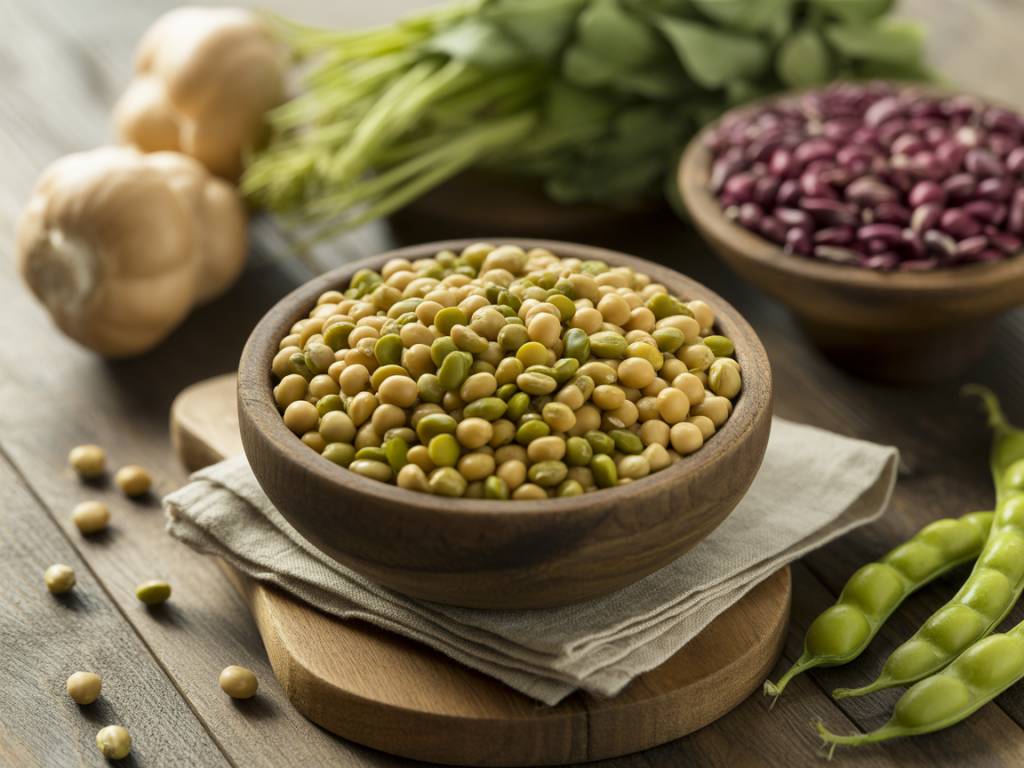
Why organic legumes deserve a bigger place on your plate
If you’re trying to eat more sustainably, boost your protein intake and keep your food budget under control, organic legumes are your best ally. Lentils, chickpeas, beans and peas are humble, yes, but they tick almost every box: affordable, versatile, nourishing and planet-friendly.
And yet, many people still see them as “side dishes” or “vegan food only”. In my kitchen consulting work, I hear the same comments again and again: “They take too long to cook”, “I don’t digest them well”, “I never know what to do with them”.
Let’s change that. In this article, we’ll look at why organic legumes are a solid protein source, how to choose the right products, and above all how to integrate them easily into everyday meals without spending hours in the kitchen.
Legumes as a protein source: how do they really compare?
Legumes are the seeds of plants in the Fabaceae family: lentils, chickpeas, beans, peas, split peas, soybeans, etc. Nutritionally, they sit somewhere between vegetables and cereals: they’re rich in complex carbs and fibre, but also provide impressive amounts of protein.
On average, cooked legumes provide:
- Lentils (cooked): ~9 g protein per 100 g
- Chickpeas (cooked): ~8–9 g protein per 100 g
- Kidney beans (cooked): ~8 g protein per 100 g
- Split peas (cooked): ~8 g protein per 100 g
By comparison:
- Chicken breast (cooked): ~25–30 g protein per 100 g
- Cooked pasta: ~5 g protein per 100 g
- Cooked quinoa: ~4 g protein per 100 g
Legumes are less protein-dense than meat, but far more than most grains and vegetables. Combined with whole grains (brown rice, wholewheat pasta, oats, etc.), they can easily cover daily protein needs, especially if you include a variety of plant-based sources across the day (nuts, seeds, tofu, tempeh, dairy if you consume it).
But are legume proteins “complete”?
You may have heard that plant proteins are “incomplete”. The reality is more nuanced. Legumes tend to be lower in methionine (an essential amino acid) but relatively rich in lysine. Grains are the opposite: richer in methionine but lower in lysine.
The solution is wonderfully simple: combine legumes and whole grains over the course of the day. You don’t need to obsess over “complementary proteins” in the same bite. A few easy combinations:
- Lentil and vegetable stew served over brown rice
- Chickpea curry with wholegrain naan or millet
- Black bean chilli with wholegrain tortillas
- Hummus on wholemeal toast
Your body pools amino acids throughout the day. As long as you eat a variety of plant proteins, you’ll cover your bases without needing to do nutritional maths at every meal.
Why choosing organic makes a difference
So why insist on organic legumes specifically? Isn’t a chickpea just a chickpea? Not quite.
Organic farming standards (EU organic, Soil Association in the UK, USDA Organic, etc.) set strict rules:
- No synthetic pesticides or herbicides
- No synthetic fertilisers
- No GMOs
- Crop rotations and soil-friendly farming practices
For legumes, this is particularly relevant. Legume crops naturally fix nitrogen in the soil through their root systems and symbiosis with bacteria. In well-designed organic systems, they:
- Improve soil fertility without synthetic fertilisers
- Support biodiversity by breaking monoculture cycles
- Help reduce greenhouse gas emissions compared to intensive livestock production
On your plate, organic legumes generally bring:
- Fewer pesticide residues: interesting if you eat them several times a week
- Better traceability: organic supply chains tend to be more transparent about origin and farming practices
- Often better flavour and texture: especially with high-quality European or UK-grown varieties, which I increasingly see in organic shops
When shopping, look for clear labelling: EU organic leaf, Soil Association logo, or your national organic certification. If the packaging also mentions the country or region of origin, even better.
Dried vs canned organic legumes: which should you buy?
Both have their place in an organised kitchen. I always keep a mix of both to stay flexible.
Dried organic legumes are ideal if you:
- Want the lowest cost per portion
- Cook in batches and freeze
- Like firmer textures (perfect for salads, burgers, falafels)
Advantages:
- Very economical
- Minimal packaging (especially if bought in bulk)
- You control the texture and seasoning from the start
Limitations:
- Need soaking (except lentils and split peas) and longer cooking times
- Require a bit of planning ahead
Canned organic legumes are your weekday lifesavers if you:
- Have limited time and energy to cook
- Want something ready in 5 minutes
- Are just starting to eat legumes and feel intimidated by soaking and cooking
Advantages:
- Ready to use: just drain and rinse
- Perfect for last-minute salads, curries, spreads
- Still affordable, especially compared to processed “protein products”
Limitations:
- Sometimes higher in salt (check the label)
- Texture can be softer, less defined
What I recommend to most people: build a small “protein pantry” with 3–4 types of dried legumes you use often (e.g. green lentils, red lentils, chickpeas, a bean mix) plus 4–6 cans of your favourites for busy days. That way, you always have a protein solution at home, organic and inexpensive.
Making legumes easier to digest
One of the main obstacles I hear about is digestion: bloating, gas, discomfort. If that’s you, don’t give up too quickly. A few simple techniques can make a big difference.
Soak properly (for dried legumes that require it):
- Rinse thoroughly
- Soak in plenty of fresh water, ideally 8–12 hours
- Add a splash of lemon juice or apple cider vinegar if you like (helps break down some compounds)
- Discard the soaking water and rinse again before cooking
Cook long enough:
- Undercooked legumes are harder to digest. They should be tender all the way through, not chalky in the centre.
- If you’re just starting out, cook them a little softer than you think you need.
Use digestive herbs and spices in the cooking water or in your dish:
- Bay leaf, thyme, rosemary
- Cumin, coriander, fennel seeds
- Ginger, turmeric
And above all: increase gradually. If you currently eat legumes once a week, don’t jump to twice a day overnight. Start with small portions (a few tablespoons in a salad or soup), then slowly build up as your gut microbiota adapts to the increased fibre.
Everyday ways to add organic legumes to your meals
Now, the practical part. How do you move from “I have a bag of lentils in the cupboard since 2021” to “legumes are a normal part of my routine”?
I like to work with three levels of effort: 5-minute add-ins, basic batch-cooked recipes, and “wow but still simple” dishes for when you have a bit more time.
5-minute add-ins (no real recipe needed)
Keep 1–2 jars of cooked organic legumes in the fridge (home-cooked or from a can). Then:
- Upgrade your salads: toss in a handful of chickpeas or lentils to your usual green salad. Add some toasted seeds and you’ve got a complete, protein-rich lunch.
- Boost your soups: stir in cooked white beans or split lentils to puréed vegetable soups. They add body and protein without changing the flavour too much.
- Enrich your pasta: after draining wholegrain pasta, mix in a few tablespoons of cooked lentils or cannellini beans with your favourite tomato sauce.
- Protein toast: spread hummus instead of butter or cheese on your toast, then top with sliced tomatoes, cucumber or roasted peppers.
- Quick snack: rinse canned chickpeas, pat them dry, toss with olive oil, a pinch of salt and paprika, and roast 15 minutes in a hot oven. Crunchy, satisfying and miles better than crisps.
Basic batch-cooked recipes to save your week
If you can dedicate 1–2 hours once a week, you can batch cook legumes and transform your everyday meals. Here are three reliable options I use constantly.
1. A pot of simple organic lentils
Use for: salads, grain bowls, side dishes, fillings
- Rinse 300 g organic green or brown lentils (no soaking needed).
- Place in a pot with about 1 L water, 1 peeled onion, 1 bay leaf, and a clove of garlic.
- Simmer 20–25 minutes until just tender, not mushy.
- Salt at the end only, to avoid tough skins.
- Drain and cool; store in an airtight container in the fridge for up to 4 days.
Use them throughout the week:
- Toss with chopped herbs, olive oil, lemon juice and roasted carrots for a hearty salad
- Add to a pan of sautéed vegetables and serve over brown rice
- Mix into tomato sauce for a “lentil bolognese”
2. A basic organic chickpea batch
Use for: hummus, curries, tray bakes, snacks
- Soak 300 g organic chickpeas overnight in plenty of water.
- Drain, rinse, then cook in fresh water with a bay leaf and a piece of kombu (optional) for 60–90 minutes, until very soft.
- Cool in their cooking liquid (this helps texture).
- Portion out: some for hummus, some for curries, some to freeze with a bit of cooking liquid.
From this one batch, you can:
- Blend chickpeas with tahini, lemon, garlic and olive oil for classic hummus
- Simmer chickpeas in coconut milk with curry spices and spinach for a quick curry
- Roast chickpeas with spices for salad toppings and snacks
3. A “one-pot” lentil and vegetable stew
Use for: work lunches, freezer portions, simple dinners
- Sauté chopped onions, carrots and celery in olive oil.
- Add 250 g rinsed green lentils, 1 can chopped tomatoes, herbs (thyme, bay leaf), salt and pepper.
- Cover with water or vegetable stock and simmer ~30 minutes until lentils are tender.
- Finish with a splash of vinegar or lemon and fresh herbs.
Serve this over brown rice, with a slice of sourdough, or simply as is with a green salad on the side. It freezes beautifully.
“Wow but still simple” legume-based meals
When you’ve got a little more time, you can easily turn organic legumes into centre-of-the-plate dishes that even sceptical meat-eaters will enjoy.
1. Chickpea and vegetable tray bake
This is one of my favourite “empty the fridge” recipes.
- Preheat the oven to 200°C.
- On a large tray, toss drained organic chickpeas with chunks of seasonal vegetables (courgettes, peppers, onions, carrots, cauliflower…), olive oil, salt, pepper, garlic and spices (paprika, cumin, oregano).
- Roast 25–30 minutes, stirring halfway, until vegetables are golden and chickpeas slightly crisp.
- Serve with a quick yoghurt-tahini-lemon sauce and some cooked whole grains.
2. Comforting lentil shepherd’s pie
- Prepare a savoury base with onions, carrots, mushrooms and garlic, sautéed in olive oil.
- Add cooked green lentils, tomato paste, herbs and a splash of vegetable stock. Simmer until thick.
- Transfer to a baking dish, top with mashed potatoes (or a mix of potatoes and celeriac) and bake until golden on top.
The texture is so satisfying that many people don’t even realise there’s no meat until you tell them.
3. Black bean or kidney bean chilli
- Sauté onions, garlic and peppers in a large pot.
- Add spices (chilli powder, cumin, smoked paprika), then canned tomatoes and cooked organic beans (or drained canned beans).
- Simmer 20–30 minutes, adjust seasoning and serve with brown rice, avocado, coriander and lime.
This reheats very well and makes generous leftovers.
Legumes beyond lunch and dinner
Who said legumes were only for savoury dishes? You can use organic pulses in snacks and even desserts, often with impressive results.
- Breakfast: Add a few tablespoons of cooked lentils or white beans to your smoothie. Blend with banana, berries, oats and plant milk. The taste is almost invisible, but you gain protein and creaminess.
- Snacks: Spread hummus or bean dips on crackers with sliced cucumber or radishes. A far more satisfying snack than a plain biscuit.
- Dessert experiments: Black bean brownies and chickpea blondies sound strange but work surprisingly well when you get the balance right. Always start with tried-and-tested recipes, and keep portions moderate if you’re not used to pulses.
How much should you eat, realistically?
Public health guidelines in many countries encourage eating legumes at least 2–3 times per week. For most people, 80–100 g cooked legumes per serving is a practical base amount, adjusted to appetite and energy needs.
If you’d like to rely more heavily on plant proteins, aim for:
- 1 small serving of legumes per day to start (for example, a few spoonfuls in your lunch salad or soup)
- Then build up to 1 full legume-based meal per day (chilli, lentil curry, hummus and wholegrain bread, etc.)
Listen to your body, especially your digestion, and adjust the pace at which you increase servings. If you have specific health conditions (IBS, kidney issues, need for protein restriction or very high protein), talk with a dietitian or health professional for tailored guidance.
Smart shopping tips for organic legumes
To finish, let’s make your next food shop easier.
- Start with 3 staples: green or brown lentils, chickpeas, and one type of bean you like (kidney, cannellini, black beans). You don’t need the whole world of pulses at once.
- Check the label: look for organic certification, country of origin, and if canned, a short ingredient list: “legumes, water, salt” is ideal.
- Know your cooking times: stick a little note inside your cupboard door with approximate cooking times for each type. It removes a mental barrier.
- Mix dried and canned: keep dried for weekends or batch cooking, canned for busy days and last-minute meals.
- Watch for special varieties: in organic shops and farmers’ markets, keep an eye out for local or heritage pulses, often with exceptional flavour and story behind them.
Organic legumes are one of the rare foods that genuinely serve your health, your wallet and the environment at the same time. With a few habits in place—soaking, batch cooking, keeping a small pantry—you can turn them from “worthy but intimidating” to “easy, tasty and automatic” in your weekly rotation.
If there’s one small step to take this week, make it this: buy one organic legume you don’t usually cook, and plan a single simple dish around it. The rest will follow naturally.