


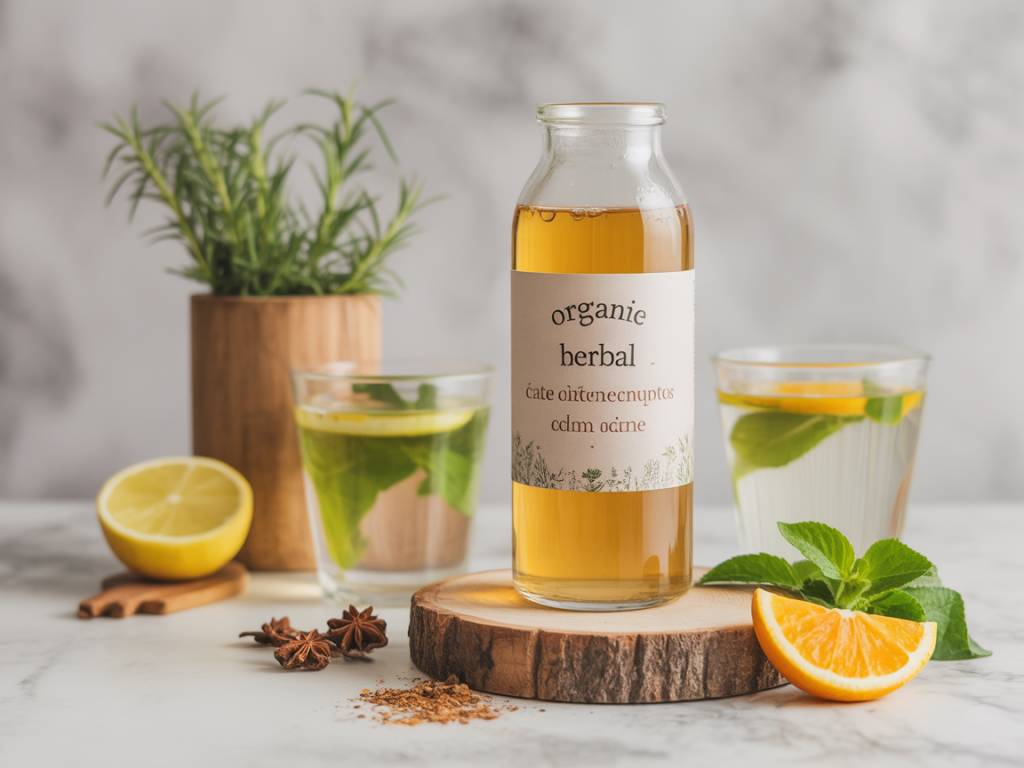
Parents searching for healthier drink options for children often find themselves caught between sugary juices, caffeinated teas, and artificially flavored “kids’ drinks.” In this context, organic herbal infusions can offer a gentle, plant-based alternative. When carefully selected and properly prepared, these caffeine-free, low-sugar drinks can help support calm, restful sleep, and a healthy immune system — without relying on synthetic ingredients.
What are herbal infusions for kids?
An herbal infusion is essentially a “tea” made from herbs, flowers, spices, or fruits steeped in hot water. Unlike traditional teas made from the Camellia sinensis plant (black, green, white, oolong), herbal infusions are naturally caffeine-free when they do not contain tea leaves or other stimulants such as yerba mate or guarana.
For children, herbal infusions need to be:
- Caffeine-free: to avoid sleep disruption, jitteriness, and potential effects on heart rate.
- Low in sugar: to protect dental health, support stable energy, and reduce the risk of overweight and obesity.
- Age- and dose-appropriate: with herbs generally recognized as safe for children, used in mild concentrations.
- Organic when possible: to limit exposure to pesticide residues and other agrochemicals.
It is important to distinguish between a gentle, food-like herbal drink and an intensive “herbal remedy.” For everyday use with children, parents should focus on mild, well-studied plants and light preparations, and always consult a pediatrician or healthcare professional if their child has health conditions, takes medication, or is under one year of age.
Why choose organic, caffeine-free drinks for children?
Children are more sensitive than adults to both stimulants and environmental contaminants. Herbal infusions, when sourced organically and used appropriately, can help reduce exposure to substances that may not be ideal for developing bodies.
Key benefits of organic, caffeine-free herbal infusions include:
- Reduced pesticide exposure: Organic certification typically limits synthetic pesticides and fertilizers, which can be especially relevant for children, whose detoxification systems are still maturing.
- No caffeine load: Caffeine can interfere with sleep, increase anxiety, and may affect blood pressure and heart rate. Caffeine-free infusions are better suited to evening routines and everyday hydration.
- Less sugar than juices or sodas: When herbal infusions are served unsweetened or lightly sweetened, they can significantly reduce a child’s daily sugar intake compared with many commercial drinks.
- Aromas and flavors from plants, not additives: Many herbs offer natural flavor and aroma, reducing the need for artificial flavors, colors, or sweeteners.
Safe, kid-friendly herbs to support calm and sleep
Certain herbs have a long tradition of use to promote relaxation and support healthy sleep. For children, safety and gentleness come first. Healthcare professionals often highlight the following plants as among the most commonly used, when prepared correctly and in appropriate amounts:
- Chamomile (Matricaria chamomilla): One of the best-known herbs for children. Chamomile is often used to support relaxation, ease mild digestive discomfort, and help prepare the body for sleep. Many children accept its mild, apple-like flavor. However, it belongs to the Asteraceae family, so children with allergies to ragweed or related plants may react; in such cases chamomile should be avoided.
- Lemon balm (Melissa officinalis): Traditionally used for nervous tension and mild anxiety, lemon balm has a gentle lemony flavor that many children enjoy. Light infusions may be used as part of a calming evening routine.
- Linden (Tilia spp.): Linden flowers are used in some cultures to promote relaxation and comfort during colds. The infusion has a mild, sweet taste. As with any herb, doses for children should be modest, and linden should be avoided in large amounts or in children with specific heart conditions, unless advised by a healthcare professional.
- Passionflower (Passiflora incarnata): Sometimes used to support calm and sleep, but typically recommended with more caution than chamomile or lemon balm, and generally under professional guidance for children. Not all passionflower products are alike, and not all are appropriate for kids.
For most families, starting with chamomile and lemon balm, alone or in combination, at a low concentration is the most common approach. Any persistent sleep difficulty or anxiety should be discussed with a pediatrician rather than treated solely with herbal drinks.
Herbal infusions to support children’s immunity
No drink can “boost” the immune system in a miraculous way, and exaggerated marketing claims around immunity should be treated with caution. Still, some plants are rich in antioxidants, gentle vitamins, and traditional properties that may support overall resilience when part of a healthy lifestyle.
Commonly used immune-supportive herbs and ingredients for kids include:
- Rosehip (Rosa canina): Naturally rich in vitamin C and antioxidants, rosehip infusions provide a tangy, fruity drink that can be a pleasant alternative to juice. Vitamin C helps support normal immune function.
- Hibiscus (Hibiscus sabdariffa): Deep red and slightly tart, hibiscus is also high in antioxidants. In moderate amounts, it can be part of a child-friendly blend. However, its strong acidity means it should not be overused for children with sensitive stomachs or dental enamel concerns, especially if sweetened.
- Elderflower (Sambucus nigra flowers): Traditionally used in some European herbal traditions to support comfort during colds and flu. While elderberry products are better known, elderflower infusions are also used in children’s herbal blends. Leaves, bark, or unripe berries of elder plants are not appropriate for home use due to toxicity risks.
- Mild spices such as ginger (Zingiber officinale): In mild amounts, ginger can support digestion and provide warmth and comfort. For children, the concentration should be low to avoid stomach irritation.
Parents should regard immune-supportive herbal infusions as one small part of a broader strategy that includes balanced nutrition, adequate sleep, physical activity, fresh air, and up-to-date vaccinations, as recommended by healthcare authorities.
Keeping sugar light: practical strategies
Even the healthiest herbal infusion can quickly lose its benefits if heavily sweetened. Managing sweetness is essential for children’s long-term dietary habits and oral health.
Some practical tips include:
- Start unsweetened: Offer the drink without sweeteners first. Many children adapt easily if they are not already accustomed to very sweet flavors.
- Use small amounts of honey for children over 1 year: Honey adds natural sweetness and a pleasant flavor, but it is still sugar. It should never be given to infants under 12 months because of the risk of infant botulism.
- Consider fruit for gentle sweetness: Adding a small amount of crushed berries, apple slices, or a bit of diluted fruit juice can flavor the infusion without reaching the sugar levels of commercial soft drinks.
- Limit frequency of sweetened drinks: If sweetened, it is better to serve them with meals rather than as constant sips throughout the day, to reduce tooth exposure to sugars and acids.
When purchasing ready-made herbal drinks marketed for children, it is essential to read labels carefully. Look for sugar content, presence of artificial sweeteners, and any added caffeine sources. “Natural” or “herbal” on the label does not guarantee low sugar.
How to prepare gentle herbal infusions for kids
Preparation method influences both safety and enjoyment. For children, lighter infusions are usually preferable to strong, medicinal-strength brews.
- Choose quality, organic herbs: Prefer reputable brands with clear ingredient lists and, if possible, organic certification. Avoid bulk herbs from unknown sources for children.
- Use limited amounts: For a child-sized serving (around 150–200 ml), many herbalists suggest starting with about half the amount of herb used for an adult portion, then adjusting based on taste and professional guidance.
- Steep gently: Typically, pour just-boiled water over the herbs, cover, and steep for 5–10 minutes for gentle plants like chamomile or lemon balm. Longer steeping extracts more compounds and leads to a stronger flavor, which is not always desirable for children.
- Cool properly: Allow the infusion to cool to a safe temperature before serving. For younger children, room temperature or slightly warm is usually best. For older children, iced herbal infusions can be appealing in warm weather.
- Store safely: Herbal infusions should generally be consumed within the same day. Refrigerate if prepared in advance, and discard if there is any change in smell, color, or clarity.
Parents should introduce new herbs one at a time and in small amounts, watching for any signs of allergy or intolerance such as skin rash, digestive upset, or breathing difficulties. Any concerning reaction requires immediate medical attention.
When to be cautious or avoid herbal infusions
Although many herbs are gentle, “natural” does not always mean “risk-free.” Some situations call for particular care:
- Infants under 6 months: Their digestive and immune systems are still very immature. Health authorities typically recommend exclusive breastfeeding or formula feeding, without additional herbal drinks, unless specifically advised by a healthcare professional.
- Children with chronic conditions or taking medication: Herbs can interact with drugs or affect underlying conditions. This includes asthma, epilepsy, heart disease, autoimmune disorders, and others. In such cases, all herbal products should be discussed with a pediatrician.
- Allergies and atopic children: Chamomile and related plants may trigger reactions in children with known pollen or plant allergies. Always confirm with a healthcare professional if your child has a history of food or environmental allergies.
- Strong medicinal herbs: Some plants widely used in adult herbalism are not appropriate for children, or should only be used under professional guidance. Parents should avoid self-prescribing potent herbs they read about online.
Medical consultation is essential if a child has fever, persistent cough, breathing difficulty, unusual sleepiness, or any symptom that worries parents. Herbal infusions should complement, not replace, appropriate medical care.
Choosing and using products responsibly
For parents who prefer ready-made products, the growing market of organic herbal blends for children offers many options. To choose responsibly, consider:
- Ingredient transparency: Blends should clearly list all herbs and any flavorings. Avoid products with vague descriptions such as “proprietary blend” where exact amounts are not disclosed.
- Age recommendations: Some products are specifically formulated for older children. Always follow the stated age guidance.
- Certification and testing: Organic certification, quality seals, and information on testing for contaminants (heavy metals, pesticides, microbes) are indicators of higher safety standards.
- Evidence-based claims: Be cautious of products claiming to “cure” illnesses or dramatically “boost” immunity. Responsible brands use moderate, realistic wording and encourage consultation with health professionals.
Home-prepared herbal infusions, when based on safe, well-known herbs and sound information, can be just as valuable as purchased blends. In both cases, the goal is the same: to offer children enjoyable, low-sugar, caffeine-free drinks that gently support calm evenings, restful nights, and overall resilience, within a lifestyle founded on good nutrition, sleep, and medical guidance when needed.