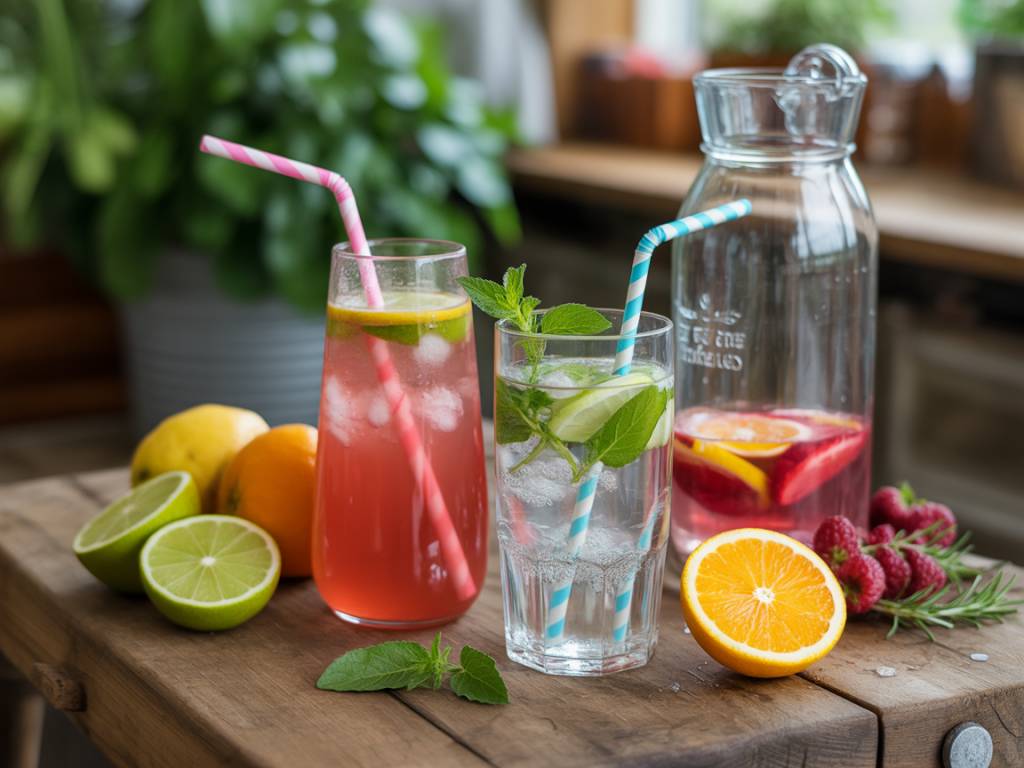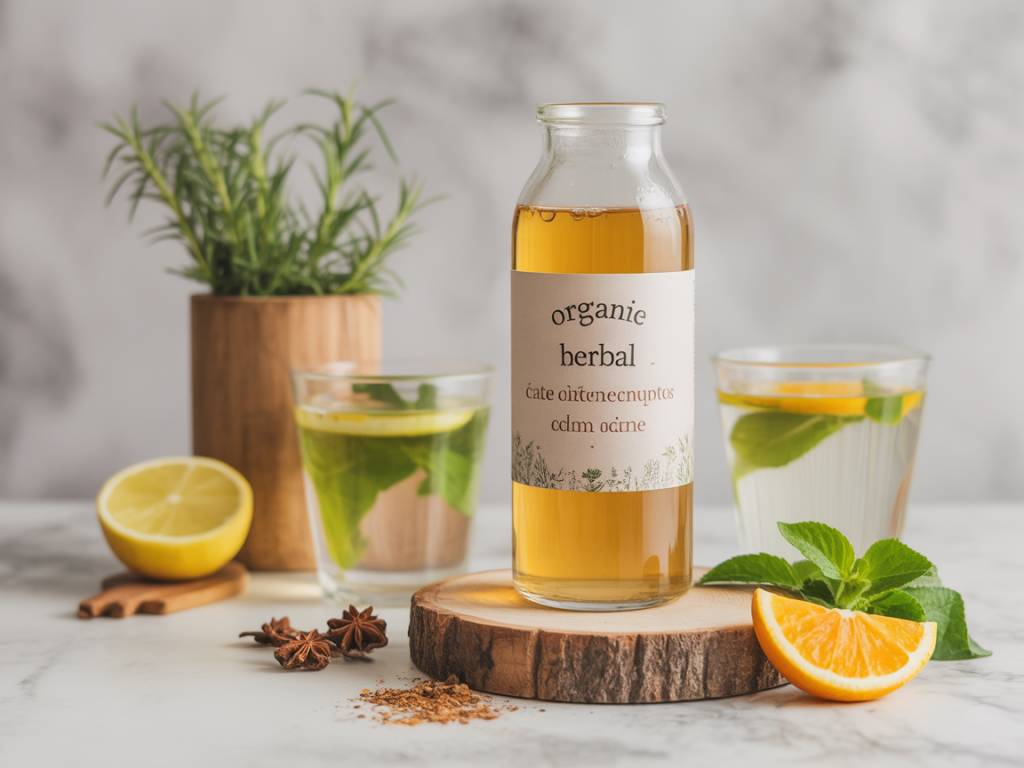
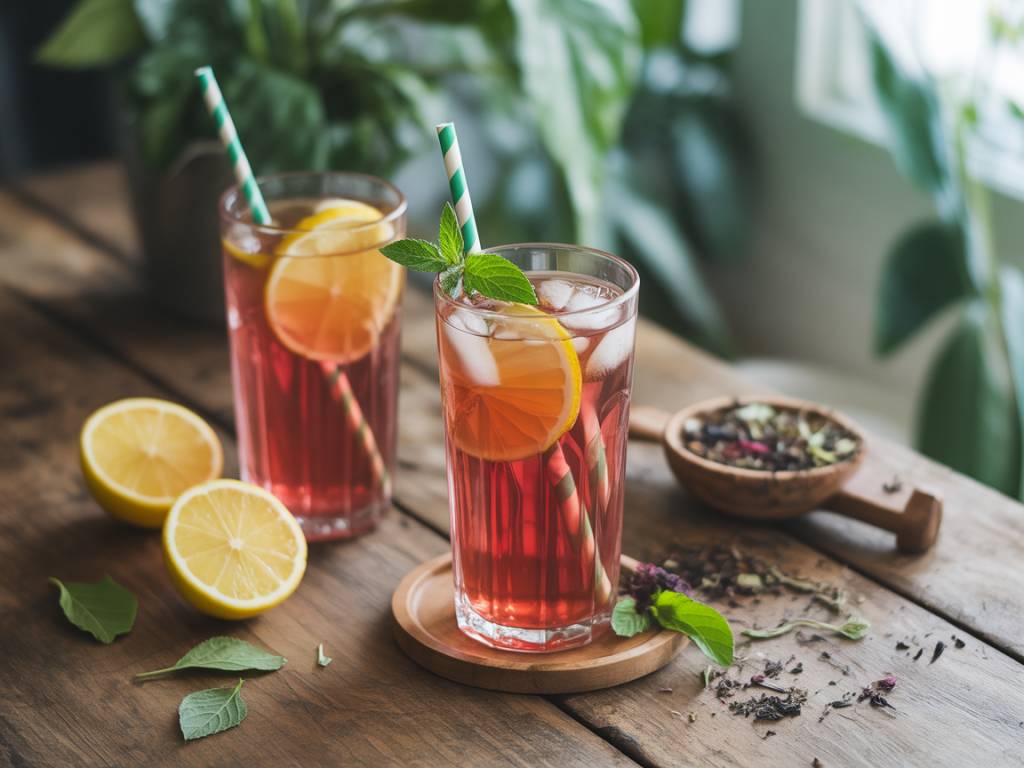
On hot days when water feels too plain and sugary drinks seem unappealing, organic herbal iced tea can offer a refreshing, sugar-free alternative. Built from leaves, flowers, fruits, and spices, these infusions can highlight what is in season while keeping added sweeteners out of the glass. With a little planning, it becomes possible to create colourful, aromatic pitchers that hydrate without artificial flavours, preservatives, or caffeine.
Why choose organic, herbal and sugar-free?
Herbal iced teas stand apart from conventional iced tea in several ways. Most traditional iced teas are made from black or green tea, which contain caffeine. Herbal blends, in contrast, usually rely on plants such as mint, chamomile, hibiscus, or lemongrass, and are naturally caffeine-free. This makes them suitable for late-evening drinking, for children, and for people sensitive to stimulants.
Choosing organic ingredients can also help limit exposure to pesticide residues and synthetic fertilizers. While the health impact of low-dose pesticide exposure from food remains debated, organically grown herbs and fruits typically avoid these inputs. For people trying to reduce their overall chemical burden, this can be a meaningful choice.
Leaving out sugar is another important step. Many commercially bottled iced teas contain significant amounts of added sugar or high-fructose corn syrup, contributing to excess calorie intake and higher risk of dental caries and metabolic disorders. By building flavour through herbs, spices, and fruits, it is possible to craft a drink that feels indulgent without relying on sweetness.
Basic method for herbal iced tea
Most herbal iced teas can be prepared using one of two methods: hot infusion or cold brew. Both approaches have advantages, and both can work well with seasonal ingredients.
Hot infusion method
Hot water tends to extract flavours and plant compounds more quickly and thoroughly. Covering the container while steeping helps preserve volatile aromatic compounds, especially in delicate herbs like mint or lemon balm.
Cold brew method
Cold brewing generally creates a smoother, less bitter infusion, and is convenient for overnight preparation. Some flowers and fruits perform particularly well with this method, producing a gentle flavour and natural sweetness without the sharper notes that hot water can release.
In both methods, use glass or stainless steel containers when possible. Some plastics can absorb odours or leach compounds into hot liquids.
Seasonal spring herbal iced tea ideas
Spring offers tender leaves and delicate flowers with mild, green flavours. Many common garden herbs reach their aromatic peak early in the growing season.
Mint and lemon balm cooler
Gently crush the leaves between your fingers to release their oils, then use the cold-brew method. After an overnight steep, the result is a subtly sweet, grassy drink that feels cooling and light. Cucumber slices deepen the refreshing effect without adding sugar.
Early flower infusion
Use the hot infusion method, steeping for around 10–15 minutes. The chamomile adds a soft, apple-like note, while calendula contributes colour and a slightly earthy undertone. Lemon zest brightens the blend. This gentle combination may be particularly appealing toward evening.
Safety note: People with allergies to plants in the daisy family (Asteraceae), such as ragweed, may react to chamomile or calendula. Anyone with such allergies should avoid these ingredients or consult a healthcare professional.
Summer herbal iced teas with fruit-forward flavours
Summer is the peak season for vibrant herbs and ripe fruits. This is the ideal time to build sugar-free recipes that still deliver a sense of sweetness through natural aromas and tart notes.
Hibiscus, mint, and berry brew
Hibiscus provides a deep ruby colour and pronounced tartness reminiscent of cranberry. Steep the hibiscus in hot water for 10–15 minutes, then add mint and berries during the cooling phase to capture their delicate aromas. Once chilled, this blend tastes bright and complex without any added sugar. The berries infuse a gentle fruitiness that some people perceive as sweet.
Safety note: Hibiscus can lower blood pressure in some individuals. People taking antihypertensive medications or with low blood pressure should speak with a healthcare provider before regularly consuming strong hibiscus infusions.
Lemongrass, ginger, and peach infusion
Boil water and steep lemongrass and ginger for about 15 minutes to capture their citrusy and warming notes. After straining and cooling, add peach slices and refrigerate. The fruit releases aroma and subtle flavour into the chilled liquid, while lemongrass and ginger provide structure and a gentle “spice” that compensates for the absence of sugar. This combination can feel both invigorating and comforting, especially on humid days.
Citrus peel and basil spritzer
Prepare a concentrated herbal base using the hot infusion method with citrus peels and basil, then chill. When ready to serve, pour the infusion over ice and dilute with sparkling water. The bubbles amplify the aromas, and citrus oils help the drink feel satisfying even without sweetness.
Autumn-inspired herbal iced teas
Autumn often calls for deeper, warmer flavours, yet cooler days do not necessarily eliminate the desire for iced drinks. Seasonal fruits such as apples and pears, along with spices, can create complex infusions served either cold or at room temperature.
Apple peel and cinnamon herbal blend
Simmer apple peels and cinnamon sticks gently in water for 15–20 minutes, then allow to cool and refrigerate. Apple peels carry aroma and a mild fruitiness, while cinnamon adds warmth. When chilled and poured over ice, the result has a dessert-like character without sugar. A fragment of vanilla bean can round out the flavour, though it is optional due to cost.
Pear, sage, and fennel seed infusion
Use a hot infusion for the sage and fennel seeds, steeping for 10–15 minutes before straining and cooling. Add pear slices after the liquid has cooled to room temperature to preserve their delicate aroma. This combination offers an intriguing balance of herbal, anise-like, and fruity notes that can complement early autumn meals.
Winter-friendly iced teas and warming-cool hybrids
Even during winter, some people prefer lighter, cold beverages, especially in heated indoor environments. At this time of year, fresh herbs may be limited, but dried spices and evergreen plants can step forward.
Rosemary, orange, and juniper infusion
Steep rosemary, orange peel, and juniper in hot water for 15 minutes, then cool. Strain thoroughly before chilling. This blend evokes forest and citrus notes, providing a clean, resinous character. Serve over ice or at cool room temperature. Juniper should be used sparingly and avoided in pregnancy or for people with certain kidney conditions; for many, rosemary and orange alone will be sufficient.
Spiced rooibos iced tea
Rooibos is naturally caffeine-free and tolerant of long steeping without turning very bitter. Boil water and steep rooibos with cardamom and ginger for 10–20 minutes. After straining and cooling, chill and serve over ice. The resulting amber drink tastes full-bodied and gently sweet on its own, thanks to rooibos’s natural flavour.
Ways to enhance flavour without sugar
Building satisfying herbal iced tea without sweeteners requires attention to aroma, acidity, and mouthfeel. Several strategies can help.
For those transitioning from sweet drinks, a compromise approach can involve adding a small amount of natural sweetener such as a teaspoon of honey or a piece of dried fruit per glass, then gradually reducing the quantity over time. However, people with diabetes or those managing blood sugar should plan such choices with caution.
Practical tips for safe, sustainable herbal iced tea
While herbal drinks are often perceived as harmless, some basic precautions help keep them both safe and sustainable.
From an environmental perspective, herbal iced tea can be a low-impact drink. Dried herbs are lightweight, often requiring less energy for transport than bottled beverages. Using reusable glass bottles or pitchers avoids single-use plastic packaging. Choosing organic ingredients supports farming practices that prioritize soil health and biodiversity.
Bringing herbal iced tea into everyday life
Once the basic principles are in place, herbal iced tea can become part of daily routines. Preparing a pitcher in the evening for the next day provides a ready-to-drink alternative to soft drinks or juices. Rotating blends with the seasons keeps flavours interesting and allows you to rely more on locally available ingredients.
To make the habit sustainable:
By experimenting with different herbs, fruits, and spices, it becomes possible to discover combinations that satisfy personal taste while supporting hydration goals. The approach remains simple: water, plants, and time. Within those boundaries, there is room for continuous variation guided by the changing seasons and individual preferences.