


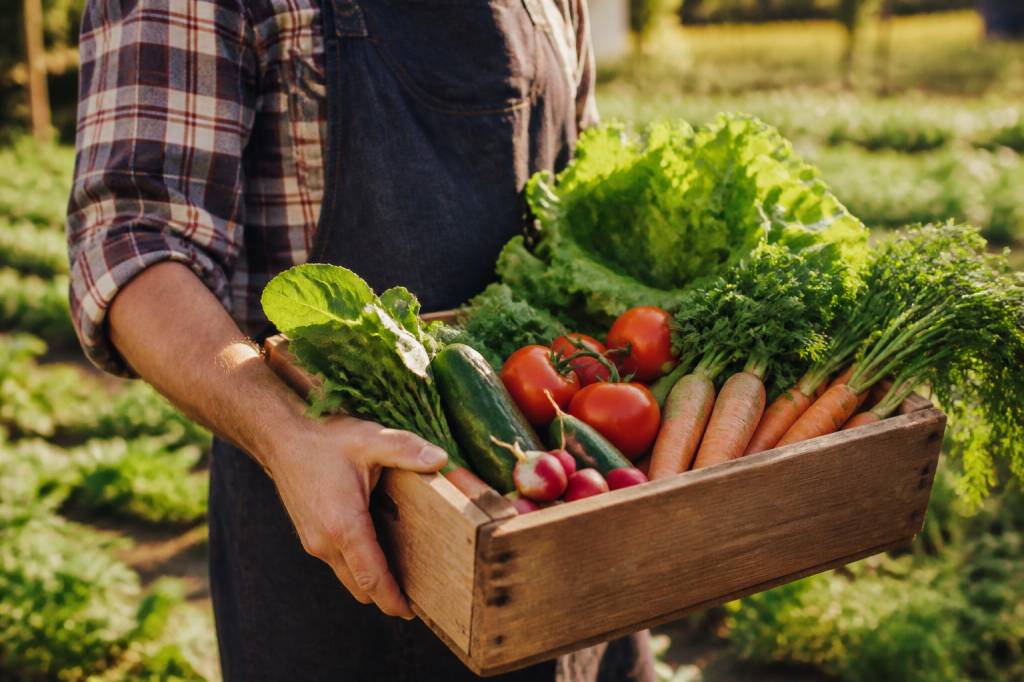
Organic food gets talked about a lot, but the real question is simple: what does it actually change in your day-to-day life? If you are trying to eat well, feel more energised, and make choices that fit a busy routine, organic food can offer some very practical advantages. Not magic. Not perfection. Just a set of differences that can add up over time.
At Mulberry Organics, the focus is usually on what helps people eat better without turning every meal into a project. So let’s look at the positives of organic food for health and wellbeing in a way that is useful, realistic, and easy to apply at home.
What “organic” really means in everyday terms
Before we get into the health benefits, it helps to be clear about what organic food is. In simple terms, organic farming follows stricter rules around pesticides, fertilisers, animal welfare, soil management, and food processing. That does not automatically make every organic product healthier in every situation, but it does change how the food is produced.
For shoppers, that difference matters because it often means:
If you have ever stood in front of the supermarket shelf wondering whether the organic label is worth it, you are not alone. I have done that exact slow supermarket shuffle too, usually with a shopping basket in one hand and a recipe in the other. The answer depends on your priorities, but health and wellbeing are definitely part of the picture.
Reduced exposure to pesticide residues
One of the most discussed benefits of organic food is lower exposure to pesticide residues. Conventional farming can use synthetic pesticides to protect crops, while organic standards restrict or prohibit many of these substances. Studies regularly show that people who choose organic foods tend to have fewer pesticide residues in their bodies.
Why does this matter? For most adults, occasional exposure from food is not an immediate problem. But if you are looking at long-term habits, reducing the amount of pesticide residue in your diet is a meaningful plus. That is especially relevant for pregnant people, young children, and anyone who wants to lower their overall chemical load where possible.
A practical way to use this information is to prioritise organic choices for foods that tend to carry more residue when grown conventionally, such as:
If your budget is limited, you do not need to switch everything at once. Start with the produce you eat most often or the items you buy for children’s lunch boxes. That is often where the biggest day-to-day benefit shows up.
Better support for gut health through a less processed diet
Organic food is not automatically a gut-health cure, but it often nudges people towards more whole foods and less ultra-processing. That can make a real difference. A plate built around organic vegetables, whole grains, legumes, eggs, yoghurt, or simple meats is usually more nutrient-dense than a diet built around heavily processed convenience foods.
Gut health is linked to fibre intake, food diversity, and overall diet quality. Organic eating patterns often encourage exactly that: more cooking from scratch, more seasonal produce, and fewer long ingredient lists you need a magnifying glass to decode.
In practice, this can mean:
A small but useful habit: try building one meal a day around three plant components, such as oats, berries, and seeds at breakfast; or lentils, roasted veg, and brown rice at lunch. Organic ingredients make this easier when you are already buying fresh produce and pantry basics.
Nutrient density: a small edge that can matter
People often ask whether organic food is more nutritious. The honest answer is: sometimes, a little. The difference is not always dramatic, and it depends on the crop, the soil, the season, and how the food is stored after harvest. But some studies have found slightly higher levels of certain antioxidants in organic produce.
That does not mean conventional produce is poor quality. Far from it. But organic growing methods often aim to support healthier soils, and healthier soils can contribute to stronger plants. In the kitchen, that may translate to produce with better flavour, better texture, and sometimes a bit more nutritional depth.
From a wellbeing point of view, the main benefit may be indirect. When food tastes better, people usually eat more of it. A crunchy organic carrot, a properly ripe tomato, or a good organic apple can be the difference between “I’ll skip the fruit” and “I’ll have one now.” And yes, that counts.
Cleaner ingredient lists in many organic products
Not every organic product is automatically a health food, but many organic packaged items tend to have shorter, simpler ingredient lists. This is particularly helpful for products like yoghurt, cereal, baby food, nut butters, soups, and sauces.
When you are scanning labels, organic products often make it easier to spot what is actually inside. That can be helpful if you are trying to reduce:
Of course, “organic” does not mean “low sugar” or “low salt.” A sugary organic biscuit is still a biscuit. But if you want cleaner staples, organic can be a very practical filter.
One simple rule I use: if the organic version has a shorter ingredient list and fits the same budget range, it is often a good swap. If it is an indulgence product, I look at the whole picture rather than assuming the label makes it automatically better.
Possible benefits for children and family eating habits
For families, organic food can be especially useful because it often simplifies decisions. Parents do not usually have time to run a full audit of every ingredient at breakfast. They need a system that works on school mornings, after-work evenings, and the occasional “we need dinner in 20 minutes” situation.
Organic foods can support family wellbeing in a few ways:
I have seen this with simple ingredients: organic yoghurt with fruit, roasted organic sweet potatoes, or oat porridge with apples and cinnamon. When the flavours are clean and familiar, kids are often more willing to eat them. No negotiation required. Well, less negotiation, anyway.
For lunch boxes, a useful approach is to pick one or two organic “anchor” items you buy every week, such as milk, apples, oats, or eggs. That keeps the habit manageable without blowing the food budget.
Organic farming and wellbeing beyond the plate
Health and wellbeing are not only about nutrients. They are also about how food production affects the world around us. Organic farming usually places more emphasis on soil quality, biodiversity, and reduced environmental pollution. That matters because the health of ecosystems and the health of people are closely linked.
When farming practices support healthier soils and more diverse landscapes, they can help protect pollinators, reduce water contamination, and maintain long-term food resilience. For the consumer, that can bring a quiet kind of wellbeing: the feeling that your shopping choices are aligned with something more sustainable.
This may sound abstract, but it is surprisingly motivating. Many people eat better when they feel their food choices are connected to a bigger picture. If choosing organic helps you feel more in control and more consistent in your habits, that psychological benefit is real too.
How to choose organic food without overspending
Organic shopping can get expensive if you try to switch everything at once. The trick is to be strategic. You do not need an all-or-nothing approach to get the benefits.
Here is a practical way to prioritise:
A helpful supermarket habit is to compare “organic but basic” against “conventional and heavily processed.” Sometimes the best choice is not the fancy organic snack, but the simple organic ingredient that helps you cook real meals at home.
If you are on a tight budget, think in tiers:
How to keep organic food fresh for longer
Buying good food is only half the job. Keeping it fresh matters just as much, especially if you want to limit waste and make your budget stretch.
Some useful storage habits include:
Organic produce can sometimes be a little more delicate because it may not have the same post-harvest treatments as conventional produce. That is not a flaw; it just means you need a better storage routine. A five-minute reset after shopping can save a lot of wasted food later in the week.
Easy ways to build an organic plate
If you want to make organic eating feel practical rather than complicated, start with meals you already know. You do not need a new menu every day. You need a repeatable structure.
Try these combinations:
A good rule is to choose one organic item per meal to begin with. That keeps the habit affordable and reduces decision fatigue. Once it becomes routine, adding more organic ingredients feels natural rather than forced.
What organic food can bring to wellbeing overall
The biggest strength of organic food is not one single nutrient or one dramatic health claim. It is the combination of lower pesticide exposure, simpler ingredient lists, stronger links to whole-food eating, and a more sustainable approach to farming. Those factors can support wellbeing in a practical, everyday way.
If you think of healthy eating as a long game, organic food can help make that game easier to play. It may encourage better shopping habits, more home cooking, fewer ultra-processed foods, and a closer connection to the quality of your ingredients. That is a solid return for something as ordinary as a supermarket basket.
So the question is not really whether organic food is perfect. It is whether it helps you eat in a way that feels better, tastes better, and fits your life more easily. For many people, the answer is yes.