


Why the words on your food labels matter
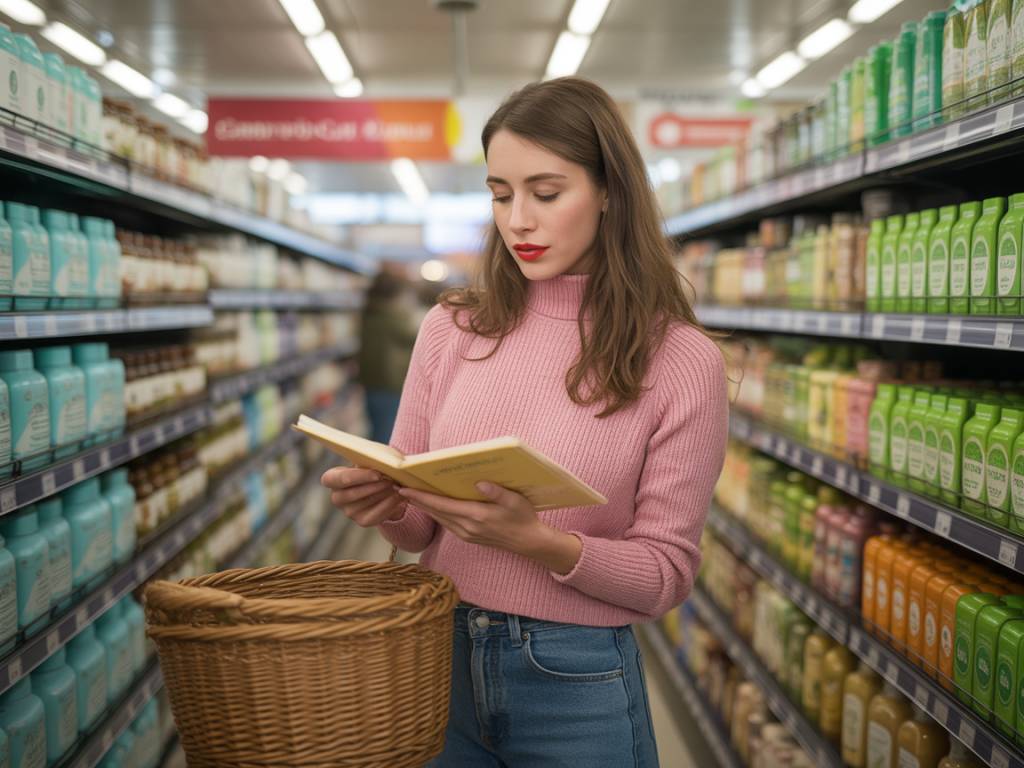
“Natural”, “organic”, “ethical”, “sustainable”, “eco-friendly”… By the time you’ve finished reading a single yoghurt pot, your basket is still empty and your head is full.
The problem? These words don’t all mean the same thing – and some barely mean anything at all. Yet, if you care about your health, animal welfare, or the planet, the packaging is often your only guide at the supermarket.
In this article, we’ll untangle three key terms you see everywhere:
- Natural: usually about how “minimally processed” something looks or sounds (but not a legally strong term).
- Organic: a regulated label with strict rules on farming, additives and animal welfare.
- Ethical: a broader idea, often linked to people (workers), animals, and the environment.
By the end, you’ll know exactly what to look for on a label, which logos really mean something, and how to make quick, better choices even during a rushed after-work shop.
What does “natural” really mean on food packaging?
Let’s start with the word you see everywhere: natural. It sounds healthy, simple and close to the earth – but in practice, it’s often the most misleading.
In most cases, “natural” is more marketing than guarantee. In the UK, there are guidelines from the Food Standards Agency on how “natural” should be used, but it’s not a strict, independently checked certification like organic.
A few key points:
- “Natural flavouring” ≠ a handful of berries. It may be derived from natural sources, but it can still be heavily processed and concentrated in a lab.
- “100% natural” on snacks or drinks often just means no artificial additives – the product can still be high in sugar or ultra-processed.
- “Natural” isn’t about pesticides or farming methods. A “natural” cereal bar may use conventionally grown oats sprayed with synthetic pesticides.
So is “natural” useless? Not entirely – but you have to read around it.
When you see “natural” on the front, turn the pack and check:
- Ingredients list: can you recognise everything as a basic food (oats, almonds, dates, salt…) rather than a long list of additives?
- Type of sugar: is it loaded with syrups, “concentrates” or multiple sweeteners?
- Fats used: cold-pressed oils or cheap refined oils and palm oil?
In my kitchen, I treat “natural” as a mild positive only if the ingredients list supports it. If the front screams “natural” but the back looks like a chemistry project, I put it back on the shelf.
How to recognise real organic products
Unlike “natural”, organic is a legal term in the UK and EU, with strict rules on farming, additives and inspections. That’s why it’s usually the first thing I check when I want a product with fewer pesticides and better farming practices.
Organic farming standards typically mean:
- No synthetic pesticides and herbicides (with very limited exceptions).
- No synthetic fertilisers, emphasis on soil health and crop rotation.
- No GM (genetically modified) ingredients.
- Strict animal welfare rules (outdoor access, no routine antibiotics, organic feed).
- Very limited list of additives, especially in processed foods.
But because “organic” is so attractive to consumers, it’s also a prime target for clever marketing. So, how do you know if it’s truly organic and not just “organic-style” branding?
The main organic labels to trust (UK & EU)
On certified organic products, you should find at least one official organic logo. The most common for food in the UK and Europe are:
- Soil Association Organic (UK): a trusted UK organic logo with standards that are often stricter than the legal minimum.
- EU Organic Leaf: a green leaf made of stars. Indicates the product meets EU organic regulations (you may still see it on imported products).
- UK Organic Certification Bodies such as:
- OF&G (Organic Farmers & Growers)
- BDA Organic
- SAI Global
- Other approved certifiers – you’ll usually see their code near the logo.
On the back or side of the pack, look for:
- The word “organic” in the ingredients list next to each organic ingredient, or a note like “All agricultural ingredients are organically produced*”.
- A certifier code (for example: “GB-ORG-05”) and the certifying body’s name.
If you only see earthy colours and leaves on the packaging but no clear organic logo or certifier, it’s probably just “green” branding, not organic.
Natural vs organic: a quick comparison
Here’s how I compare them in practice when shopping:
- Health and farming practices: organic wins. You have clear limits on pesticides, fertilisers and additives. “Natural” doesn’t promise any of that.
- Processing: “Natural” may indicate fewer artificial additives, but you still have to check. Organic processed foods can still be biscuits and crisps – organic sugar is still sugar.
- Trust: organic is independently certified and inspected. “Natural” is mostly self-declared by the brand.
If budget is tight, I prioritise organic for the products where pesticides and farming methods matter most, for example:
- Tea, coffee and chocolate (often from far away, pesticide-heavy crops).
- Animal products: eggs, dairy, meat when you buy them.
- Thin-skinned fruits and veg (berries, salads, apples, grapes).
For other products, I sometimes choose “natural” options only when backed by a short, clean ingredient list.
What does “ethical” mean when you’re shopping?
“Ethical” is even broader than “organic”. It can cover:
- How workers are treated and paid.
- How animals are raised.
- How the environment is protected.
- How transparent the brand is about all this.
Because it’s so broad, lots of brands use “ethical” words without clear proof. You’ll see phrases like:
- “Responsibly sourced”
- “Sustainably harvested”
- “Fairly traded”
On their own, these words don’t mean much. What matters is whether they are backed by a specific, verifiable label or certification, or at least detailed information about what the brand actually does.
Key ethical and fair-trade labels to know
Depending on the product, different logos can guide you. Some of the most common on food and drinks are:
- Fairtrade: focuses on better prices, decent working conditions, and fairer terms for farmers in developing countries. Common on coffee, chocolate, sugar, tea, bananas.
- Rainforest Alliance: looks at environmental protection, biodiversity and some social standards. You’ll see a little frog logo on some coffee, tea, cocoa and bananas.
- Fair for Life or other fair trade certifications: similar goals to Fairtrade, sometimes used by smaller or more niche brands.
- Certified B Corporation (B Corp): not specific to food, but some food brands have it. It indicates the company meets certain standards of social and environmental performance, transparency and accountability.
None of these labels are perfect – no label is. But they do mean someone independent has checked that conditions are better than the usual minimum.
When I buy coffee, for instance, my ideal combo is:
- Organic + Fairtrade (or similar fair trade label): cleaner product for me, better deal for growers.
- Short, transparent supply chain: some roasteries even name the cooperative or region on the pack.
If the choice is between:
- a cheap coffee with a “sustainably sourced” claim but no label, and
- a slightly pricier coffee with Fairtrade or Rainforest Alliance,
I know which one supports a more ethical system, even if it costs a little more.
How to decode a label in under 30 seconds
You don’t have 10 minutes per product to research farming standards in the supermarket aisle. So here’s a quick routine you can follow, almost on autopilot.
Step 1: Front of pack – spot the big claims
- Notice words like “natural”, “organic”, “ethical”, “sustainable”, “no nasties”, “clean”.
- Look for logos: Soil Association, organic leaf, Fairtrade, Rainforest Alliance, B Corp, etc.
Step 2: Turn the pack – confirm the claims
- For organic: check for an official organic logo and a certifier code (e.g. “GB-ORG-XX”).
- For ethical: is there a clear label (Fairtrade, Rainforest Alliance) or just vague wording?
- For “natural”: read the ingredients list. Is it short and recognisable, or ultra-processed?
Step 3: Ask yourself three quick questions
- “Does the back of the pack support what the front promises?”
- “Is there at least one independent logo to back up the claim?”
- “If not organic/fair, is this still the simplest, least processed option in its category?”
If the answer to all three is no, it goes back on the shelf.
Where to prioritise natural, organic, and ethical in your basket
Most of us shop with a budget and a time limit. So where does it make the biggest difference to choose organic or ethical – and when is “simple and natural” enough?
Good candidates for organic (health + environment):
- Tea, coffee, chocolate, cocoa: long supply chains, often pesticide-heavy crops; organic + Fairtrade-type labels are a strong combination.
- Eggs and dairy: organic standards directly impact animal feed, outdoor access and medication use.
- Thin-skinned fruit and veg (berries, apples, grapes, leafy greens): more exposed to pesticide residues.
- Baby and toddler food: less room for additives and pesticide residues in very small bodies.
Good candidates for “ethical” labels (people + environment):
- Chocolate, coffee, sugar, bananas: powerful leverage on farmer incomes.
- Tea and herbal infusions: especially from large estates.
- Some nuts and dried fruits: often grown in regions with challenging working conditions.
Good candidates for “simple and natural” choices (if organic not accessible):
- Breakfast cereals and granola: choose versions with whole grains, nuts and seeds, minimal sugar, no artificial flavours – even if not organic.
- Snacks: instead of “natural” flavoured bars with a long list of ingredients, go for basics: plain nuts, seeds, dried fruit, oatcakes.
- Drinks: choose water, plain tea, coffee, or simple juices over “natural” soft drinks with lots of sugar and “natural flavourings”.
Think of it as building a hierarchy: some products are worth paying extra for organic + ethical labels, others are fine if you keep them simple and minimally processed.
Red flags: when “green” words hide a not-so-green product
Certain phrases always make me suspicious, especially when the ingredients list tells a different story.
Watch out for:
- “All natural” on very sweet, very processed foods (soft drinks, sweetened yoghurts, dessert pots). Sugar is “natural” too, but that doesn’t make it healthy in large quantities.
- “Organic style”, “natural style”, “farmhouse”, “country-style”: these are just branding words, not certifications.
- Green leaves, kraft paper packaging, earthy colours with no actual mention of certification or specific practices.
- Vague sustainability claims such as “kind to the planet” without any explanation or label.
Whenever you see these, ask: “What exactly do they mean – and who has checked it?” If there’s no clear answer on the pack or the brand’s website, it’s probably just marketing.
How to ask better questions (and get better products)
One of the most powerful tools we have as shoppers is simply: asking.
At your local shop, café, or market, you can ask questions like:
- “Is this coffee organic or Fairtrade?”
- “Do you know where these eggs come from?”
- “Are these vegetables from a local farm?”
Online, check the brand’s website:
- Do they clearly list their certifications and who audits them?
- Do they explain their farming or sourcing practices with specifics (names of farms, regions, co-operatives)?
- Do they acknowledge what they’re still working on, rather than claiming to be perfect?
A genuinely responsible brand usually has more detail than slogans. If all you see are big green buzzwords and no substance, that’s a sign.
Bringing it all together in everyday life
You don’t need to overhaul your entire pantry in a week. Start with a few simple habits and products you buy often.
- Pick one category to “upgrade” this month: maybe your daily coffee, your weekly eggs, or your usual chocolate.
- Next time you shop, apply the 30-second label check to three products in your basket.
- Keep a mental “priority list” of items where organic + ethical really count for you (health, taste, animal welfare, climate… your choice).
- Swap strategically: if you spend a little more on organic eggs, perhaps you choose simpler, less branded snacks to balance the budget.
Over time, these small decisions add up – not just for your own wellbeing, but for the farmers, soils, animals and ecosystems behind your food. And the more you understand the difference between “natural”, “organic”, and “ethical”, the harder it becomes for vague marketing to fool you.
Next time you’re standing in front of a wall of yoghurts or coffee packs, you’ll know exactly what to look for: clear labels, proof of practice, and ingredients that match the promise on the front. That’s how real change starts – one basket at a time.