


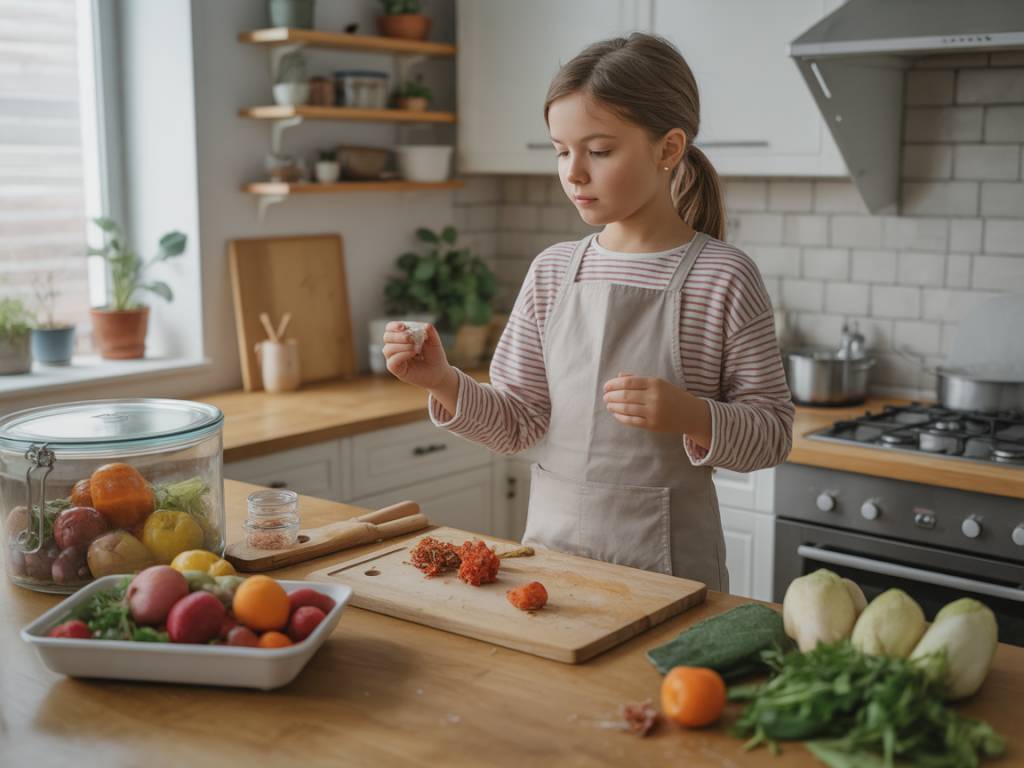
If there’s one thing I’ve learned after years spent between markets, restaurant kitchens and home fridges, it’s this: most food waste doesn’t come from “bad intentions”, it comes from small disorganised habits. The good news? Small organised habits can fix a lot of it – without turning your kitchen into a second job.
In this article, we’ll look at how to waste less by cooking more creatively and storing food more intelligently. Think of it as a practical toolbox: simple systems, flexible recipes and clear storage rules you can start using this week.
Why food waste starts in the fridge, not in the bin
Before we talk recipes, let’s be honest: food waste begins bien avant the trash bag. It starts when we:
- Buy “just in case” instead of “just enough”
- Forget what we already have at home
- Don’t know how to store food properly, so it spoils faster
- Don’t have a plan for leftovers or “ugly” vegetables
So the aim is not to become a perfect zero-waste hero overnight. The goal is to reduce the “avoidable waste”: tired salad, half jars forgotten at the back, leftovers we meant to eat but never did. And that happens with two levers:
- Creative cooking: learning to transform “bits and bobs” into meals you actually want to eat
- Smart storage: keeping food fresh for longer and making it visible, so it gets used
Let’s start with a simple step: knowing what you really throw away.
First step: get to know your own waste
Every home has its “usual suspects”. For some, it’s herbs going slimy. For others, it’s yogurts that pass their date or bread that turns into stone.
For one week, try this mini audit:
- Place a small bowl or container next to your bin or compost
- Each time you throw away edible food (or food that was edible at some point), note it down on a sheet or in your phone
- At the end of the week, look for patterns: what comes up again and again?
Typical patterns I see in coaching clients:
- Leafy greens that wilt
- Herbs and salad bags half-used
- Half-used jars (pesto, sauces, cream, hummus)
- Cooked rice/pasta in too large quantities
- Bread and bakery items
Why start here? Because your actions will be more efficient if they target your real weak spots. If you always waste salad, there’s no point obsessing over potato peels first. We’ll get to peelings later.
Smart fridge: where and how you store food really matters
Most fridges are organised by habit, not by logic. We put things where they fit, not where they stay fresh. A few simple rules can easily add 2–3 days of life to many foods.
1. Know your fridge “climate zones”
- Top shelves (more stable temperature): leftovers, cooked foods, dairy
- Middle shelves: ready-to-eat items (yogurts, open jars, dips, prepared salads)
- Bottom shelf (often coldest): raw meat and fish, well wrapped, on a tray
- Drawers: fruits and vegetables (we’ll refine that in a second)
- Door (warmest area): condiments, jams, sauces, juices – not milk or eggs if your kitchen is very warm
2. Create an “Eat Me First” box
This one habit has saved more food in my kitchen than any other.
- Take a shallow box, tray or basket and place it on a visible shelf (eye level)
- Label it clearly: “Eat Me First” or “To Use Today”
- Put inside everything that needs attention in the next 1–2 days: half onions, open hummus, the last two yogurts, that almost-tired cucumber
- When you cook or snack, always check this box first
It removes the mental load of remembering dates: if it’s in the box, it goes first.
3. Treat herbs and salads like flowers
Most herbs don’t like to be suffocated in plastic. Two easy methods:
- Soft herbs (parsley, coriander, dill, mint):
- Trim the ends
- Place them in a glass with a little water like a bouquet
- Cover loosely with a reusable bag and store in the fridge
- Salad leaves / spinach / rocket:
- Line a box with a dry cloth or paper towel
- Add the leaves, slightly dry if washed
- Cover and store in the fridge; change the cloth if it gets too wet
This alone can double their lifespan.
4. Keep ethylene “gassers” away from sensitive produce
Some fruits release ethylene, a gas that speeds up ripening. The classics: apples, pears, bananas, avocados, tomatoes, kiwis.
Keep them away from:
- Leafy greens
- Broccoli and cauliflower
- Cucumbers and courgettes
- Fresh herbs
If your salad constantly wilts, check what is stored next to it.
The freezer: your best anti-waste ally (if used wisely)
Too often, the freezer is a cemetery for good intentions: mystery boxes, unlabeled bags, things that nobody wants to defrost. Used intentionally, it becomes your insurance against waste.
1. Label everything, always
- Write three things on each container or bag:
- What it is (“Leek soup”, “Grated cheese”, “Banana chunks”)
- Date
- Quantity or number of servings (optional but helpful)
This helps you actually use what you freeze, instead of fearing it.
2. Freeze in “ready-to-use” formats
- Herbs: chop and freeze in ice cube trays with a bit of olive oil or water; once frozen, unmould into a bag
- Ginger, turmeric, chilies: freeze whole; grate or chop from frozen directly into your dish
- Bread: slice before freezing; you can toast slices straight from frozen
- Cooked beans or lentils: freeze on a tray, then bag; you can grab a handful for soups or salads
- Tomato paste: freeze in teaspoons or small portions, then into a box
3. Think “ingredients”, not just leftovers
You can freeze many fresh foods that are about to turn:
- Very ripe bananas → peeled, sliced; perfect for smoothies, banana bread or pancakes
- Tired berries → freeze for compotes or porridges
- Leftover wine → pour into ice cube trays for deglazing pans later
- Grated cheese ends → mix and freeze for gratins or pizzas
Pantry power: store dry goods so they’re used, not forgotten
Many cupboards hide “food fossils” from 2017. The problem isn’t the food itself, it’s visibility.
1. Transparent containers, at eye level
- Transfer regularly used dry goods (rice, lentils, oats, pasta) into glass jars or transparent boxes
- Label with:
- Name
- Cooking time (if not obvious)
- Keep them at eye level, not lost at the back
2. First In, First Out (FIFO)
A simple rule from professional kitchens:
- New items go to the back; older ones come to the front
- When you open a new pack, move any older pack in front so it is finished first
It takes five seconds when unpacking your shopping and saves you throwing out expired packets later.
Turn “random leftovers” into deliberate meals
Now, the fun part: creative cooking. Instead of thinking “I have nothing to cook”, try “What base recipe could adapt to what I have?”
Here are a few flexible “framework recipes” I use constantly, both at home and in workshops. You don’t need to follow them to the gram; they’re designed to absorb what’s in your fridge.
1. The fridge-clearing frittata
Perfect for: leftover roasted vegetables, odds of cheese, bits of cooked potatoes, herbs.
- Whisk 6–8 eggs in a bowl with a splash of milk or plant milk
- Add:
- 2–3 cups of chopped leftover vegetables (cooked or quickly sautéed)
- Any cheese scraps (grated, crumbled, cubed)
- Herbs, wilted spinach, cooked onions, etc.
- Season well, pour into an ovenproof pan or dish, bake at 180°C until set
Cold frittata makes a great lunchbox option the next day, which again reduces waste.
2. “Everything” fried rice or grain bowl
Perfect for: leftover rice, quinoa, bulgur, roasted vegetables, the last two spoonfuls of peas.
- Sauté garlic, ginger or onion in a bit of oil
- Add chopped leftover vegetables (cooked or raw), small pieces of protein if you have it (tofu, chicken, beans)
- Add your cold cooked rice or grains; stir-fry until hot
- Season with soy sauce, miso, or a splash of vinegar and a drizzle of sesame oil
It’s forgiving, quick and ideal for using “just a bit of” many things.
3. Herb stems pesto
Soft herb stems are full of flavour but often end up in the bin.
- Keep the stems from parsley, coriander, basil, etc. in a container in the fridge or freezer
- When you have a good handful, blend with:
- Nuts or seeds (almonds, walnuts, sunflower seeds)
- Garlic
- Olive oil
- Salt, pepper, lemon juice
- Adjust the texture with water or more oil; freeze in small portions
This kind of pesto is great on pasta, roasted vegetables or in sandwiches.
4. Soup stock from “clean” vegetable scraps
Not all scraps are equal, but many are perfect for broth:
- Keep in a freezer bag:
- Onion and shallot skins
- Leek greens (well washed)
- Carrot and parsnip peels (washed, not bitter)
- Celery leaves and ends
- When the bag is full:
- Tip the contents into a pot, cover with water
- Add salt, pepper, bay leaf, herbs
- Simmer 45–60 minutes, strain, then freeze the stock in portions
You’ll reduce waste and always have stock ready for soups, risottos and sauces.
5. Sweet rescue: compotes and crumbles
For fruits that are past their “perfect Instagram moment” but still good:
- Slice bruised apples, pears, plums, peaches, etc. (remove damaged parts)
- Cook gently with a splash of water and a bit of sugar or honey, plus spices (cinnamon, vanilla, cardamom)
- Use as:
- Breakfast topping for porridge or yogurt
- Filling for a quick crumble with oats, flour, butter (or oil) and sugar
Kids usually love this, which helps them embrace the idea that “ugly doesn’t mean bad”.
Demystifying dates: “use by” vs “best before”
A large part of edible food is thrown away because of confusion about date labels.
“Use by” dates (often on meat, fish, fresh ready meals):
- Food safety marker
- Respect these dates, especially for animal products
- If you’re close to the date and won’t eat it → freeze it (before the date)
“Best before” dates (often on dry, canned or frozen goods):
- Quality marker, not a safety one
- After this date, the product may lose flavour, texture or nutrients, but is often still perfectly safe
- Use your senses: look, smell, taste a tiny bit
Example: plain yogurt is often fine several days after the “use by” date if it has stayed properly refrigerated and the lid is intact. Legally, I can’t tell you to ignore labels, but practically, learning to trust your senses helps you make informed decisions.
Plan just enough: light meal planning that still leaves room for creativity
Meal planning doesn’t need to be a colour-coded spreadsheet. A simple, flexible approach can already prevent a lot of food waste.
1. Start from what you already have
- Before shopping, do a 3-minute “fridge scan”:
- What vegetables need using first?
- Any open jars or dairy that should be finished?
- Which proteins (meat, tofu, beans) are defrosted or close to their date?
- Decide on 2–3 meals around those ingredients first
2. Plan by category, not by precise recipes
Instead of fixing ten detailed recipes for the week, try this:
- 1 soup or stew (for 2 nights or 1 night + lunches)
- 1 “fridge-clearing” dish (frittata, stir-fry, grain bowl)
- 1 quick pasta or grain meal
- 1 “fun” recipe you want to try
This gives you a framework without trapping you. The “fridge-clearing” slot is where you use whatever accumulates.
3. Buy “base ingredients” that connect your leftovers
Certain foods help turn anything into a meal:
- Eggs
- Onions, garlic, lemons
- Frozen peas or spinach
- Canned tomatoes and coconut milk
- Plain yogurt
With these on hand, you can rescue a lot of “orphans” in your fridge.
Make it a family (or housemates) habit
If you share your kitchen, reducing food waste works better when everyone plays along.
- Label leftovers clearly: what it is + date; people are more likely to eat “Lentil curry – Tuesday” than “mystery box”
- Agree on a leftover night once a week: all small portions on the table, maybe with a big bowl of rice or salad; everyone picks
- Teach kids the basics: which box is “Eat Me First”, how to store bread, how to freeze bananas for smoothies
- Create a “free to eat” shelf if you live with housemates so things don’t get abandoned
Small habits, big impact: choose 3 to start this week
Trying to change everything at once is the best way to change nothing at all. Instead, pick just three new habits to experiment with this week. For example:
- Set up an “Eat Me First” box in your fridge
- Start a freezer bag for vegetable scraps to make stock
- Cook one flexible “fridge-clearing” dish (frittata, fried rice, soup) before shopping again
Next week, you might add:
- Freezing overripe bananas instead of throwing them away
- Storing herbs in a glass of water in the fridge
- Doing a quick “what needs using?” scan every Sunday night
Bit by bit, you’ll notice your bin or compost filling up less quickly. Your food budget will stretch further. And your cooking will probably become more inventive – because using what you have is the most creative form of cooking there is.
Most importantly, you’ll have built kitchen habits that support both your health and the planet, without adding complexity to your everyday life. That, to me, is what truly sustainable eating looks like.