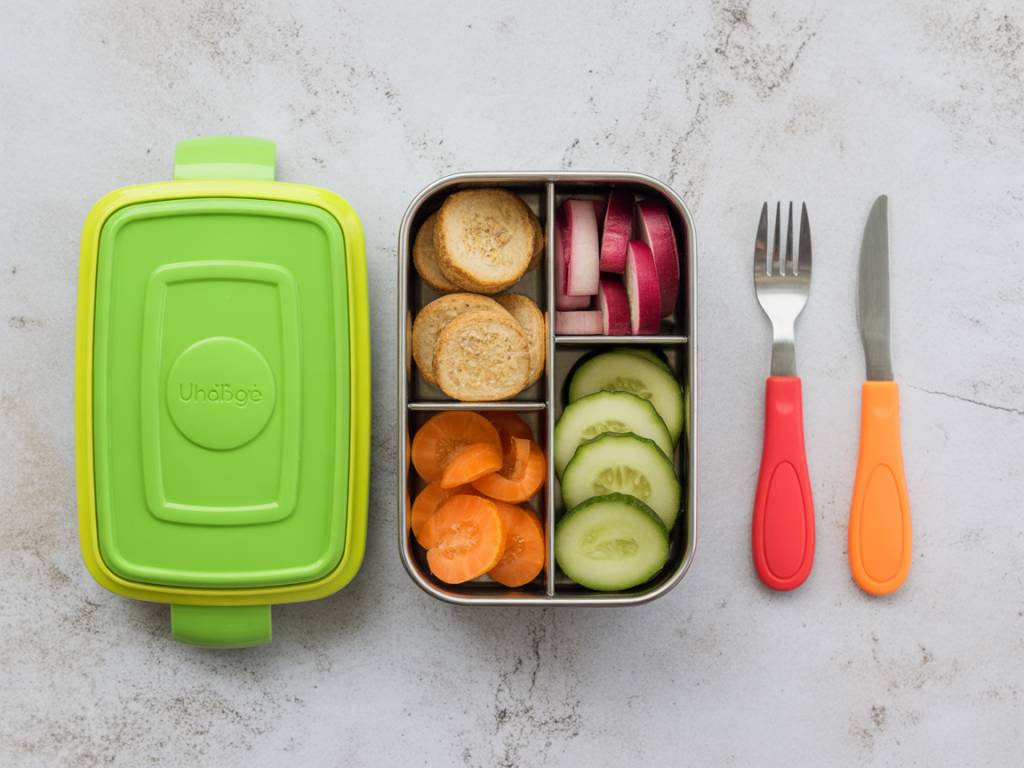

Feeding a family organic food every day can feel like a full-time job. You want meals that are healthy, made from real ingredients, and enjoyed by everyone around the table – but you also need to get out the door in the morning and sleep at night. The good news: planning organic family meals doesn’t have to mean cooking complicated recipes or spending hours in the kitchen.
In this guide, I’ll walk you through a simple, realistic way to plan organic meals that work on busy weekdays, respect your budget, and still leave room for treats. Think more “repeatable system” than “Pinterest-perfect menu”.
Start with your real week, not with recipes
Most meal plans échouent because they ignore how you actually live. Before choosing a single recipe, grab a pen and your calendar.
Ask yourself:
- Which evenings are truly busy? (late work, kids’ activities, gym, etc.)
- Which evenings are slower? (weekends, days off, work-from-home days)
- How many meals will you eat at home? (lunches included?)
- Who’s cooking which day? (if you share the kitchen)
Then assign each day a “cooking energy level”:
- Low energy: 10–15 minutes max, minimal dishes
- Medium energy: 25–35 minutes, simple prep
- High energy: 45–60 minutes, batch cooking or a new recipe
This becomes your framework. For example:
- Monday: low (late work)
- Tuesday: medium
- Wednesday: low (kids’ activities)
- Thursday: medium
- Friday: high (more time, maybe cooking together)
- Saturday: high (batch cooking + a nice dinner)
- Sunday: medium (simple, comforting)
Now you’ll choose meals that fit the reality of your week instead of forcing restaurant-level cooking into a 20-minute window between homework and bath time.
Build a 10–meal “organic family favourites” list
Forget planning 30 brand-new dinners each month. What works long term is having a small rotation of reliable, flexible meals that you can vary with seasonal organic produce.
Start a list of 10 simple meals your family already enjoys that can be made mostly or entirely with organic ingredients. Aim for:
- 3 pasta or grain-based meals (e.g. wholegrain pasta, brown rice, quinoa)
- 3 one-pan or traybake meals (sheet pan veg + protein, stews, curries)
- 2 quick “emergency” meals (omelettes, quesadillas, soup + toast)
- 2 “weekend-style” meals (homemade pizza, roast chicken, big salad bar)
For each meal, note next to it:
- Which parts you usually buy organic (pasta, veg, eggs, dairy, meat)
- What can be prepped in advance (sauce, chopped veg, cooked grains)
- Any easy variations (swap carrots for courgettes, chickpeas for lentils, etc.)
Here’s an example of how this list might look:
- Wholewheat pasta with organic tomato & veg sauce – organic passata, onions, carrots, courgettes, grated cheese. Prep double sauce on Sunday.
- Traybake chicken with root veg – organic chicken thighs, carrots, potatoes, onions, herbs. 10 minutes prep, then oven does the work.
- Vegetable & lentil curry – organic lentils, seasonal veg, coconut milk, brown rice. Make extra for the freezer.
- Veggie omelette + salad – organic eggs, leftover veg, salad leaves, sourdough toast. 15 minutes start to finish.
- Homemade pizza night – organic flour, tomato sauce, cheese, veg toppings, maybe some organic charcuterie.
Once you have this list, meal planning becomes: “Which 5–6 of these are we eating this week?” instead of “What on earth are we having for dinner?”
Decide where organic matters most for your family
Going 100% organic overnight isn’t realistic for most households. Instead, be strategic. Focus your organic budget on what your family eats often and what carries the biggest potential pesticide load or ethical impact.
As a practical rule of thumb, many families choose to prioritise organic for:
- Dairy (milk, yoghurt, butter, cheese) – animals tend to be better treated; fewer residues in high-consumption foods.
- Eggs – organic + free range often means better welfare, outdoor access, and controlled feed.
- Meat & poultry – lower antibiotic use, regulated feed, and generally higher welfare standards.
- Fruit and veg you eat with the skin – berries, apples, grapes, peppers, cucumbers, etc.
- Staple grains for kids – oats, breakfast cereals, rice they eat daily.
From there, adapt to your reality. If your budget is tight, you might choose organic milk, eggs, and a weekly organic chicken, but go conventional for less frequently eaten items.
If you’re shopping in the UK, look for trusted labels on pack such as:
- Soil Association Organic – strict standards on pesticides, animal welfare and additives.
- EU organic leaf logo – guarantees European organic regulation compliance.
Use labels as anchors: once you’ve identified 5–10 organic “musts” for your family, planning meals around them becomes much easier.
Build an organic-friendly pantry that works hard
A well-stocked pantry removes 80% of the stress of weekday cooking. It’s also where organic can shine without exploding your budget, because dry goods keep for months.
Here’s a compact organic pantry starter list that supports a huge variety of family meals:
- Grains & pasta: wholewheat pasta, brown rice, quinoa or bulgur, rolled oats
- Legumes: red lentils, green/brown lentils, chickpeas, mixed beans (tinned or dried)
- Tinned & jarred: chopped tomatoes, passata, tomato puree, coconut milk, sweetcorn
- Basics & baking: plain flour, wholemeal flour, baking powder, sugar or honey, stock cubes
- Oils & condiments: extra-virgin olive oil, neutral cooking oil, vinegar (apple cider or wine), mustard, soy sauce or tamari
- Herbs & spices: garlic powder, onion powder, mixed herbs, oregano, cumin, paprika, curry powder
With this base, adding a few fresh organic vegetables and a protein (eggs, lentils, chicken) becomes enough for at least 4–5 different dinners without much thought.
Tip from my own kitchen: keep a small whiteboard or notebook stuck inside a cupboard. When you open the last pack of organic pasta or oats, write it down immediately. This tiny habit prevents those “we have nothing to eat” evenings.
Use a simple 3-step weekly planning routine
Once a week – I like Friday evening or Saturday morning – sit down for 15–20 minutes and follow this sequence:
1. Check your fridge, freezer and pantry
- What needs using first? (softening veg, open packs of cheese, leftover chicken)
- Which organic items do you already have that can form the base of meals?
- Any freezer treasures? (soup, cooked beans, frozen veg)
Write these down. Plan to use your “at-risk” items in the first 2–3 days of the week to minimise waste.
2. Place 5–6 dinners into your week grid
Using your “energy level” calendar and your 10-meal favourites list, match meals to days. For example:
- Monday (low): Veggie omelette + salad (organic eggs, leftover veg)
- Tuesday (medium): Lentil & veg curry + brown rice
- Wednesday (low): Wholegrain pasta with quick tomato & spinach sauce
- Thursday (medium): Traybake chicken with carrots & potatoes
- Friday (high): Homemade organic pizza night
Leave one evening flexible for leftovers or a very simple meal (soup + toast, sandwiches, or a “snack plate” dinner of cut veg, hummus, cheese, fruit and crackers).
3. Create a focused shopping list
Now that you know what you’re cooking, your shopping list becomes targeted:
- Group by category: fruit & veg, dairy, proteins, pantry, “optional treats”.
- Mark what should be organic (circle or star items).
- Check what you can buy from a local organic farm shop, box scheme or market vs the supermarket.
This 3-step routine sounds simple, but once it becomes a habit, it dramatically reduces last-minute stress and impulse buys.
Make batch cooking your quiet ally
Batch cooking doesn’t mean spending your entire Sunday in the kitchen. Think in terms of “building blocks” you can cook once and reuse 2–3 times during the week.
Here are some organic-friendly building blocks to prepare in advance:
- Cooked grains: a big pot of brown rice or quinoa (keeps 4 days in the fridge). Use as a side, in salads, or in stuffed veg.
- Roasted vegetables: trays of carrots, onions, peppers, courgettes, beetroot. Add to pasta, omelettes, wraps, grain bowls.
- Basic tomato sauce: large batch with onions, garlic and grated carrots. Freeze in portions. Becomes pasta sauce, pizza base, or shakshuka.
- Cooked beans or lentils: cheaper organic dried pulses cooked in bulk and frozen in portions.
- Chicken or veg stock: from a weekend organic roast or veg scraps. Freeze in ice cube trays.
Plan 1–2 “batch blocks” per week, not more. For example, on Saturday you might roast a tray of organic vegetables and cook a pot of lentils while you’re already in the kitchen. Those two elements will save you at least two evenings of prep.
Get the family involved to boost acceptance
Children (and many adults) are much more likely to eat something they’ve helped choose or prepare. You don’t need to turn them into sous-chefs; just give them small, real responsibilities.
Some ideas that work well:
- Let kids choose “their” veg of the week from a limited list: “This week we can pick two organic veg: carrots, broccoli, peas or peppers – what shall we go for?”
- Assign one “helper night” per child – stirring sauce, tearing salad leaves, washing potatoes, grating cheese.
- Create a “yes plate” rule – one familiar food + one food they’re not sure about. Tiny portions are fine; exposure matters more than quantity.
- Serve components separately when needed – instead of a complex mixed dish, offer rice, beans, veg and sauce in separate bowls so each person builds their plate.
When introducing new organic ingredients (like wholegrain pasta or lentils), start by mixing them into familiar dishes: half white, half wholegrain pasta; lentils added to a favourite Bolognese, etc. This gentle transition is easier on taste buds than a sudden total change.
Sample 3-day organic-friendly family menu
To show how all of this comes together, here’s a realistic 3-day plan using many of the principles above. Adjust portions and ingredients to your family’s tastes.
Day 1 – Busy weekday (low energy)
- Dinner: Organic veggie omelette, mixed salad, wholemeal toast
- Organic focus: eggs, salad leaves, bread
- Prep tips: Use leftover roasted veg or quickly sauté frozen peas and chopped peppers. Let kids sprinkle cheese or tear salad leaves.
Day 2 – Medium energy
- Dinner: Lentil & vegetable coconut curry with brown rice
- Organic focus: lentils, coconut milk, spices (optional), main veg
- Prep tips: Cook double rice; save half for Day 3. Use whatever organic veg you have: carrots, spinach, sweet potato, cauliflower.
Day 3 – Medium energy
- Dinner: “Build-your-own” rice bowls
- Base: leftover brown rice (reheated with a splash of water)
- Toppings ideas: roasted veg from the weekend, cooked beans or leftover chicken, grated carrots, sweetcorn, cucumber, a simple yoghurt or tahini sauce
- Organic focus: dairy (yoghurt), veg, any meat you use
- Family trick: Put all toppings in small bowls and let everyone assemble their own bowl – particularly effective with selective eaters.
Small habits that keep stress low
Once your basic system is in place, it’s the tiny habits that keep everything ticking along smoothly.
Here are a few that I’ve seen work consistently in families I’ve coached:
- Repeat a themed night each week: “Pasta Tuesday”, “Soup Wednesday”, “Pizza Friday”. The theme stays, ingredients rotate with what’s in season and on offer.
- Wash and prep just 1–2 veg after shopping: for example, peel and slice carrots into sticks, wash salad leaves and spin them dry. You’re far more likely to use what’s ready to grab.
- Double one recipe a week: if you’re making chilli, curry or soup, double it and freeze half. Future you will be very grateful.
- Keep a “use me first” box in the fridge: anything that’s close to its best-before date goes in there. Start your meal planning from that box.
- Accept shortcuts when you need them: organic frozen veg, pre-washed salad, or good-quality organic jars of sauce are tools, not failures.
Planning organic family meals isn’t about perfection. It’s about creating a simple structure that supports you, then bending it when life inevitably gets messy.
Start small this week: pick 5–6 favourite meals, choose where organic matters most for your family, and try the 3-step planning routine once. With each week, you’ll refine, adjust, and, without really noticing, your kitchen will become a place where organic, everyday food feels not only possible, but pleasantly easy.