


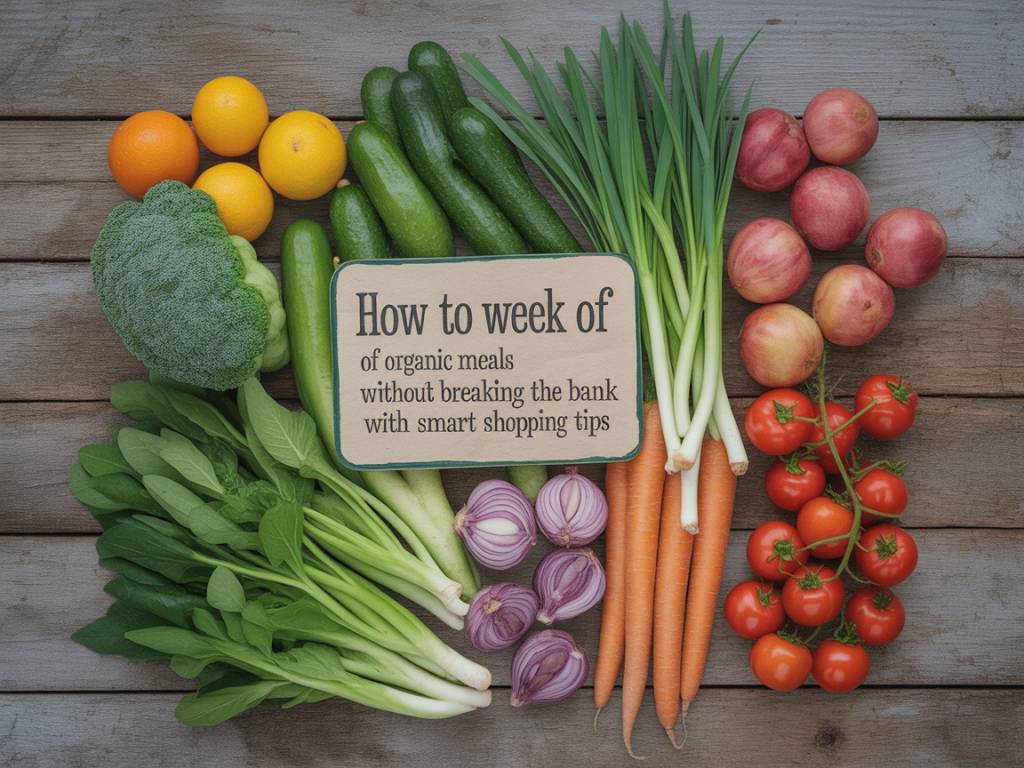
Why organic doesn’t have to mean “expensive”
If you’ve ever pushed a trolley past the organic aisle and thought, “I’d love to, but my budget says no”, you’re not alone. The truth is: eating organic on a budget isn’t about buying everything with a green label. It’s about planning smart, choosing your battles, and letting simple, flexible recipes do most of the work.
In this article, I’ll walk you through how to plan a full week of organic meals without blowing your budget: what to prioritise, how to shop, and a sample 7‑day menu using affordable organic staples. Nothing compliqué, just pragmatic steps you can apply on your next shop.
Start with priorities, not perfection
Most of us can’t afford a 100% organic basket all the time. And that’s fine. What matters is where you put your effort — and your pounds.
When I work with families on food budgets, we start here: which organic swaps will have the biggest impact on health and environment, for the least extra cost?
1. Focus on “everyday” products first
These are the foods you eat daily or several times a week. Making these organic has more impact than buying organic niche items you only use occasionally.
- Milk and dairy (if you consume them daily)
- Eggs
- Oats, rice, pasta and other dry staples
- Cooking oils (olive, rapeseed, sunflower)
- Tea and coffee
Organic versions of these are often only slightly more expensive, especially in store brands or larger packs.
2. Use simple rules instead of memorising lists
You may have heard of “dirty dozen” lists. They vary by country and year, so instead of relying on a fixed ranking, use these practical rules of thumb when the budget is tight:
- Prioritise organic for thin-skinned fruits and veg eaten with their skin: berries, apples, grapes, leafy greens, peppers.
- Be flexible with non-organic for produce you peel: bananas, citrus, onions, avocados.
- Buy organic animal products when possible: this often means better feed quality and farming conditions.
3. Don’t chase every label – understand the main one
Look for a recognised organic certification (like the Soil Association or EU organic leaf logo). This guarantees:
- No synthetic pesticides or herbicides on crops
- Limited and controlled additives in processed products
- Stricter welfare rules for animals
Ignore marketing terms that sound “green” but aren’t regulated (“natural”, “farm fresh”, “pure”). They don’t tell you anything reliable about production methods.
Build your week around cheap organic staples
The fastest way to overspend is to plan a menu around recipes, then try to buy exactly those ingredients organic. I prefer the reverse: start from what’s cheap and available organic, then build meals around those.
Affordable organic staples to put on repeat:
- Dry goods: oats, rice, wholemeal pasta, lentils, chickpeas, beans
- Frozen veg: peas, spinach, mixed veg, sweetcorn
- Tinned tomatoes & pulses: a base for endless soups, sauces and curries
- Eggs: one of the best value organic proteins
- Seasonal veg: carrots, cabbage, onions, potatoes, squash — often very affordable organic
- Plain yoghurt: cheaper and more versatile than flavoured pots
Once these are in your cupboard, you can create 80% of your week’s meals with a few fresh additions.
Step-by-step: how to plan your organic week
Step 1 – Take inventory before you plan
Open your cupboards, fridge and freezer and quickly list what you already have. You’re looking for three categories:
- Proteins: eggs, pulses, tofu, leftover chicken, cheese
- Carbs: rice, pasta, potatoes, oats, bread
- Veg & fruit: anything fresh, frozen or tinned
Planning from what you already own is the most effective anti-waste, anti-overbudget habit you can adopt.
Step 2 – Choose 3–4 “base” proteins for the week
To keep costs down, repeat ingredients across several meals. For example, you might choose:
- Organic eggs
- Organic chickpeas (dry or tinned)
- Organic natural yoghurt
- A small amount of organic chicken thighs or minced meat (optional)
These will appear in different forms: frittata, chickpea curry, yoghurt sauces, a traybake… Less variety in ingredients, more variety in flavours.
Step 3 – Sketch a simple weekly grid
Take a piece of paper (or notes app) and make a 3 × 7 grid: breakfast, lunch, dinner for each day. Now the goal is not to fill in 21 separate meals. The goal is to:
- Repeat the same or similar breakfast most mornings
- Plan 2–3 batch-cooked lunches to repeat
- Plan 4–5 dinners, with leftovers filling the gaps
This simplification alone can reduce your bill and your mental load.
Step 4 – Assign your “anchor meals”
Anchor meals are the big dishes you’ll cook once and eat 2–3 times. For example:
- Lentil bolognese (two dinners + one lunch)
- Chickpea and veg curry (two dinners)
- Roasted tray of seasonal veg + chicken or tofu (one dinner + one lunch)
Place these on your grid first, leaving space for one “free” night (e.g. leftover night, omelette, or toast and soup).
Step 5 – Make your shopping list from the plan
Now list everything you need to complete these meals, and mark what must be organic for you vs what can be non-organic this week. For example:
- Organic priority: oats, eggs, milk, yoghurt, carrots, spinach, tinned tomatoes, lentils, chickpeas, coffee
- Flexible: onions, bananas, citrus, some herbs, condiments
Set a budget number before you go. If your first list goes over, adjust recipes: swap out expensive ingredients, choose cheaper veg, or reduce animal protein portions slightly and increase pulses and veg.
Smart shopping strategies to keep costs low
Buy organic where it’s cheapest by default
Some organic items are barely more expensive than conventional, especially in supermarket own-brands. These are easy wins:
- Organic oats in 1–2 kg bags
- Organic carrots and onions in larger packs
- Organic tinned tomatoes and beans (often just a few pence difference)
- Organic pasta and rice from supermarket or coop brands
Use frozen organic veg strategically
Frozen organic veg can be significantly cheaper than fresh, with minimal nutrient loss if frozen quickly after harvest. They are ideal for:
- Soups and stews
- Curry bases
- Quick side dishes
- Last-minute “add veg” when the fridge is empty
Shop the “ugly” and the end-of-day shelves
Imperfect organic produce and end-of-day markdowns are your best friends:
- Soft tomatoes? Turn them into sauce the same evening.
- Sad-looking greens? Into soup or curry they go.
- Overripe bananas? Slice and freeze for smoothies or banana bread.
Plan one flexible “clear the fridge” meal in your weekly grid so you always have a place to use up these bargains.
Choose whole ingredients over organic “convenience” foods
An organic ready meal or vegan burger can cost 3–4 times more than a home-cooked version from basic ingredients. When the label has a list of 20 ingredients, you’re usually paying for processing and packaging, not food quality.
Instead of organic cereal bars, for example, buy organic oats and make overnight oats or simple flapjacks at home. Five minutes of prep, half the price.
A sample budget-friendly organic meal plan
Here’s a realistic 7‑day plan using affordable organic basics. Portion sizes will depend on your household, but the structure is adaptable.
Core organic items for the week:
- Oats, rice, wholemeal pasta
- Eggs (1–2 dozen depending on household size)
- Tinned tomatoes (3–4 cans), lentils (dry or tinned), chickpeas
- Carrots, onions, seasonal cabbage or greens, potatoes
- Frozen peas and spinach
- Plain yoghurt, milk, basic cheese
- Cooking oil, garlic, basic herbs and spices
Breakfasts (repeat throughout the week)
- Organic porridge or overnight oats with:
- Sliced banana or seasonal fruit (doesn’t need to be organic if budget is tight)
- A spoon of peanut butter or seeds
- Cinnamon or a drizzle of honey
Batch-cook a pan of porridge on Sunday and reheat with a splash of milk, or mix jars of overnight oats to grab in the morning.
Lunches
- Lentil & veg soup (2–3 days)
Organic lentils, carrots, onions, tinned tomatoes, a handful of frozen spinach, plus spices. Serve with wholemeal bread or toast. - Leftover dinners (2–3 days)
Plan for each evening meal to serve at least one extra portion for tomorrow’s lunch.
Dinners: simple, repeated, flexible
Day 1 – One-pan roasted veg + eggs or chicken
- Organic carrots, potatoes, onions, and any seasonal veg, tossed with oil and herbs and roasted on a tray.
- Top with baked eggs (cracked into wells in the tray for the last 8–10 minutes) or pieces of organic chicken thighs.
Day 2 – Chickpea & spinach curry with rice
- Sauté onions, garlic, and spices.
- Add tinned tomatoes, organic chickpeas and frozen spinach.
- Simmer and serve with organic rice.
Make extra for lunches or another dinner.
Day 3 – Pasta with lentil bolognese
- Cook organic wholemeal pasta.
- Make a sauce from tinned tomatoes, lentils, onions, garlic, carrots (finely chopped or grated), and herbs.
- Top with a little grated cheese.
This freezes well and can stretch to two meals easily.
Day 4 – Baked frittata with leftover veg
- Beat organic eggs with a splash of milk and seasoning.
- Stir in leftover roasted veg, frozen peas, or any odds and ends in the fridge.
- Bake in a dish until set. Serve with a simple salad or sliced carrots and cabbage dressed with oil and lemon.
Day 5 – “Clean the fridge” stir-fry or fried rice
- Use leftover rice, chopped veg, and a handful of frozen peas.
- Fry with garlic, soy sauce (or tamari), and scramble an egg in if you like.
This is where those marked-down or slightly tired veg disappear happily.
Day 6 – Soup night with toast
- Turn any remaining veg into a blended soup with onions, garlic, and stock.
- Serve with toast and a spoonful of yoghurt or grated cheese on top.
Day 7 – Simple pasta or “breakfast for dinner”
- If you have leftover sauce, use it. Otherwise, toss pasta with garlic, oil, herbs and frozen peas, or
- Do omelettes with whatever veg and cheese are left.
Batch cooking and storage: your budget allies
Cook once, eat twice (or three times)
When you’re working with organic ingredients, labour is often cheaper than food. Put your energy into cooking larger portions of simple dishes and use your freezer like a savings account.
- Double the recipe for soup, curry or sauce and freeze in 1–2 portion containers.
- Slice bread and freeze so you can defrost only what you need.
- Freeze leftover cooked rice in thin layers; reheat thoroughly with a splash of water.
Store smart to avoid waste
- Keep carrots and celery in a container with a little water in the fridge to stay crisp longer.
- Put older veg in a “use first” box at the front of your fridge.
- Label leftovers with the date. If you won’t eat them within 2–3 days, freeze them immediately.
Quick swaps that make organic more affordable
Small shifts add up. Here are a few swaps I often suggest to clients who want to afford more organic items without increasing their overall bill:
- Swap breakfast cereal for organic oats.
- Swap one or two meat meals per week for lentil or bean-based dishes.
- Swap fruit juice for tap water plus a piece of whole fruit.
- Swap flavoured yoghurt pots for a big tub of plain organic yoghurt and add your own toppings.
- Swap desserts for simple fruit and yoghurt, and put the savings into better quality eggs or milk.
Making it sustainable for your real life
Organic eating on a budget isn’t about one perfect week; it’s about a slightly better basket, again and again. Start with one or two of the strategies above:
- Choose three everyday items you’ll always buy organic when possible.
- Plan just four dinners this week and rely on leftovers for the rest.
- Add one batch-cooked soup or curry to your Sunday routine.
Over time, you’ll build a small repertoire of affordable organic meals that fit your taste and schedule. And your future self — the one opening a fridge full of ready-to-reheat, home-cooked, organic meals — will be very grateful.