Why a hot drink can genuinely help you sleep
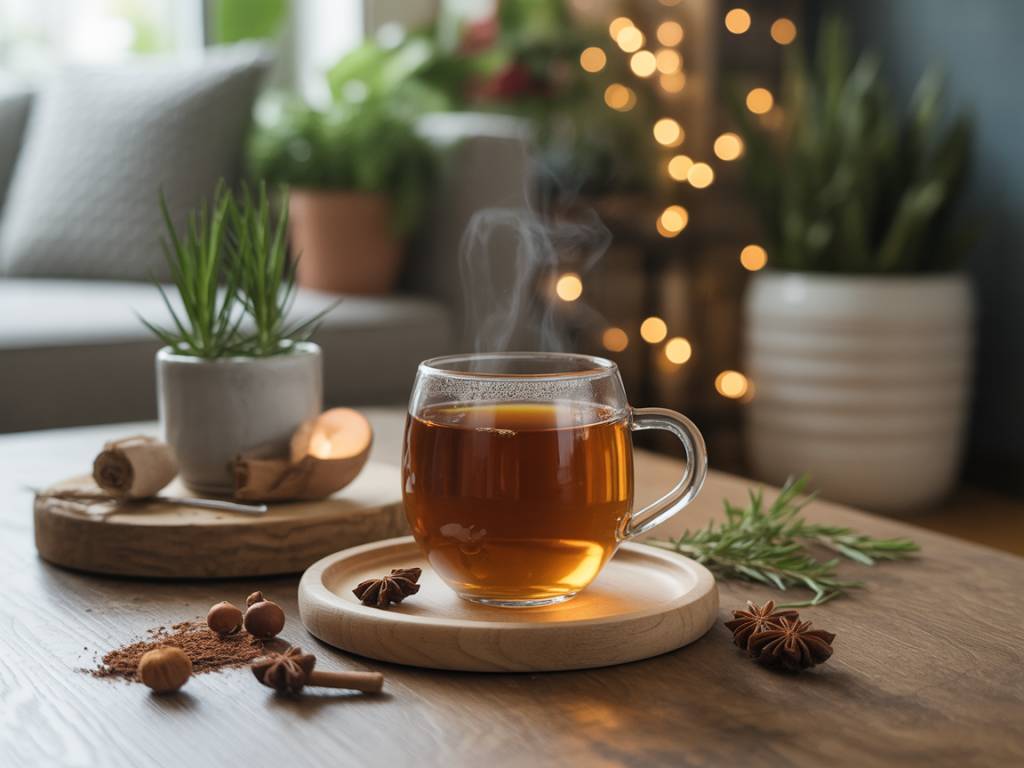
There is something very simple and very powerful about sitting down with a warm mug before bed. It’s not just “grandma’s remedy”: a gentle hot drink can support your body’s natural sleep mechanisms in several ways.
First, the ritual itself signals to your brain that the day is ending. Repeating the same sequence—kettle on, mug out, herbs infusing—helps your nervous system shift from “go mode” to “rest mode”.
Second, certain herbs and spices contain compounds that interact with the nervous system: some help reduce anxiety, others gently relax muscles or support digestion, all of which can make it easier to fall—and stay—asleep.
Finally, a warm drink slightly raises your core temperature. As your body then cools down, it can encourage drowsiness. Think of it as a soft landing for your day, instead of a full stop.
The key is to choose the right plants, prepare them properly, and keep everything as clean and organic as possible, especially for something you drink every evening.
Choosing the right organic herbs for better sleep
Here are the main herbs I recommend for a soothing, bedtime-friendly drink, along with what they actually do and how they taste. All are widely available organically, either loose or in blends.
Chamomile (Matricaria chamomilla)
- What it helps with: Mild anxiety, digestive discomfort, restlessness.
- Why it works: Contains apigenin, a flavonoid that may bind to receptors in the brain involved in sleep and relaxation.
- Taste: Floral, slightly sweet, a bit like apple and hay.
- How to use: Whole dried flower heads are best for flavour and potency; avoid “dusty” tea bags if possible.
Lemon balm (Melissa officinalis)
- What it helps with: Nervous tension, rumination, mild insomnia.
- Why it works: Traditionally used as a calming herb; some studies suggest it may support GABA, a neurotransmitter that promotes relaxation.
- Taste: Fresh, lemony, herbaceous—bright without acidity.
- How to use: Dried leaves work well; crush them lightly just before infusing to release their essential oils.
Lavender (Lavandula angustifolia)
- What it helps with: Nervous agitation, difficulty winding down.
- Why it works: Linalool, one of its key aroma compounds, has been linked to calming effects on the nervous system.
- Taste: Strongly floral, slightly sweet, can be soapy if overused.
- How to use: Culinary-grade dried buds only, and use sparingly: a pinch is enough for a mug.
Passionflower (Passiflora incarnata)
- What it helps with: Anxiety, “mind racing” before bed.
- Why it works: Traditionally used as a mild sedative; often included in natural sleep blends.
- Taste: Mild, slightly grassy, blends easily with other herbs.
- How to use: Dried aerial parts (the above-ground parts of the plant) in loose tea blends.
Valerian root (Valeriana officinalis)
- What it helps with: Difficulty falling asleep, night-time awakening.
- Why it works: Widely studied as a herbal sleep aid; often used in combination with other herbs.
- Taste: Very strong, earthy, almost “funky”; not for everyone.
- How to use: Best in small amounts and blended with more pleasant herbs like chamomile or lemon balm.
Important note: If you are pregnant, breastfeeding, taking medication or have a chronic condition, always check with a healthcare professional or herbalist before using potent herbs like passionflower or valerian regularly.
Why organic matters even more in your bedtime mug
When you’re drinking something daily, in a concentrated form, the quality of the ingredients really matters. For herbs and spices, organic isn’t just a “nice to have”, it’s a way to avoid residues you don’t want in your nightly ritual.
Here’s what to look for when you’re shopping:
- Certified organic logos: In the UK, look for the Soil Association logo or the green EU leaf symbol. These ensure no synthetic pesticides, herbicides or GMOs, and stricter controls on additives.
- Whole, identifiable pieces: Flower heads, leaves, small pieces of root or bark—rather than powders—let you see what you’re actually buying and usually keep aromas better.
- Short ingredient lists: Ideally just the plant(s), nothing else. No “flavouring”, no sugar, no artificial sweeteners.
- Opaque packaging: Light degrades aromatic compounds; choose pouches or tins that protect the herbs from light and humidity.
- Harvest and best-before dates: Good brands indicate when the herbs were harvested. For best flavour and potency, use dried herbs within 12–18 months.
If you already have a favourite organic tea supplier for your daytime brews, check their catalogue: many offer single-herb bags (chamomile, lemon balm, lavender) and “sleep” blends you can later customise at home.
The best spices to support relaxation (and how to use them)
Spices don’t just bring comfort and flavour: some of them gently support digestion and calm the body—very handy if heavy or late dinners are part of what keeps you awake.
Cinnamon (Cinnamomum verum or C. cassia)
- Why it helps: Warm, comforting, supports digestion and can help stabilise blood sugar—useful if evening sugar spikes/crashes affect your sleep.
- How to use: A small stick simmered in water or milk for 5–10 minutes, or a pinch of ground cinnamon added at the end.
Cardamom (Elettaria cardamomum)
- Why it helps: Traditionally used for digestion and to ease bloating, which can be surprisingly disruptive at night.
- How to use: Lightly crush the pods to expose the seeds and simmer in water or milk; strain before drinking.
Nutmeg (Myristica fragrans)
- Why it helps: Traditionally used in very small quantities as a relaxing spice; adds a cosy, dessert-like note to bedtime drinks.
- How to use: Just a tiny pinch of freshly grated nutmeg per mug. More is not better: high doses can be toxic.
Go for organic spices too: they are often more aromatic, so you’ll use less, and they’re grown without chemical inputs that can affect both flavour and environment.
A simple, soothing bedtime drink recipe (herbal “hug in a mug”)
This is my go-to evening blend when my day has been too full of screens and emails. It’s naturally caffeine-free, lightly sweet, and easy to adapt to what you have in the cupboard.
For 1 large mug (about 300 ml)
- 1 tablespoon organic dried chamomile flowers
- 1 teaspoon organic dried lemon balm
- A small pinch (about 1/4 teaspoon) organic dried lavender buds
- 1 small organic cinnamon stick or 1/4 teaspoon ground cinnamon
- 1–2 lightly crushed organic cardamom pods (optional)
- A tiny pinch of freshly grated organic nutmeg (optional)
- 300 ml filtered water
- A splash of organic oat milk, almond milk or whole cow’s milk (optional)
- 1 teaspoon organic honey or maple syrup, only if needed for taste
Equipment
- Small saucepan or kettle plus heatproof teapot
- Fine-mesh strainer or reusable cloth tea bag
- Large mug with a saucer or small plate (to keep the infusion covered)
Step-by-step method
1. Gently heat your spices
If you’re using a cinnamon stick and/or cardamom pods, place them in a dry saucepan and warm them over low heat for 1–2 minutes, stirring frequently. You want them fragrant, not browned. This step opens up their aromas and helps them infuse better.
2. Add water and simmer
Pour in the 300 ml of water. Bring to a gentle simmer, then reduce the heat and let it bubble very softly for about 5 minutes. This gives the spices time to release their flavour.
3. Prepare your herbs
While the water is simmering, place the chamomile, lemon balm and lavender into your teapot, infuser or directly into your mug if you plan to strain later. If the lemon balm leaves are very whole, crush them lightly between your fingers to release more aroma.
4. Combine spices and herbs
Turn off the heat under the pan. Pour the hot, spiced water over your herbs. Cover immediately with the teapot lid or a small plate over your mug—this prevents volatile calming compounds from escaping with the steam.
5. Infuse for the right amount of time
Let the mixture steep for 7–10 minutes. Shorter, and you’ll miss some of the benefits and flavour; much longer, and chamomile can start to taste slightly bitter for some palates.
6. Strain and adjust
Strain the infusion into your mug, pressing gently on the herbs with the back of a spoon to extract the last drops. Add a tiny pinch of freshly grated nutmeg if you like, and stir.
7. Enrich with milk and a hint of sweetness (optional)
Add a splash of your chosen milk for extra comfort and a gentle “latte” effect. Taste before adding any sweetener. If needed, stir in a teaspoon of honey or maple syrup. Avoid very sugary drinks before bed; the idea is comfort, not a glucose rollercoaster.
Sip slowly, ideally 30–60 minutes before you want to be asleep. No screens, no emails. Just you, your mug, and maybe a book or some quiet music.
Customising the drink to your needs
Once you’ve tried the basic version, adjust it to your own body and evenings.
If your main issue is a busy mind
- Increase lemon balm to 2 teaspoons.
- Add 1 teaspoon passionflower to the blend (check with a professional if you’re on medication).
- Keep spices gentle so the drink still feels light and not too stimulating.
If digestion keeps you awake
- Add 1 teaspoon of organic fennel seeds or a few slices of fresh ginger to the simmering spices (ginger can be slightly stimulating for some people, so test it.
- Reduce lavender if you find floral notes combined with ginger too intense.
- Drink the infusion at least an hour after dinner to give your stomach a head start.
If you wake up in the night
- Introduce a small amount (1/2–1 teaspoon) of valerian root in the herbal mix, paired with chamomile to soften the flavour.
- Keep nutmeg to a minimal pinch only.
- Ensure the drink itself is not too large or too close to bedtime, to avoid night-time bathroom trips.
If you don’t like herbal flavours
- Use more milk and a smaller quantity of water to create a “herbal chai latte”.
- Focus on chamomile (milder and sweeter) and reduce lavender.
- Add a small piece of vanilla pod to the simmering spices for a rounder, dessert-like aroma.
How to source, store and batch your herbal blend
To make this bedtime drink sustainable in a busy life, treat it like any other pantry staple: plan ahead.
Where to buy
- Organic shops and co-ops: Often sell herbs and spices in bulk, so you can buy exactly what you need and avoid waste.
- Specialised tea merchants: Look for shops that clearly indicate origin and certification, and that rotate their stock frequently.
- Direct from growers: Some small organic herb farms sell dried herbs online; this can mean better traceability and fresher products.
How to store
- Use airtight glass jars or tins, labelled with the herb name and purchase date.
- Keep away from light, heat and moisture—ideally in a cupboard, not right above the stove or next to the kettle.
- For best aroma, aim to use herbs within a year; top up little and often rather than buying huge bags “for later”.
Batch-prepping your personal blend
To save time on weeknights, you can prepare a small jar of “ready-to-infuse” mix.
- Mix, for example: 4 parts chamomile, 2 parts lemon balm, 1 part lavender, 1 part passionflower (if appropriate for you).
- Store in a small jar, shake gently before each use to redistribute the components.
- Use 1–2 tablespoons of this blend per mug, depending on your taste.
Keep spices separate and add them fresh during preparation; they lose their volatile oils faster when pre-mixed with herbs.
Fitting this ritual into a real-life evening
Even the best herbal drink won’t fix a night spent scrolling in bed. Think of your mug as the centrepiece of a small, realistic evening routine, rather than a magic potion.
Here’s a simple structure that works well for many people:
- 90 minutes before bed: Finish heavy meals; avoid large desserts or caffeine.
- 60 minutes before bed: Start the kettle, prepare your herbs, dim the lights. This is a good moment to tidy the kitchen or prepare tomorrow’s breakfast while your drink infuses.
- 30–45 minutes before bed: Sit with your drink and do something quiet and pleasant: reading, stretching, journaling. No “catching up on work emails”.
- Bedtime: Lights down, devices away, window slightly open if your room is warm. Let your body take over from there.
The idea isn’t to build a rigid routine, but to anchor your evening around one gentle, enjoyable habit. An organic herbal drink is easy to repeat every night, and repetition is what teaches your nervous system, “It’s safe to switch off now.”
Once you find a blend that works for you, note it down—ratios, herbs, spices—and treat it like a favourite recipe. Your future, better-rested self will thank you every time you reach for that little jar of herbs at the end of a long day.