


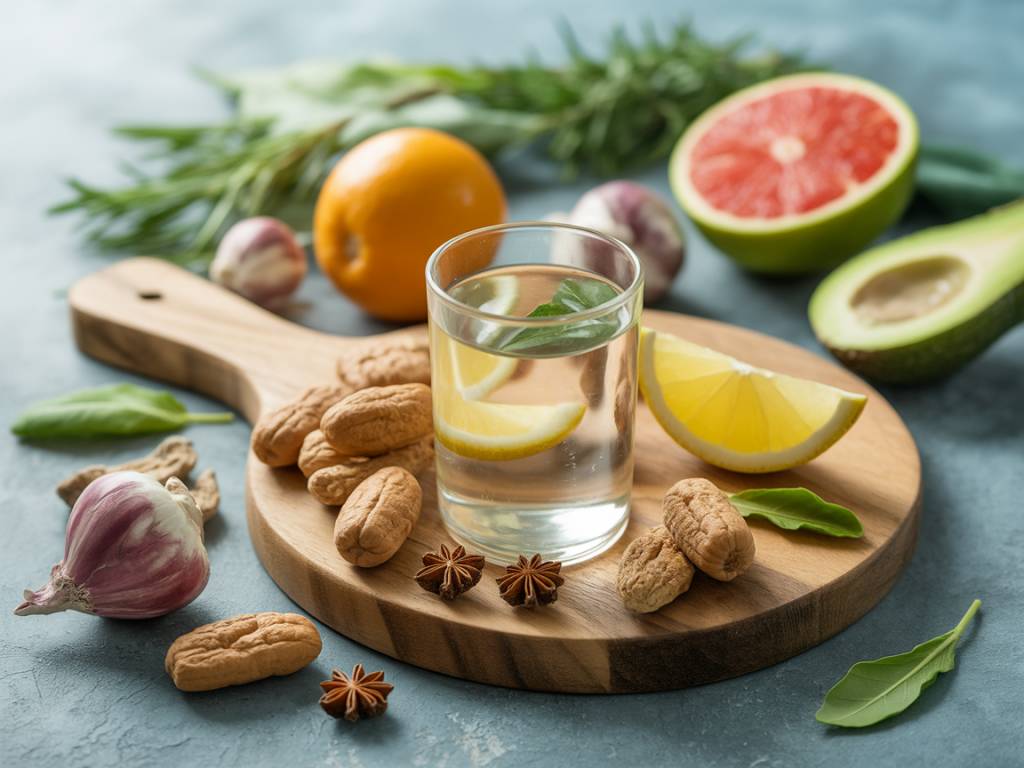
When cold season rolls in, we often reach for “immune-boosting” supplements, super powders and miracle shots. But if you ask immunologists and nutrition researchers what really makes the difference in the long run, they’ll point you back to something beaucoup plus simple: what’s on your plate, day after day.
Let’s walk through what current research actually says about supporting your immune system with real, natural foods – and how to turn that into easy, everyday meals you can cook without turning your kitchen upside down.
What your immune system really needs (beyond buzzwords)
Your immune system isn’t a muscle you can “pump up” overnight. It’s more like a complex team that needs steady, reliable support. To work properly, it needs:
- Enough energy (calories) – chronic undereating or restrictive dieting can weaken immunity.
- Key vitamins and minerals – especially vitamins C, D, A, E, B6, B12, folate, zinc, iron, selenium.
- Healthy fats – to build cell membranes and manage inflammation.
- Good gut bacteria – because a big part of our immune system lives in the intestine.
Research over the last decade is very clear on one point: there’s no single “magic” food. What matters is the overall pattern: lots of colourful plants, good-quality fats, enough protein, and as few ultra-processed products as possible.
So instead of hunting for the next superfood, let’s look at concrete families of foods that the science consistently supports – and how to actually integrate them into your week.
Vitamin C: more than just oranges
Vitamin C doesn’t prevent you from ever getting sick, but studies suggest that having enough in your regular diet can help your immune cells respond better, and may slightly reduce the duration of colds in some people.
Good news: you don’t need exotic fruit shipped from the other side of the world. Many local, seasonal foods are naturally rich in vitamin C.
Key natural sources you can keep in rotation:
- Citrus fruits: oranges, clementines, lemons, grapefruit.
- Bell peppers: especially red and yellow.
- Cruciferous veg: broccoli, Brussels sprouts, cabbage, kale.
- Berries: strawberries, blackcurrants, blueberries (fresh or frozen).
- Fresh herbs: parsley, coriander, chives.
Practical tips:
- Eat them raw or lightly cooked: vitamin C is heat-sensitive. Steam your vegetables just until tender-crisp, or eat them raw in salads and crudités.
- Keep frozen veg and berries: they’re picked at maturity and frozen quickly, so they keep a good vitamin C content and are perfect for midweek meals.
- Add a citrus element at each meal: a squeeze of lemon on lentils or fish, orange segments in a salad, or a simple clementine as dessert.
Vitamin D: the “sunshine” nutrient that’s hard to get from food
Vitamin D plays a role in modulating the immune response. Observational studies suggest that people with a deficiency tend to have a higher risk of respiratory infections. That doesn’t mean vitamin D is a miracle shield, but it does mean your levels shouldn’t be running on empty.
The catch? We mainly make vitamin D through sunlight on the skin, and in many countries that’s a problem from autumn to spring.
Natural food sources (there aren’t many):
- Oily fish: salmon, mackerel, herring, sardines.
- Egg yolks (from outdoor, preferably organic hens).
- Liver (for those who enjoy it).
- Fortified products: some plant milks, yogurts or cereals (check labels).
What current research and guidelines suggest:
- Food alone is usually not enough to correct a deficiency.
- Many public health agencies now recommend vitamin D supplementation in winter, especially in northern countries or for people with low sun exposure.
Discuss it with your GP or a nutrition professional, especially if you rarely see the sun or wear covering clothing most of the year. In the meantime, you can:
- Plan 1–2 portions of oily fish per week.
- Use eggs as a protein base in quick dinners: omelettes with vegetables, shakshuka, frittata packed with greens.
Zinc, iron & selenium: the quiet defenders
Zinc, iron and selenium don’t make headlines, but are essential for your immune cells to develop and function properly. Deficiencies – even mild ones – can weaken the immune response.
Where to find them naturally:
- Zinc: seafood (especially oysters), beef, lamb, pumpkin seeds, sesame seeds, chickpeas, lentils.
- Iron: meat, liver, legumes (lentils, chickpeas, beans), tofu, spinach, pumpkin seeds. Pair plant iron with vitamin C (lemon, peppers, citrus) to improve absorption.
- Selenium: Brazil nuts, fish, eggs, whole grains.
One simple daily habit: keep a small jar of mixed seeds and nuts (pumpkin, sunflower, sesame, walnuts, a few Brazil nuts) on your counter and sprinkle them on salads, soups, porridge or yogurt. One or two Brazil nuts a day usually cover your selenium needs – no need to eat the whole bag.
Plant power: polyphenols and colourful plates
Polyphenols are natural compounds in plants that have antioxidant and anti-inflammatory effects. They don’t “kill” viruses, but they help protect your cells from oxidative stress and support a balanced immune response.
Current research points to overall high plant diversity as key. In one large study on gut health, people who ate at least 30 different plant foods a week (fruit, veg, herbs, spices, nuts, seeds, legumes, whole grains) had a more diverse and resilient microbiota.
Focus on:
- Colour variety: deep greens, reds, oranges, purples, whites.
- Whole plants rather than juices (you keep the fibre).
- Herbs and spices: small amounts, big impact.
Some particularly interesting foods:
- Berries: rich in anthocyanins; use fresh or frozen in porridge, smoothies, or compotes with minimal sugar.
- Onions, garlic, leeks: source of prebiotic fibres and sulphur compounds; great base for almost any savoury dish.
- Green tea: contains catechins that have been widely studied for their antioxidant properties.
- Turmeric + black pepper: curcumin in turmeric is better absorbed with pepper and a little fat; add to soups, stews, lentil dahls.
Gut health: where most of your immune cells live
Around 70% of your immune cells are associated with your gut. That’s why researchers are so interested in the gut microbiome: the microorganisms that live in our intestines help “train” the immune system and keep inflammation in check.
To support this internal ecosystem, you need two types of foods:
- Prebiotic foods: fibres that feed good bacteria.
- Probiotic foods: foods that contain live beneficial bacteria.
Prebiotic-rich foods to rotate weekly:
- Onions, garlic, leeks, shallots.
- Asparagus, artichokes, Jerusalem artichokes.
- Bananas, especially slightly underripe.
- Oats, barley, rye, whole grains.
- Legumes: lentils, chickpeas, beans.
Natural probiotic foods:
- Live yogurt and kefir (dairy or plant-based, with “live cultures” on the label).
- Fermented vegetables: sauerkraut, kimchi, pickles in brine.
- Miso, tempeh and some traditionally fermented soy products.
Everyday strategy: aim for at least one fermented food and one prebiotic-rich food per day. Think: a bowl of live yogurt with oats and banana for breakfast, or a spoonful of sauerkraut on the side of your usual dinner.
Healthy fats: calm, not inflame
Chronic, low-grade inflammation can throw your immune system off balance. Certain fats help calm this inflammation, while others, in excess, may worsen it.
Research supports increasing:
- Omega-3 fatty acids: in oily fish (sardines, mackerel, herring, salmon), flaxseeds, chia seeds, walnuts.
- Monounsaturated fats: extra-virgin olive oil, avocados, nuts.
And limiting:
- Ultra-processed foods high in refined oils, trans fats and additives (industrial pastries, crisps, many ready-made meals).
Simple switches:
- Use olive oil as your main fat for dressing and low–medium heat cooking.
- Include oily fish 1–2 times a week; when in doubt, canned sardines or mackerel in olive oil are affordable and practical.
- Add one portion of nuts or seeds per day (a small handful is enough).
What to put in your basket: a practical shopping list
To translate all this into action, here’s a base shopping list you can adapt to your tastes and the seasons. Think of it as your immune-support “toolbox”.
Fruit & veg (fresh or frozen)
- Citrus: lemons, oranges, tangerines.
- Berries: blueberries, raspberries, blackcurrants.
- Bell peppers (any colour).
- Leafy greens: spinach, kale, chard.
- Cruciferous: broccoli, cabbage, Brussels sprouts.
- Alliums: onions, garlic, leeks, shallots.
- Colourful veg: carrots, beetroot, pumpkin, sweet potato.
Protein sources
- Oily fish: sardines, mackerel, salmon (fresh or canned).
- Eggs (ideally free-range, organic if possible).
- Legumes: lentils, chickpeas, various beans.
- Tofu or tempeh for plant-based options.
Grains & fibres
- Oats, barley, rye.
- Wholegrain bread, brown rice, quinoa.
Fermented foods
- Live yogurt or kefir (dairy or plant-based).
- Sauerkraut or kimchi in the fridge section (not pasteurised if possible).
- Miso paste.
Fats, nuts & seeds
- Extra-virgin olive oil.
- Walnuts, almonds, a few Brazil nuts.
- Pumpkin, sunflower, sesame, chia or flaxseeds.
Flavour “boosters”
- Fresh herbs: parsley, coriander, chives, basil.
- Spices: turmeric, ginger, cumin, paprika, black pepper.
- Green tea.
Three easy, immune-supportive meals for busy days
You don’t need complicated recipes to eat in line with current research. Here are three ideas you can adapt endlessly, with ingredients you likely already have.
1. Warming lentil & vegetable soup
Good for: vitamin C, fibre, prebiotics, plant protein.
- Sauté chopped onions, garlic and carrots in olive oil.
- Add red or green lentils, chopped tomatoes (fresh or canned), a handful of chopped kale or spinach.
- Season with turmeric, cumin, black pepper, salt.
- Cover with water or stock and simmer until lentils are tender.
- Finish with a squeeze of lemon and fresh parsley.
Make a big pot on Sunday and reheat portions during the week. It freezes very well.
2. Oily fish traybake with colourful veg
Good for: vitamin D (a bit), omega-3, polyphenols, minimal dishes.
- On a baking tray, spread chopped seasonal vegetables (broccoli, peppers, red onion, carrots).
- Drizzle with olive oil, salt, pepper, and sprinkle with garlic and herbs.
- Roast until almost tender, then add sardine or mackerel fillets on top and cook a few more minutes.
- Serve with a side of wholegrain bread or quinoa and a spoonful of sauerkraut.
3. Simple yogurt bowl with seeds & berries
Good for: probiotics, prebiotics, vitamin C, healthy fats.
- In a bowl, combine live yogurt or kefir.
- Add oats, sliced banana and berries (fresh or frozen).
- Sprinkle with mixed seeds and a few chopped nuts.
- Optionally add a drizzle of honey or maple syrup.
This works for breakfast, a light lunch or an afternoon snack.
Smart storage to avoid waste and always have “immune allies” on hand
Supporting your immunity is easier when your kitchen is already stocked with good options. A few organisation tips:
- Use your freezer strategically: freeze chopped onions, herbs in ice cube trays with olive oil, leftover soup portions, berries and sliced citrus.
- Rotate fresh produce: more fragile items (berries, salad leaves, herbs) at the front of the fridge, sturdier ones (carrots, cabbage, beets) behind.
- Cook legumes in bulk: cook a large pot of lentils or chickpeas, portion into jars and freeze. Perfect for adding quickly to soups, salads or stews.
- Keep a visible “snack basket”: nuts, seeds, citrus fruits, bananas – the things you see are the ones you actually eat.
What food can’t do (and why that matters)
Food is a powerful lever, but it’s not a shield against every virus going around, and it can’t replace medical care when needed. Current research reminds us that immunity also depends on:
- Sleep: chronic sleep deprivation alters immune function.
- Stress management: ongoing stress increases inflammation.
- Movement: regular moderate activity supports immune health; excessive, intense exercise without recovery can temporarily suppress it.
- Smoking and alcohol: both weaken immune defences when used regularly or in high amounts.
Think of your diet as the base of the pyramid: essential, yes, but not the only brick.
Bringing it all together in everyday life
To support your immune system with natural foods according to what we know today, you don’t need to overhaul everything. Choose a few concrete actions and repeat them week after week:
- Add at least one extra portion of veg to two meals per day.
- Eat something fermented and something rich in fibre each day.
- Plan oily fish 1–2 times a week, using canned options if that’s easiest.
- Keep citrus fruit, onions, garlic and frozen veg in your kitchen at all times.
- Build a small daily ritual: a cup of green tea in the afternoon, lemon lentil soup on Sunday night, or your seeded yogurt bowl for breakfast.
The immune system likes consistency more than perfection. A simple, colourful, mostly unprocessed plate – repeated often – will always do more than a rare “detox” or a miracle shot.
And if you’re not sure where to start, choose one meal this week and give it a gentle upgrade: add a handful of greens, a spoonful of fermented veg, or a handful of nuts. Your immune cells won’t send you a thank-you note, but they will notice.