What microplastics are and where they come from
Microplastics are tiny plastic particles generally defined as being smaller than 5 millimeters, down to the microscopic scale. They can be intentionally manufactured at small sizes (such as microbeads once used in cosmetics) or result from the breakdown of larger plastic items, including packaging, textiles, and everyday household products.
In the context of food and our homes, microplastics most often come from:
- Food and beverage packaging (bottles, trays, films, caps, sachets)
- Kitchenware and food storage containers (plastic cutting boards, utensils, boxes)
- Drinking water systems (plastic pipes, bottles, filters, and kettles)
- Textiles and household dust (synthetic clothing fibers, carpets, and furnishings)
- Environmental contamination in soils and oceans (affecting crops and seafood)
These particles can carry additives such as plasticizers, flame retardants, stabilizers, and colorants. They can also adsorb pollutants from the environment, including pesticides and heavy metals, which can then travel with them into food and the human body.
How microplastics end up in your food and drinks
Microplastics reach our plates and glasses through several pathways. Research over the past decade has started to map out the most significant sources, though many knowledge gaps remain.
1. Packaging and food contact materials
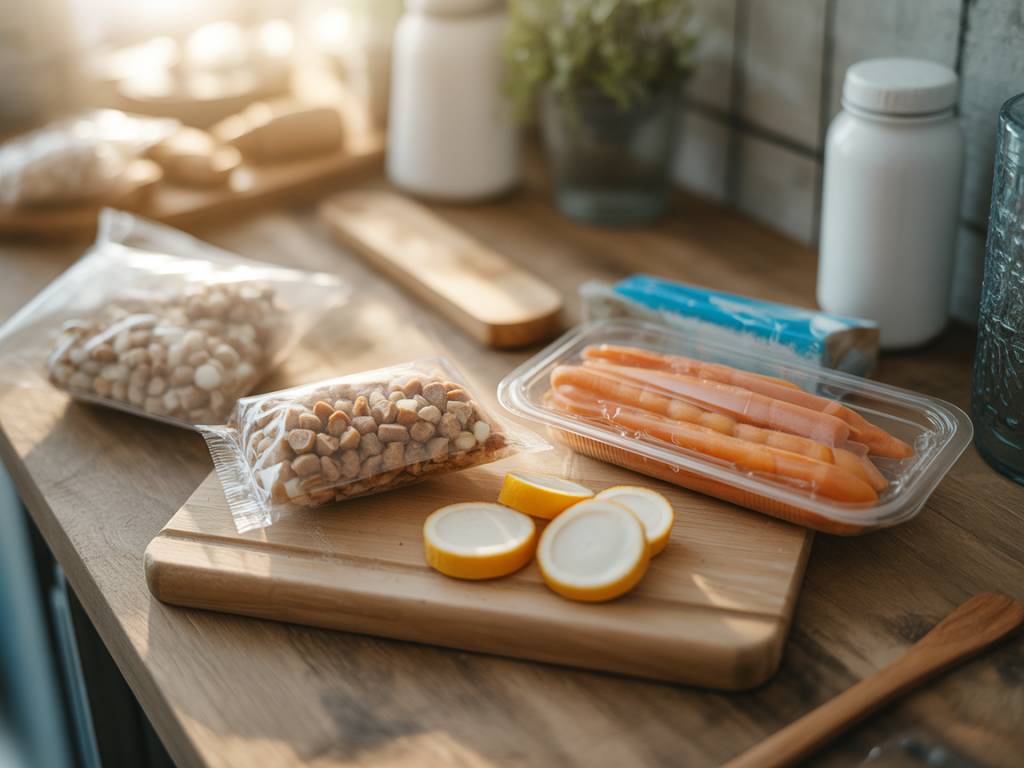
Many packaged foods come into direct contact with plastic: trays sealed with plastic film, single-use containers, sachets, caps, and liners. Mechanical stress (during transport and handling), heat (during processing and reheating), and time can cause these materials to shed tiny fragments.
Common examples include:
- Hot takeaway meals in plastic containers
- Microwavable plastic trays and wraps
- Bottled water and soft drinks in PET bottles
- Tea bags made partly of plastic mesh
Studies have detected microplastics in bottled water at levels often higher than those found in tap water, likely due to the bottle and cap abrasion during bottling, transport, and opening.
2. Food processing and preparation
Microplastics can be introduced during industrial processing (for example, through hoses, conveyor belts, and packaging equipment) and also in household kitchens. Everyday items such as plastic cutting boards and utensils can release small particles when scratched, cut, or heated.
Several laboratory experiments have shown that chopping or slicing on plastic cutting boards generates detectable microplastic fragments, some of which can end up in food, especially moist or fatty ingredients that adhere to the surface.
3. Environmental contamination of food sources
Microplastics do not stay confined to landfills or surface litter. They are now found in soils, rivers, oceans, and even remote regions. This has direct implications for several food categories:
- Seafood: Filter feeders such as mussels, oysters, and clams, as well as certain fish, can ingest microplastics present in the water column or sediments.
- Salt: Sea salt and, to a lesser extent, other salts have been found to contain microplastics, reflecting contamination of the surrounding environment.
- Honey and sugar: Small quantities of microplastics have been detected, likely from airborne dust, processing, and packaging.
- Produce: Emerging evidence suggests that very small plastic particles (nanoplastics) may move from soil or irrigation water into plant tissues, although this field is still under active study.
4. Household dust and indoor air
Indoor environments often contain higher microplastic concentrations than outdoor air, primarily from synthetic textiles, soft furnishings, and plastic surfaces. These particles can settle on plates, in drinks, and on cooking surfaces. While a single meal may not contain a large dose, daily exposure adds up over time.
What current science says about health risks
Science is still catching up with the rapid spread of plastics. Microplastics have been detected in human stools, blood, lungs, and even placental tissue. However, understanding what this means for health is complex and ongoing.
Researchers are examining several potential mechanisms of harm:
- Physical effects: The particles themselves may irritate tissues, especially in the respiratory and digestive systems, and could trigger local inflammation.
- Chemical additives: Many plastics contain additives such as phthalates, bisphenols, and flame retardants. Some of these are known or suspected endocrine disruptors or have other toxic properties. Microplastics may act as carriers for these substances.
- Adsorbed pollutants: Microplastics can accumulate environmental contaminants, including persistent organic pollutants (POPs) and heavy metals, which may then enter the body alongside the particles.
- Microbial hitchhikers: Plastic surfaces can host biofilms of bacteria and other microorganisms. Some researchers are studying whether this could facilitate the transport of harmful microbes.
At present, there is no definitive quantification of risk for most people, but expert bodies, including the World Health Organization and national food safety agencies, consistently highlight uncertainty and the need for precautionary measures. There is concern that chronic, low-level exposure over many years could contribute to issues such as:
- Inflammation in the gut or lungs
- Oxidative stress at the cellular level
- Potential disruptions to hormone systems from certain additives
It is important to note that many of these links are based on experimental or animal studies rather than large human studies. While catastrophic effects are not demonstrated, the combination of widespread exposure and plausible mechanisms has led many health and environmental experts to advise reducing unnecessary exposure where practical.
Everyday sources of microplastics in the kitchen
Understanding where microplastics appear in a typical home can help you prioritize changes that are realistic and effective.
Common sources include:
- Single-use plastic containers and takeaway packaging
- Microwaveable plastic trays, bowls, and wraps
- Plastic bottles for water, juices, and soft drinks
- Plastic cutting boards and heavily scratched food containers
- Non-stick cookware when the coating is damaged
- Synthetic sponges and scouring pads that shed fibers
- Plastic kettles and coffee machine components
- Disposable plastic cups, straws, and stirrers
Not all plastic items pose the same degree of risk. Repeated heating, prolonged contact with hot and fatty foods, and visible damage (cracks, peeling, deep scratches) tend to increase the likelihood of particle release and migration of additives.
How to limit microplastic exposure from food and packaging
Completely avoiding microplastics is not currently realistic; they are present throughout modern environments. However, you can significantly reduce your exposure, especially from controllable home and diet sources, by combining several practical strategies.
Prioritize low-plastic food and drink choices
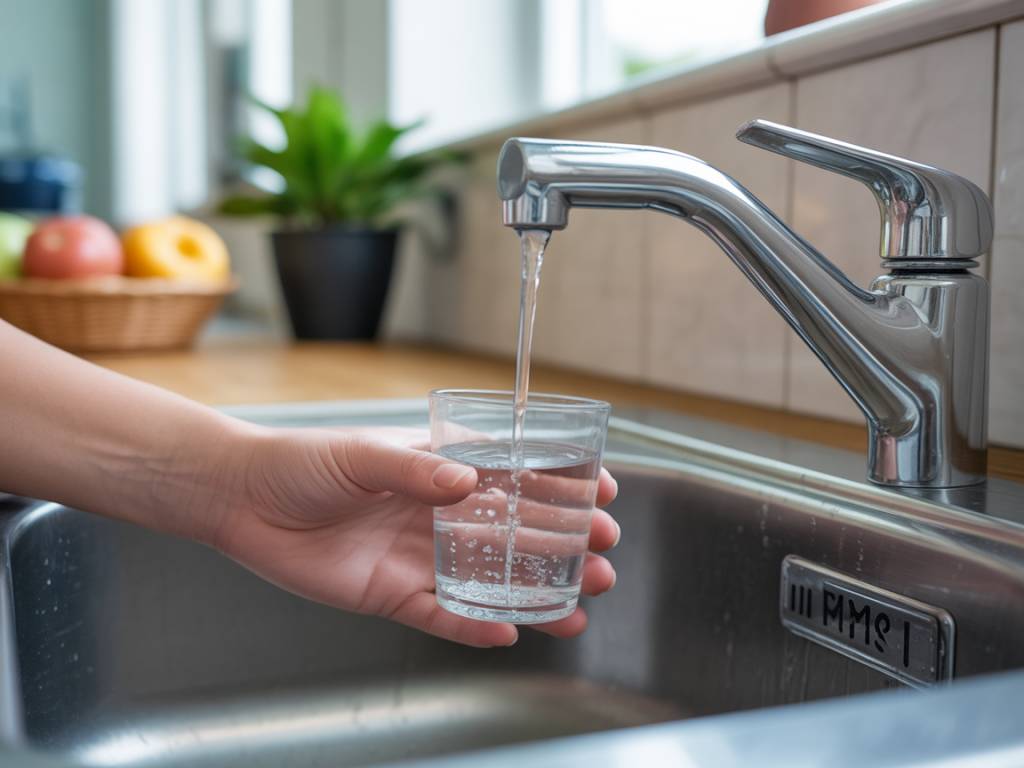
- Choose tap water over bottled water where it is safe to drink. If you have concerns about water quality, consider a certified home filter (for example, products tested to NSF/ANSI standards) instead of relying on plastic bottles.
- When buying drinks, opt for glass bottles, reusable stainless steel containers, or cartons with minimal plastic components when available.
- Prefer fresh, minimally packaged foods over heavily processed items often wrapped in multiple layers of plastic.
- At the deli or bakery, bring your own reusable glass or stainless steel containers where local regulations allow.
Handle plastic in the kitchen with care
- Avoid microwaving food in plastic containers or with plastic wrap directly touching the food. Transfer leftovers to glass or ceramic dishes before heating.
- Do not pour boiling liquids into thin plastic containers not designed for high heat, as this can accelerate degradation.
- Replace heavily scratched or cloudy plastic food containers, especially those used for hot or fatty foods.
- When possible, switch to glass, stainless steel, or enamel for storage and serving.
Rethink cutting boards and utensils
- Consider using wooden or bamboo cutting boards instead of plastic for most chopping tasks. Maintain them properly by cleaning and drying thoroughly to avoid bacterial growth.
- Reserve any remaining plastic boards for foods where cross-contamination is a concern (such as raw meat), and replace them promptly when they become deeply scored.
- Use wooden, silicone, or stainless steel utensils instead of cheap plastic spatulas and spoons that may degrade with heat.
Choose safer cookware and food contact products
- Inspect non-stick pans for peeling or scratching; replace damaged items to reduce particle shedding.
- When buying new cookware, consider stainless steel, cast iron, or ceramic-coated options from reputable brands that publish safety testing.
- For baking, use uncoated metal pans or trusted, food-grade silicone molds, and avoid very low-quality plastic or coatings of unknown origin.
Limiting microplastics in drinking water at home
Drinking water is a major potential route of microplastic intake. While levels vary widely by region, you can take steps to reduce potential exposure.
Consider certified filtration
- Look for water filters that have been tested or certified by independent bodies for particle removal. Although standards focus mostly on pathogens and chemical contaminants, many filters also reduce micro-particles.
- Options include under-sink filters, countertop gravity systems, and jug-style filters. Reverse osmosis systems also remove very small particles but can be more expensive and water-intensive.
- Replace cartridges on the schedule recommended by the manufacturer. An overdue filter can become less effective and may harbor bacterial growth.
Use durable, low-plastic serving options
- Store filtered water in glass carafes or stainless steel bottles instead of plastic pitchers where possible.
- If you use a plastic kettle, avoid letting water sit in it for long periods, and consider switching to stainless steel models when it is time for a replacement.
Reducing microplastics from textiles and household dust
What floats through your home air and settles on surfaces can eventually find its way into food. Simple habits can reduce the load of synthetic fibers and plastic dust indoors.
Manage dust effectively
- Vacuum floors and carpets regularly using a vacuum cleaner with a HEPA filter, which captures fine particles more efficiently.
- Dust with a damp cloth rather than a dry duster to avoid redistributing microfibers into the air.
- Wipe kitchen surfaces before cooking or serving food, especially if windows have been open or renovation work has taken place nearby.
Be selective with textiles
- When buying new clothing or soft furnishings, consider reducing the share of purely synthetic fabrics (like polyester and acrylic) in favor of natural fibers such as cotton, linen, and wool where practical.
- Wash synthetic garments at lower temperatures and on gentler cycles to reduce fiber shedding, and use full loads to minimize friction.
- If available, consider a microfiber-catching washing machine filter or external filter device designed and tested to trap fibers before they reach wastewater.
How to approach product choices thoughtfully
The interest in “microplastic-free” or “plastic-safe” products has grown quickly, and with it, a wave of marketing claims. A careful, evidence-based approach can help you make sound choices without unnecessary expense.
What to look for
- Prefer transparent materials information over vague labels. Reputable brands often specify exactly which plastics or alternative materials they use.
- Check for independent certifications where relevant, such as food-contact safety standards or water filter performance certifications (for example, NSF/ANSI standards in North America or equivalent in your region).
- Opt for simple, durable designs that you can clean easily and use for many years. Frequent replacement of low-cost items often leads to more wear and tear, and thus more shedding.
What to be cautious about
- Be wary of products claiming to completely eliminate microplastics without clear test data. At present, no household solution can fully remove all micro- and nanoplastics from daily life.
- Avoid untested DIY chemical treatments or home remedies aimed at “dissolving plastics” in water or food; these can introduce new health risks.
- Remember that replacing all plastics overnight is neither realistic nor necessary. Focus on high-contact and high-heat items first, where the potential for release is highest.
Balancing risk reduction with practicality
Microplastics highlight a broader challenge: our food systems and homes have become deeply entangled with synthetic materials. While the full health implications are not yet fully mapped, there is enough evidence to justify practical, low-cost steps to reduce exposure, especially where alternatives are readily available.
Focusing on key actions—such as limiting heated contact between food and plastic, favoring tap water with suitable filtration, choosing durable glass or stainless steel for storage and serving, and controlling household dust—can reduce your personal microplastic footprint without drastic lifestyle changes.
For many readers, the most sustainable path forward is a gradual shift. As you replace worn-out items in your kitchen and home, choose options designed for long-term use, made from materials that interact less with your food and drink. This approach supports both personal health and the broader effort to reduce plastic waste in the environment, reinforcing the connection between what we bring into our homes and the ecosystems that ultimately feed us.