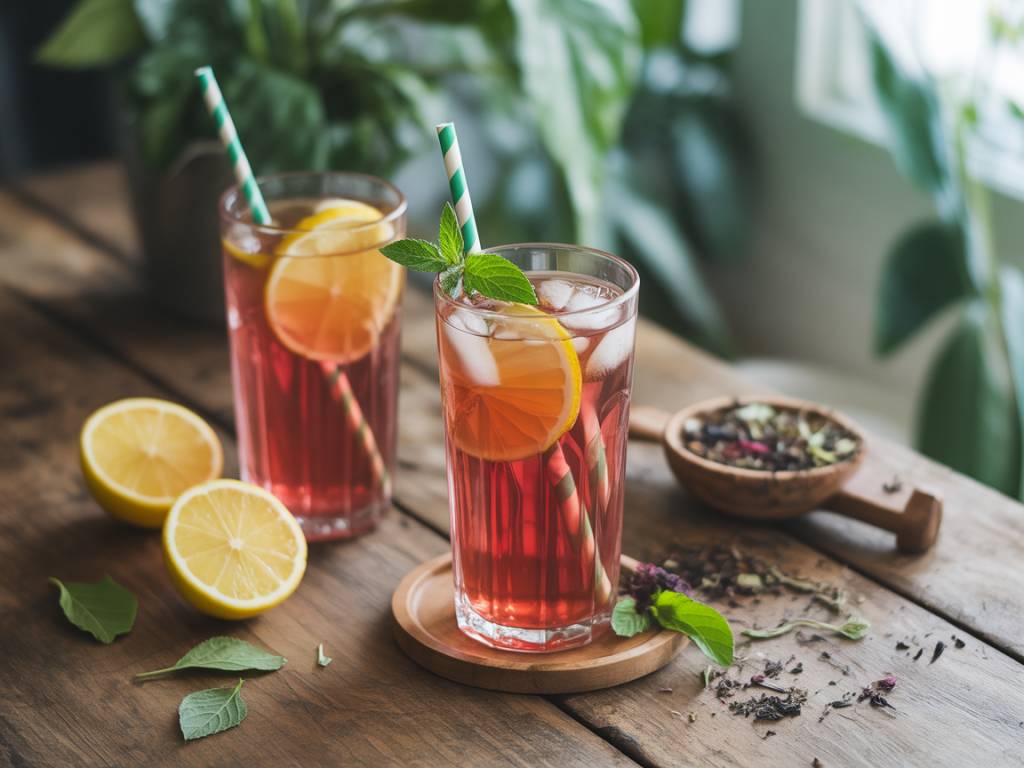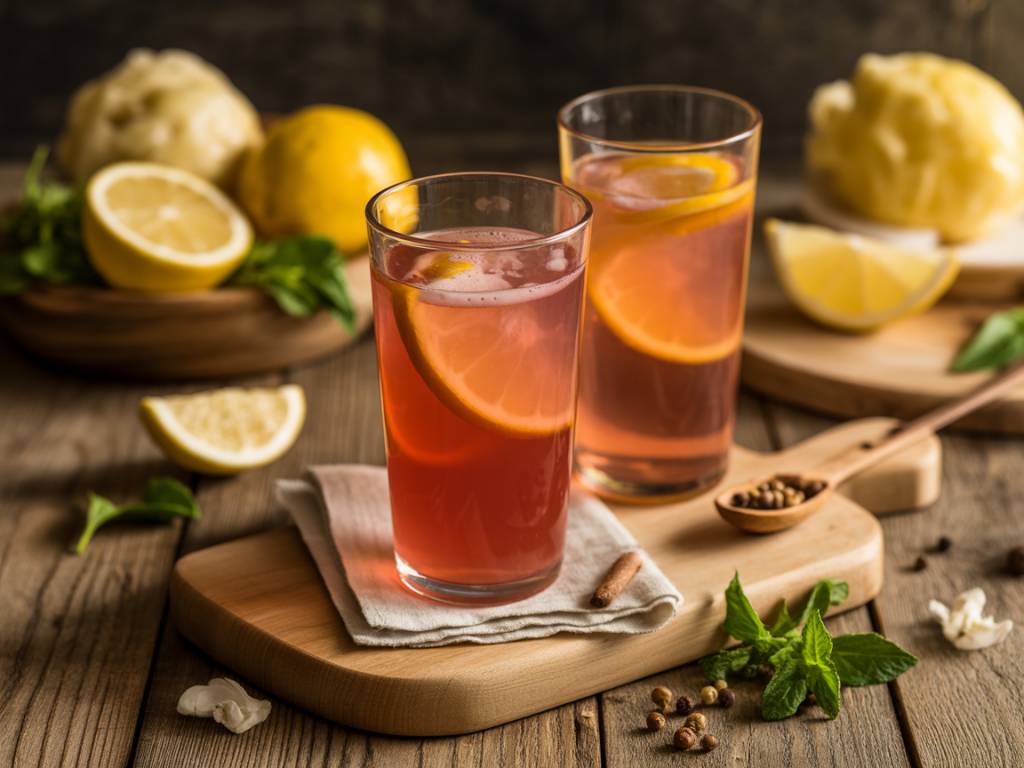
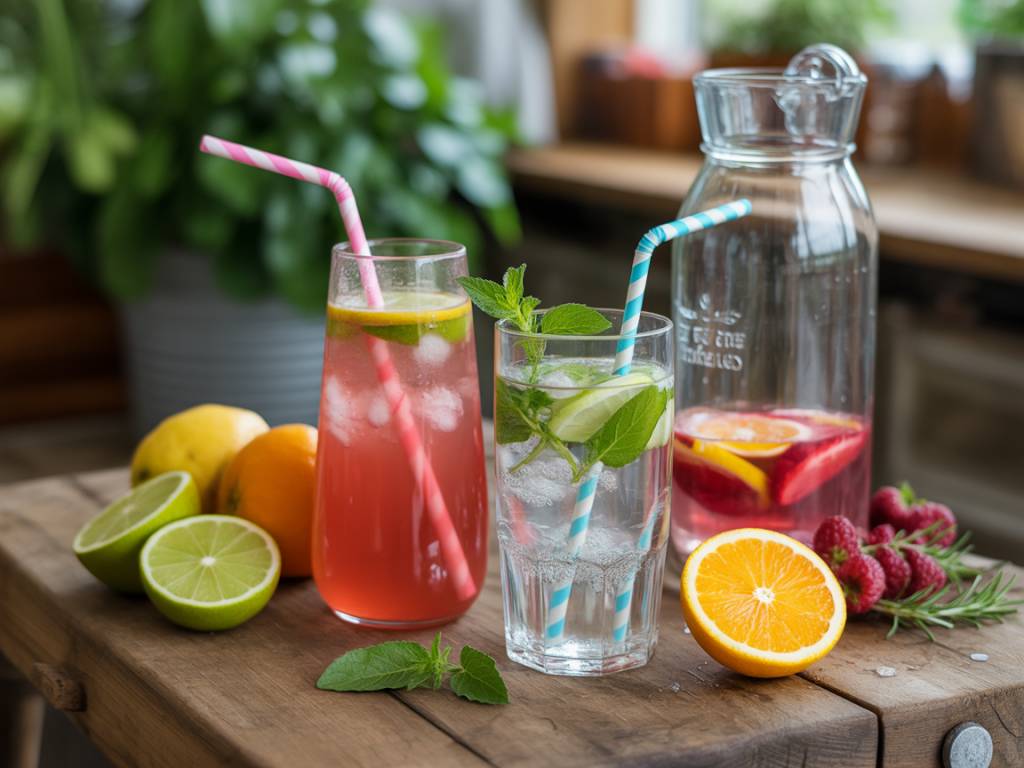
Swapping fizzy sodas for homemade fresh drinks is one of those small everyday shifts that quietly changes a lot: less sugar, fewer additives, more pleasure… and almost no effort once you’re organised. With a few fruits, a handful of fresh herbs and good filtered water, you can build a whole repertoire of drinks that feel special enough for guests and simple enough for Tuesday evenings.
In this guide, we’ll look at how to build flavour (without loading on sugar), what you actually need in the kitchen, and a set of mix-and-match recipes you can adapt to what’s in your fruit bowl. The idea is not to spend your life slicing citrus – it’s to find 3–4 house recipes your household loves and that you can batch in minutes.
Why replace sodas in the first place?
I’m not here to tell you that you can never touch a soda again. But if they’ve become your default drink, your body (and your energy levels) will thank you for having alternatives.
- Less sugar, fewer crashes: Even “regular” sodas often contain 6–8 teaspoons of sugar per can. That’s a big blood sugar spike, followed by a predictable slump.
- Fewer additives: Colourings, flavourings, phosphoric acid… Many industrial drinks are ultra-processed. Homemade drinks with whole fruits and herbs bring vitamins, minerals and polyphenols instead.
- Better hydration: When drinks are very sweet or very acidic, we sometimes drink less overall. Lightly flavoured water is easier to sip throughout the day.
- More control: You decide how sweet, how tangy, how aromatic. You can adapt recipes for kids, for hot days, or for digestive comfort.
The good news: your tastebuds adapt quickly. After a week with fresher, lighter drinks, most sodas start to taste overwhelmingly sweet.
Start with good filtered water
Since water is the base, its quality matters more than any fancy ingredient you add on top.
- Use filtered water if your tap water has a strong chlorine or mineral taste. A simple jug filter is enough to make a big difference.
- Keep it cold: Cold water carries aromas differently and feels naturally more refreshing, which means you can get away with less sweetness.
- Glass over plastic: For storage, choose glass bottles or jars. They keep flavours “clean” and are easier to wash without lingering smells.
Think of it as building good bread: if your flour is bad, no recipe will save it. For drinks, your “flour” is water.
Fruit, herbs and a pinch of acidity: your new flavour toolbox
To build a satisfying soda replacement, you need three things:
- Natural sweetness (from fresh fruit or a touch of honey/maple)
- Aromatic notes (herbs, spices, citrus zest)
- A hint of acidity (lemon, lime, a splash of apple cider vinegar)
Here’s a simple way to think about it when you’re improvising:
- Base fruit: berries, citrus, melon, peaches, apples, pears, grapes.
- Herbal accent: mint, basil, thyme, rosemary, sage, verbena, lavender (food-grade only, and in tiny amounts).
- “Spark” ingredient: fresh ginger, cucumber, lemon or lime, lightly bruised spices (cardamom, star anise, cinnamon stick).
Pick one element from each line and you already have a drink idea.
Tools that really help (but you probably own most already)
No need for a cocktail bar at home. A few basics are enough:
- Cutting board and sharp knife to slice fruit thinly – more surface area means more flavour.
- Large glass jar or pitcher with lid for infusing in the fridge (1–2 litres).
- Fine sieve or nut milk bag if you want smoother drinks with no pulp.
- Reusable glass bottles (500 ml to 1 L) to grab-and-go.
- Optional but handy: a muddler or the end of a wooden spoon to lightly crush fruit and herbs.
Once everything has a place in your fridge door or a specific shelf, making homemade drinks becomes as automatic as putting the kettle on.
Infused waters: the 2-minute everyday alternative
If you’re currently on several sodas a day, start here. Infused waters are light, quick, and perfect to sip all day long.
Basic method (for 1 litre)
- 1 L cold filtered water
- ½ to 1 cup sliced fruit (citrus rounds, berries, melon cubes…)
- A small handful of fresh herbs (5–10 leaves of mint, basil, or a sprig of rosemary/thyme)
Steps:
- Wash fruit and herbs thoroughly (especially if not organic). Keep peels on for citrus if they’re untreated – there’s lots of aroma there.
- Slice the fruit fairly thin: orange into rounds, strawberries into halves or slices, cucumber into thin discs.
- Place fruit and herbs at the bottom of your jar or pitcher. Gently bruise herbs between your fingers to release aroma.
- Fill with cold filtered water. Cover and refrigerate for at least 1 hour, ideally 3–4 hours.
- Taste and adjust. Too subtle? Add more fruit/herbs and infuse a bit longer.
Some tested and loved combinations:
- Lemon + cucumber + mint: The classic spa water. Very clean, ultra-refreshing.
- Orange + blueberry + basil: Slightly sweeter, great if you’re coming off sugary sodas.
- Strawberry + lime + mint: A non-alcoholic nod to a mojito.
- Apple + cinnamon stick: Perfect for cooler days; use room-temperature water to let the cinnamon infuse.
- Watermelon + rosemary: Extremely fragrant; use just a small sprig of rosemary.
Keep the infusion in the fridge and drink within 24 hours for maximum freshness. You can top up the water once during the day if the flavours are still strong enough.
Herbal coolers for digestion and calm
Herbal teas aren’t only for winter evenings. Brewed and chilled, they make excellent soda replacements, especially if you’re trying to reduce caffeine or if you like to finish meals with something soothing.
Method
- Brew your herbal tea (mint, verbena, chamomile, rooibos, fennel…) a bit stronger than usual: 2 bags or 2 tablespoons loose herbs for 1 L of hot water.
- Steep 5–10 minutes, then strain.
- Sweeten lightly while still warm if needed (1–2 teaspoons honey or maple syrup for the whole litre is usually enough).
- Cool to room temperature, then chill in the fridge.
Flavour ideas:
- Mint + lemon cooler: Mint infusion, cooled, then served with fresh lemon slices and ice.
- Rooibos “iced tea”: Naturally caffeine-free, slightly sweet; delicious with orange zest and a splash of lemon.
- Fennel + apple: Fennel seeds infused, cooled, then mixed with thin slices of green apple for a digestive drink.
These drinks store well for 48 hours in the fridge and are ideal for evenings when you want something more interesting than water but calmer than a cola.
Fruit & herb lemonades with much less sugar
If you’re used to very sweet sodas, stepping down the sugar slowly is more realistic than going straight to plain water. Homemade lemonades are perfect for this: you control the sweetness, and the high acidity keeps them refreshing even with less sugar.
Base light lemonade (about 1.2 L)
- 1 L cold filtered water
- 200 ml freshly squeezed lemon juice (about 4–5 lemons)
- 2–3 tablespoons runny honey or maple syrup (adjust to taste)
Steps:
- In a jug, dissolve honey or maple syrup into a small amount of warm water (100 ml) so it mixes easily.
- Add the lemon juice and mix.
- Top up with cold filtered water, taste, and adjust: more water if it’s too strong, a bit more sweetener if you’re still transitioning from sodas.
- Chill and serve over ice.
To turn this into something special, add infused fruits and herbs:
- Raspberry basil lemonade: Add ½ cup fresh or frozen raspberries and 5–6 basil leaves; let infuse in the fridge for at least 1 hour, then lightly mash the raspberries before serving.
- Ginger lemon-lime cooler: Add a 3–4 cm piece of fresh ginger, sliced, plus the juice of 2 limes. Let infuse, then strain if you don’t want the ginger pieces.
- Peach thyme lemonade: Add one ripe peach, sliced, and a small sprig of thyme. This one feels almost like a dessert in a glass.
You can gradually cut the sweetener over time: if you started at 3 tablespoons, go down to 2 after a week, then 1, then just fruit.
Sparkling alternatives: for the “fizzy” habit
If what you love is the bubbles rather than the sweetness, carbonated drinks are actually the simplest to replace.
Quick method:
- Pour sparkling water into a glass (or a jug if making a batch).
- Add a generous squeeze of fresh citrus (lemon, lime, grapefruit) – aim for 1–2 tablespoons per glass.
- Drop in a few slices of fruit or cucumber and a leaf or two of mint or basil.
This alone is often enough to curb the soda craving during meals.
If you want something closer to “flavoured soda” without the additives:
- Make a fruit-herb concentrate by blending 1 cup chopped fruit with ½ cup water and a tablespoon of honey/maple, then straining.
- Add 2–3 tablespoons of this concentrate to a glass and top with sparkling water.
- Store the remaining concentrate in the fridge for up to 3 days.
Good fruits for concentrates: mango, berries, peaches, pineapple, pear. Always taste and adjust acidity with a bit of lemon juice if it tastes flat.
How to sweeten (or not) without overdoing it
Natural sweeteners are still sugar, just with a bit more character and sometimes extra nutrients. The idea is to use less overall, not to swap industrial sugar for heroic amounts of honey.
Options:
- Ripe fruit: The best option. Let nature do the work: very ripe peaches, mangos, or grapes can sweeten a jug with no extra sugar.
- Honey: Intense flavour, pairs particularly well with lemon and herbal drinks. Start with 1 teaspoon per glass or 1–2 tablespoons per litre.
- Maple syrup: Nice in rooibos or spiced drinks (apple-cinnamon, pear-vanilla).
- Stevia or erythritol: If you need to manage blood sugar, you can experiment, but use high-quality, minimally processed versions and go slowly – their aftertaste is strong in large amounts.
What works well in practice: making drinks slightly less sweet than you think people expect. After 2–3 days, that level becomes “normal”, and you can reduce again if you wish.
Batch prep, storage and zero-waste tips
Homemade drinks only stay fresh a few days, but that’s enough to fit them into your routine without stress.
- Infused waters: Best within 24 hours. You can top up once with more filtered water if the ingredients still smell very fragrant.
- Herbal and fruit teas: 48 hours in the fridge in a sealed glass bottle.
- Lemonades and concentrates: 2–3 days in the fridge. Shake before serving.
To avoid waste:
- Use tired-looking fruits for infusions instead of throwing them away (as long as they’re not mouldy).
- After straining, blend leftover fruit into smoothies or freeze it in ice cube trays for future drinks.
- Keep citrus peels (if organic), dry them, and use them to fragrance herbal teas.
Practical rhythm that works for many readers: pick two drinks for the week (for example, one infused water, one herbal cooler), batch them on Sunday evening, and refresh mid-week.
Making it family-friendly (and kid-approved)
Children (and many adults) are very loyal to their favourite sugary drinks. The idea is not to start a war at the dinner table, but to make the new options so attractive that curiosity wins.
- Serve in fun glasses: Straws (reusable), pretty jars, or coloured cups change the perception of “just water with fruit”.
- Let kids choose the mix: Offer sliced lemon, orange, berries and mint on a plate and let them build their own combinations.
- Start with half-and-half: For the first week, mix half soda, half homemade drink. Then gradually increase the share of the fresh drink.
- Play the “flavour game”: Can they guess which herb is in the drink? Mint, basil, thyme – it’s a simple way to train their palate.
If you keep the routine light and playful, resistance usually fades quickly, especially if the drinks are genuinely tasty, not “punishment water”.
Putting it all together in your week
To make these ideas stick, anchor them in your existing habits instead of creating a whole new routine.
- Morning: Prepare one jug of infused water while making breakfast; it goes straight into the fridge.
- Lunch: Serve sparkling water with lemon wedges and a small fruit concentrate on the side for those who want it.
- Afternoon: Keep a bottle of herbal cooler at your desk or in your bag – it makes that 4 pm soda run less tempting.
- Evening: A light herbal drink (mint, verbena, chamomile) can replace sugary desserts on some nights.
Over time, most people report the same thing: the “need” for soda fades and becomes an occasional pleasure rather than a daily crutch. And that’s exactly the goal: more choice, more flavour, and drinks that actually support your health instead of draining it.