


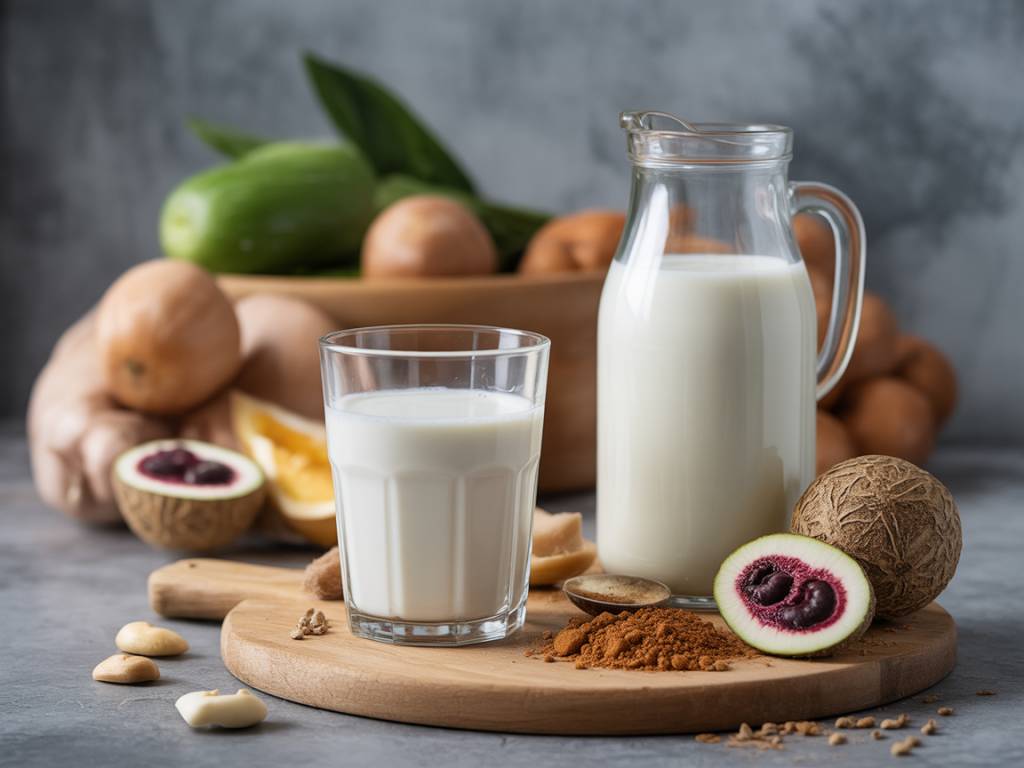
Plant-based milks have quietly moved from the “weird corner” of the supermarket to a full aisle of colourful cartons. Good news: there’s now an option for almost every taste, budget and lifestyle. Less good news: it can be hard to know what to pick, especially if you also care about organic farming, short ingredient lists and real nutritional value.
In this guide, I’ll walk you through the main organic plant-based milks on the market, how they’re made, what they’re best for (coffee, baking, kids, sports…), and how to decode the labels so you can choose exactly what you need instead of guessing in front of the fridge shelf.
What “organic” really means for plant-based milks
Before comparing almond vs oat vs soy, it’s worth understanding what the organic label changes in your carton of plant milk.
When you choose an organic certified drink, you’re generally getting:
- No synthetic pesticides or herbicides on the cereals, nuts or seeds used.
- No GMOs (genetically modified organisms) in the raw ingredients.
- More restrictive additive rules: thickeners, flavourings and vitamins are more tightly controlled.
- More traceability: from field to factory, producers must document their practices.
On European cartons, look for the green leaf logo (EU organic) and, ideally, a national or private certification logo as well. On UK products, after Brexit, you may see both the EU leaf and a UK logo (Soil Association, Organic Farmers & Growers, etc.).
One important detail: an “organic” plant-based milk is not automatically healthy. Organic sugar is still sugar, and organic sunflower oil is still added fat. That’s why we need to look at the ingredient list and nutrition table, not just the nice green logo.
How to read the ingredient list (without a nutrition degree)
A good rule of thumb with plant-based milks: fewer ingredients, better product. Here’s what to look for.
- Base ingredient percentage: ideally at least 8–15% for oats, 3–7% for nuts and seeds. If your almond milk contains only 1–2% almonds, don’t expect much flavour or nutrients.
- Water: always the first ingredient. That’s normal.
- Sweeteners: sugar, agave syrup, rice syrup, date syrup, “concentrated fruit juice”… Ask yourself: do you need this sweetness? For coffee, many people enjoy unsweetened once they adjust.
- Oils: often sunflower or rapeseed oil, used to improve texture. Not necessarily “bad”, but they add calories and can be refined. If you use a lot of plant milk daily, an oil-free version might be preferable.
- Gums and thickeners: gellan gum, guar gum, xanthan gum, carrageenan, locust bean gum. Organic versions are allowed in limited quantities. If your digestion is sensitive, you may tolerate some better than others.
- Fortification: calcium, vitamin B12, vitamin D, iodine, etc. Organic regulations sometimes restrict synthetic vitamins, so many organic milks are not fortified. If you’re fully plant-based, this matters.
My personal “everyday milk” checklist:
- No added sugar (or very minimal, and ideally from the cereal itself, like in some oat drinks).
- Base ingredient listed with a decent percentage.
- Organic, with clear certification.
- Short list of recognisable ingredients.
Oat milk: the all-rounder
If I had to keep only one plant-based milk in my kitchen, it would probably be organic oat milk. Here’s why.
How it’s made: Oats are soaked, blended with water, then filtered. Enzymes are often used to break down starches into natural sugars, which explains why many oat milks taste slightly sweet without added sugar.
Pros:
- Creamy texture that works in coffee, tea, porridge and baking.
- Usually more environmentally friendly than nut milks (oats are low-input crops and can be grown in cooler, rain-fed climates).
- Natural sweetness without needing added sugar.
- Often budget-friendly among organic options.
Cons:
- Usually lower in protein than soy or pea milks.
- Can be high in carbohydrates (watch out if you need to manage blood sugar).
- Not suitable for people with coeliac disease unless certified gluten-free.
Best uses:
- Coffee and tea (especially “barista” versions with extra proteins or fats for better foam).
- Baking: pancakes, cakes, muffins, everything that needs a neutral milk.
- Breakfast: cereals, muesli, overnight oats (yes, oat-on-oat is delicious).
What to look for: An organic oat milk with at least 10–15% oats, no added sugar, and minimal additives. If you’re making a lot of cappuccinos at home, test one or two barista versions to see which foams best with your coffee machine.
Soy milk: the protein champion
Organic soy milk is the closest plant-based option to cow’s milk nutritionally, mainly because of its protein content.
How it’s made: Soybeans are soaked, cooked, blended with water, then filtered. Heat treatment is essential to deactivate anti-nutritional factors naturally present in raw soy.
Pros:
- High in protein (often 3–4 g per 100 ml, similar to cow’s milk).
- Neutral-to-slightly-beany flavour that works in both sweet and savoury dishes.
- Very versatile in the kitchen: sauces, custards, quiches, béchamel…
- Organic soy in Europe is almost always non-GMO and often grown locally.
Cons:
- Some people dislike the beany taste, especially in coffee.
- Soy is a common allergen.
- Organic versions are rarely fortified with calcium and B12.
Best uses:
- Cooking: creamy soups, savoury sauces, gratins (it thickens well).
- High-protein snacks: smoothies, hot chocolate, protein shakes.
- Baking where you want structure and browning (the protein helps).
What to look for: Organic soy milk with whole soybeans (not isolated soy protein), no added sugar for cooking, and as short an ingredient list as possible. If you’re relying on it for nutrition and you’re fully plant-based, consider whether you need fortified versions or separate supplements.
Almond milk: light and aromatic
Almond milk is often the first non-dairy milk people try, because it sounds naturally healthy. Reality is more nuanced.
How it’s made: Almonds are soaked, blended with water, then filtered. Industrial processes may use paste or flour instead of whole soaked nuts.
Pros:
- Delicate nutty flavour, great in desserts and with coffee if you enjoy a marzipan note.
- Generally lower in calories if not heavily sweetened.
- Often well tolerated digestively (assuming no nut allergy).
Cons:
- Very low in protein in most commercial versions.
- Often contains very little almond (sometimes 2% or less) plus added sugar and oils.
- Environmental impact can be high if almonds come from water-stressed regions (California, some parts of Spain) and are not grown under responsible irrigation.
Best uses:
- Hot drinks for those who love a nutty taste.
- Desserts: rice pudding, semolina, custards, chia puddings.
- Cold cereals and muesli, especially with fruit.
What to look for: Organic almond milk with at least 3–5% almonds, no or very little added sugar, and preferably almonds from regions practising sustainable water management (some brands mention this on pack or website). If you want a nutrient-dense version, consider making it at home once in a while with 10–15% almonds.
Other interesting options: coconut, rice, pea, and blends
The plant-based aisle wouldn’t be complete without a few “specialists”. They’re not always ideal as all-purpose milks, but can shine in certain roles.
Coconut milk drinks (not to be confused with canned coconut milk for cooking):
- Rich, tropical flavour; great in smoothies, hot chocolate, and certain desserts.
- Higher in saturated fat; not the best everyday drink if you’re watching your cardiovascular risk.
- Very low in protein and often quite diluted (2–5% coconut).
Rice milk:
- Very mild, slightly sweet flavour.
- Usually well tolerated by people with multiple allergies (no soy, nuts or gluten if certified).
- High in fast-absorbed carbohydrates, very low in protein.
- Not recommended as a main drink for young children because of potential arsenic content in rice; check national guidelines in your country.
Pea milk: (less common in organic, but it exists)
- Protein content close to soy, but usually more neutral in flavour.
- Interesting for athletes or anyone wanting more plant protein without soy.
- Texture can be very creamy, good for coffee and cooking.
Blends (oat–almond, soy–rice, etc.):
- Brands use blends to balance flavour, texture and nutrition.
- Can give you the creaminess of oats plus the aroma of nuts, or the protein of soy with the sweetness of rice.
- Check the ingredient list carefully: the attractive ingredient on the front might be a tiny percentage behind the scenes.
Which organic plant milk for which need?
Now, let’s get practical. Think about how you actually use milk in your kitchen: in your morning flat white, in your child’s cereal bowl, in your béchamel? Here are a few scenarios.
For coffee lovers (especially espresso-based drinks)
- Look for “barista” versions, especially in oat or soy: they’re formulated to foam and not split in hot, acidic coffee.
- If you drink several coffees a day, choose an option without added sugar and with moderate fat content.
- If you’re sensitive to a beany taste, start with oat or oat–almond blends.
For children (always check with your paediatrician for under 3 years):
- Plant-based milks are usually considered foods, not full replacements for infant formulas.
- For older children, prioritise drinks with protein (soy, pea) and, if not organic or if allowed by your local regulations, fortification with calcium and vitamins.
- Avoid heavily sweetened drinks as an everyday option.
For athletes and active lifestyles
- Choose milks with higher protein: soy or pea first, oat–soy blends next.
- Pair with a snack rich in whole foods (nuts, seeds, fruit) for better satiety and recovery.
- If you make post-workout smoothies, use unsweetened versions and let the fruit do the sweetening.
For cooking and baking
- Savoury dishes (soups, sauces, gratins): unsweetened soy or oat works best.
- Sweets and desserts: oat, almond or coconut drinks bring pleasant flavours; soy will be more neutral.
- For creamy texture without coconut, try barista oat milk in mashed potatoes, quiches or creamy pastas.
For sensitive digestion and allergies
- If you avoid soy and nuts, look at oat, rice or pea (always check for cross-contamination warnings).
- If you are coeliac, choose certified gluten-free oat drinks or alternatives like rice or almond.
- Minimal-additive milks (no gums, no carrageenan) can be gentler on some digestive systems; check organic brands that pride themselves on “only 3 ingredients”.
Organic, sustainable… and budget-friendly
Plant-based milks are, essentially, water plus plants. That doesn’t stop some cartons from being quite expensive, especially in organic. A few strategies to keep the cost under control.
- Rotate your milks: keep one “premium” organic barista milk for coffee, and a simpler, cheaper organic oat or soy for cooking and cereals.
- Buy larger formats (1 L or more) for the ones you use daily; UHT cartons keep well unopened.
- Try store brands: many supermarkets now offer organic own-brand oat or soy milks with very decent compositions.
- Make some at home occasionally (especially nut milks) and reserve them for when you really want the flavour and richness.
If sustainability is high on your list, consider:
- Origin of ingredients: European oats, European soy, and local nuts where possible.
- Packaging: some brands use recyclable or plant-based cartons; glass bottles exist but increase transport weight.
- Water footprint: oats and soy (when rain-fed) are generally less water-intensive than almonds grown in dry regions.
Simple recipe: homemade organic oat milk
To understand what’s in your carton, nothing beats making a batch at home. No special equipment beyond a blender and a fine sieve or nut milk bag.
Ingredients (for about 1 litre):
- 80–100 g organic rolled oats (about 1 cup)
- 1 litre cold filtered water
- Optional: a pinch of salt, 1–2 dates or 1 tsp maple syrup, 1/2 tsp vanilla
Method:
- Rinse the oats quickly under cold water in a fine sieve to remove some surface starch (this helps reduce “sliminess”).
- Place rinsed oats and water in a blender. Add any optional ingredients.
- Blend 30–45 seconds. Don’t overblend, otherwise you’ll extract too much starch.
- Strain through a nut milk bag, clean cloth or fine sieve, pressing well.
- Store in the fridge in a bottle for up to 3 days. Shake before use.
You won’t get the exact same texture as commercial barista oat milk (no added fats or emulsifiers), but you’ll have a fresh, very short-ingredient drink perfect for porridge, cereals and basic cooking.
Putting it all together: how to choose your “house milk”
If you feel overwhelmed by choice, here’s a simple step-by-step process you can use on your next supermarket trip.
- Step 1 – Define your main use: Coffee? Cooking? Children? Sports? Pick one priority use.
- Step 2 – Choose a base family:
- Oat for all-round use and creaminess.
- Soy or pea for protein.
- Almond or coconut for flavour treats.
- Rice for very mild flavour and some allergy situations (with caution for kids).
- Step 3 – Filter by “organic only” on the shelf; ignore the rest to simplify.
- Step 4 – Turn the carton around:
- Check base ingredient percentage (higher is better, within reason).
- Look for “no added sugar” if you want daily use.
- Scan for oils and additives; decide what you’re comfortable with.
- Step 5 – Test one or two brands for taste and texture. Keep a small “milk diary” if needed: what worked in coffee, what split, what kids liked…
Over time, you’ll probably end up with a small “milk toolbox”: one organic oat barista for hot drinks, one neutral soy or oat for cooking and baking, and maybe a fragrant almond or coconut for weekend treats. The goal is not perfection, but a set of options that really work for your lifestyle, your ethics and your budget.