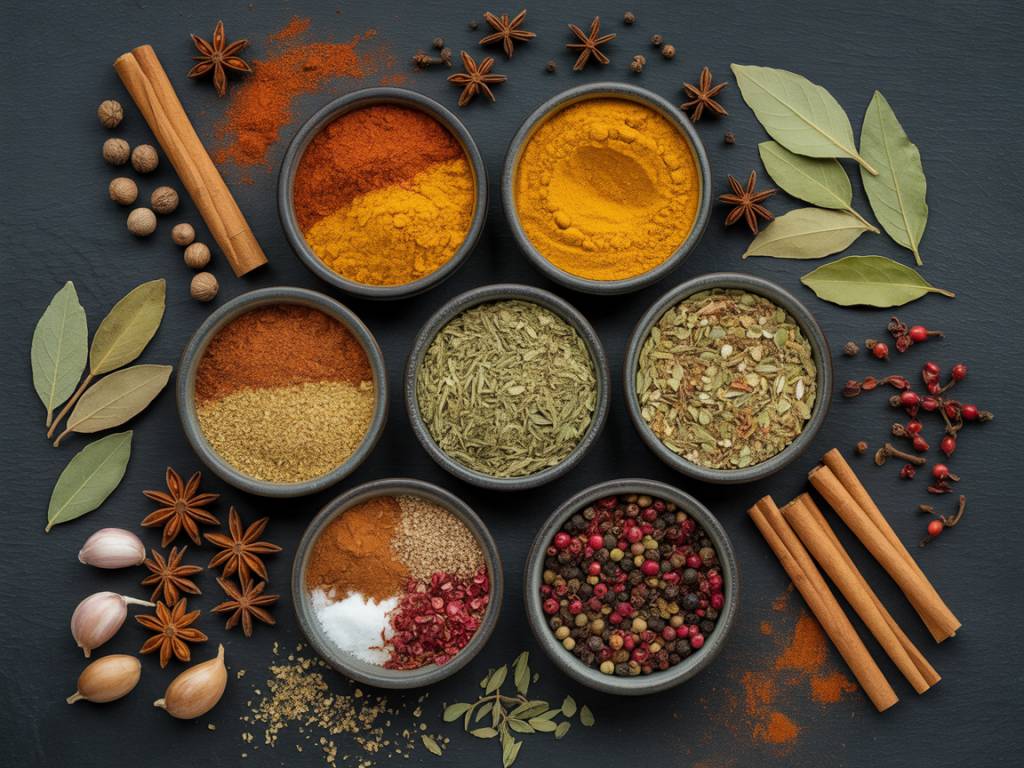
If there is one simple way to make everyday meals more delicious, easier to digest and a little healthier, it’s this: upgrade your spice rack. Not en masse, pas besoin d’en acheter 25 d’un coup. Just a small set of organic spices you’ll reach for every single day.
In this article, I’ll walk you through my essential digestion-friendly organic spices, why going organic really matters for dried herbs and spices, and how to use them in quick, realistic ways: weekday soups, five-minute marinades, desk-friendly teas and last-minute roasted veg. Nothing fancy, just habits you can actually keep.
Why organic spices are worth it (especially for digestion)
Spices are tiny but very concentrated. That’s exactly why we love them in the kitchen… and why quality really matters.
Choosing organic spices means:
- Fewer pesticide residues: Spices are often grown in regions where pesticide regulation can be loose. Because you only use a small pinch, it’s tempting to shrug it off, but gram for gram, spices can carry higher residue levels than many fresh foods. Organic certification reduces this exposure.
- No synthetic colours or anti-caking agents: Some conventional spice blends (especially cheap curry powders or “seasoning mixes”) can contain artificial colours, flavour enhancers and anti-caking agents. Organic standards restrict or ban many of these additives.
- Better for your gut microbiome: Your digestive system isn’t just “you” — it’s trillions of bacteria. Emerging research suggests that repeated exposure to certain pesticide residues may influence gut bacteria. Is the science complete? Not yet. But many gut specialists now recommend favouring organic when possible for foods you consume very regularly or in concentrated form — like spices.
- More aroma, less quantity needed: Well-grown, carefully dried organic spices tend to be more aromatic. You often need less to get the same flavour impact, which makes them surprisingly cost-effective over time.
In short: if you’re working on digestion, calming bloating, or balancing blood sugar, organic spices are small but powerful allies.
Essential organic spices for flavour and digestive comfort
Below are the spices I recommend having on hand if you want to cook simple, tasty food that’s also kind to your gut. You absolutely don’t need them all at once. Start with two or three that match what you already eat most often.
1. Ginger: the everyday stomach-soother
Fresh ginger gets a lot of love, but don’t overlook organic dried ginger powder: it’s convenient, keeps well, and is brilliant for quick drinks and marinades.
- Benefits for digestion: Traditionally used to ease nausea, motion sickness and slow digestion. Studies suggest ginger can help speed gastric emptying and reduce discomfort after heavy or fatty meals.
- Flavour profile: Warm, slightly peppery, with a little heat. Lovely in both sweet and savoury dishes.
- How to use it daily:
- Stir ¼–½ tsp into hot water with lemon after meals to ease heaviness.
- Add to carrot, pumpkin or sweet potato soups for warmth without making them spicy.
- Mix with soy sauce, garlic and a little honey for a five-minute tofu or chicken marinade.
2. Turmeric: gentle anti-inflammatory support
Organic turmeric is one of those spices where quality is obvious: good turmeric is a deep, vibrant orange with a warm, almost earthy perfume.
- Benefits for digestion: Turmeric has been studied for its anti-inflammatory properties, particularly in the gut and liver. It may support bile production, which helps digest fats, and can be soothing in cases of mild digestive discomfort.
- Flavour profile: Earthy, slightly bitter, not particularly hot. Beautiful colour more than strong flavour if used moderately.
- How to use it daily:
- Add ½ tsp to lentils, rice or quinoa while they cook.
- Stir into hummus or yogurt dips with lemon and garlic.
- Use in a simple “golden milk”: warm plant milk, turmeric, pinch of cinnamon, black pepper, and a drizzle of honey.
3. Cumin: the bloating buster
Cumin seeds (or ground cumin) are widely used in traditional cuisines not just for flavour, but precisely because they help make legumes and vegetable dishes easier to digest.
- Benefits for digestion: Traditionally used to reduce gas and cramping. Some studies point to cumin supporting digestive enzyme activity and improving overall digestion in people with functional dyspepsia.
- Flavour profile: Warm, nutty, slightly smoky. Instantly evokes Middle Eastern, Indian and Mexican cooking.
- How to use it daily:
- Toast cumin seeds in a dry pan for 30–60 seconds and sprinkle over roasted vegetables.
- Add ground cumin to bean dishes, lentil soups and chili to make them more gut-friendly.
- Mix cumin with olive oil, lemon and garlic for a fast salad dressing.
4. Fennel: light and sweet for post-meal comfort
Fennel seeds are a classic after-dinner digestive in many cultures. You’ll often see them served sugared in Indian restaurants for this reason.
- Benefits for digestion: Carminative (helps relieve gas), may ease cramping and support smoother intestinal transit. Particularly helpful if you feel “puffy” after meals.
- Flavour profile: Mildly sweet, anise-like, more gentle than licorice.
- How to use it daily:
- Chew ½ tsp of organic fennel seeds slowly after a heavy or rich meal.
- Steep 1 tsp seeds in hot water for 5–10 minutes for a calming herbal tea.
- Crush lightly and add to roasted carrots or braised cabbage.
5. Coriander: the quiet multitasker
Coriander seeds (not the fresh leaves) are under-used in many home kitchens but are fantastic for both flavour and digestion.
- Benefits for digestion: Traditionally used to ease indigestion and bloating. Coriander may stimulate digestive enzymes and bile, helping you handle heavier meals.
- Flavour profile: Citrusy, slightly sweet, very aromatic but not spicy.
- How to use it daily:
- Crush coriander seeds and combine with cumin for an all-purpose veg seasoning.
- Add ground coriander to soups, stews and curries for depth without heat.
- Use in marinades for fish and poultry with lemon and fresh herbs.
6. Cinnamon: for digestion and blood sugar balance
Organic cinnamon (especially Ceylon cinnamon, when you can find it) is more than a “dessert spice”. It works surprisingly well in savoury dishes and can support more stable energy after meals.
- Benefits for digestion: Traditionally used to ease digestive discomfort and bloating. Some research also points to cinnamon supporting better blood sugar control, which indirectly helps with energy dips and cravings.
- Flavour profile: Warm, sweet, slightly woody. Instantly comforting.
- How to use it daily:
- Sprinkle on porridge, baked apples or stewed fruit instead of adding extra sugar.
- Add a pinch to tomato sauces or chili for warmth and complexity.
- Infuse a stick of cinnamon in herbal teas or hot chocolate.
7. Cardamom: gentle on the stomach, big on aroma
Cardamom is often combined with coffee or rich milk-based desserts in Middle Eastern and Indian cuisines — not by accident, but because it helps lighten the digestive load.
- Benefits for digestion: Traditionally used for indigestion, nausea and gas. It pairs well with heavier, creamy foods to make them feel less cloying.
- Flavour profile: Floral, slightly citrusy, very aromatic. A little goes a long way.
- How to use it daily:
- Add a crushed pod or a pinch of ground cardamom to your morning porridge or overnight oats.
- Use in coffee: infuse a pod with the grounds for a subtly spiced cup.
- Combine with cinnamon in baked fruit for an easy, gut-friendly dessert.
8. Black pepper: small pinch, big impact
Black pepper is so common we tend to forget it’s a spice with real functional benefits.
- Benefits for digestion: May stimulate digestive juices and enzyme production. It can also improve the absorption of certain compounds, notably curcumin from turmeric.
- Flavour profile: Pungent, slightly woody. Freshly ground is miles ahead of pre-ground.
- How to use it daily:
- Grind over almost everything savoury — especially dishes containing turmeric.
- Add to salad dressings with lemon or apple cider vinegar.
- Use a twist of pepper on strawberries or grilled peaches for a surprising, grown-up dessert.
9. Mint (dried): the backup for fresh herbs
Fresh mint is wonderful, but having a small jar of good organic dried mint can save the day when the fridge is empty.
- Benefits for digestion: Mint is known for easing spasms in the digestive tract and relieving gas. Peppermint tea is a classic for post-meal relief.
- Flavour profile: Cool, refreshing, slightly sweet.
- How to use it daily:
- Steep a teaspoon in hot water after meals.
- Sprinkle dried mint over Greek yogurt with cucumber and garlic for a quick tzatziki-style dip.
- Add to peas, new potatoes or green beans at the end of cooking.
How to choose and store your organic spices
Once you’ve decided which spices to bring home, the way you buy and store them makes a huge difference to both flavour and potential benefits.
Choosing good organic spices
- Prioritise whole spices when possible: Seeds and whole pods (cumin seeds, coriander seeds, cardamom pods, peppercorns) keep their aroma longer than ground versions. You can grind them with a simple mortar and pestle or a clean coffee grinder.
- Check colour and aroma: Vibrant colour and a strong, pleasant smell are your best quality indicators. If turmeric looks dull or paprika smells of nothing, leave it.
- Look for clear organic labels: In Europe, the EU organic logo; in the UK, Soil Association or equivalent certification. This ensures audit trails from field to jar.
- Prefer smaller quantities at first: Most spices start to lose intensity after 6–12 months once opened. Buy the amount you’ll realistically use in that timeframe.
Storing your spices for maximum potency
- Keep them away from heat, light and steam: Not right above the hob, even if that shelf looks convenient. Heat and steam quickly damage volatile oils.
- Use airtight containers: Glass jars with tight lids are perfect. If you buy from bulk bins, transfer into jars at home and label with the date.
- Do a “sniff test” twice a year: If a spice hardly smells when you open the jar, it won’t add much to your food or your digestion. Time to replace.
Simple ways to use these spices every day (without complex recipes)
You don’t need three-hour curries to enjoy spices. Here are very fast ways to make them part of your routine.
Everyday spice drinks
- After-meal ginger-fennel tea:
- 1 pinch ground ginger or a few slices fresh
- 1 tsp crushed fennel seeds
- 250 ml just-boiled water
Steep 5–10 minutes, sip slowly after heavy or gassy meals.
- Golden evening milk:
- 250 ml dairy or plant milk
- ½ tsp turmeric
- Pinch cinnamon + black pepper
- Optional: a little honey or maple syrup
Warm gently, whisk, and drink before bed to support relaxation and night-time digestion.
- Mint-coriander digestive infusion:
- 1 tsp dried mint
- ½ tsp lightly crushed coriander seeds
Steep 8–10 minutes for a light, refreshing after-lunch drink.
Quick spice blends to keep near the stove
- Everyday veg blend:
- 2 parts ground cumin
- 2 parts ground coriander
- 1 part turmeric
- ½ part black pepper
Toss with any vegetables and olive oil before roasting; add to soups and stews.
- Sweet digestion blend:
- 2 parts cinnamon
- 1 part ground cardamom
- 1 part ground ginger
Use on porridge, yogurt, baked fruit or in banana bread.
Spice shortcuts for busy days
- Stir ½ tsp of the veg blend into canned lentil or tomato soup to make it more aromatic and digestible.
- Rub fish or tofu with olive oil, lemon, coriander, cumin and black pepper for a 15-minute marinade.
- Add a pinch of cinnamon and cardamom to your morning coffee or hot chocolate to reduce the sense of heaviness.
- Finish dishes — don’t just cook with spices. A final sprinkle of freshly ground pepper, crushed coriander or toasted cumin at the table gives more aroma with less quantity.
A one-day example: cooking with spices for calmer digestion
If you like to see things in practice, here’s a realistic day of meals using the spices above. Adjust portions to your own needs; the focus here is on how to incorporate spices simply.
Breakfast: Spiced apple porridge
- Cook oats with water or milk.
- Stir in:
- ½ tsp cinnamon
- Pinch ginger
- Pinch cardamom
- Top with sliced apple and a spoon of nut butter.
This combination supports slower glucose release (thanks to cinnamon and fibre) and feels warm and easy on the stomach.
Mid-morning: Mint-coriander infusion
- Make a large mug of dried mint and coriander seed tea.
- Sip at your desk, especially if you had breakfast in a rush.
Lunch: Turmeric-cumin lentil soup
- Sauté onion and garlic in olive oil.
- Add:
- 1 tsp ground cumin
- 1 tsp ground coriander
- ½–1 tsp turmeric
- Stir briefly, then add red lentils, carrots, water or stock, simmer until soft.
- Finish with black pepper and lemon juice.
Warming, filling, yet easier to digest than many heavy lunchtime options thanks to the spice combo and fibre.
Afternoon: Fennel seed snack
- Chew ½ tsp fennel seeds after a snack or coffee if you tend to get afternoon bloating.
Dinner: Roasted vegetables with yogurt-mint sauce & peppery fish
- Vegetables:
- Toss seasonal veg (carrots, squash, cauliflower, onions) with olive oil and 2–3 tsp of the “Everyday veg blend”.
- Roast until caramelised.
- Fish or tofu:
- Season with salt, black pepper, lemon zest and a pinch of coriander.
- Pan-fry or bake.
- Yogurt-mint sauce:
- Plain yogurt + dried mint + pinch of garlic + salt + lemon.
This plate gives you protein, fibre, warming spices and a cooling, digestive-friendly sauce — satisfying without the post-dinner heaviness.
Before bed: Golden milk
- Warm milk with turmeric, cinnamon and black pepper.
- Sip slowly, ideally away from screens.
This gentle ritual signals “end of the day” to your body, while supporting overnight rest and digestion.
Start with what feels realistic: maybe adding cinnamon and ginger to your breakfast, fennel tea after dinner, and one simple veg spice blend near your stove. Once those are on autopilot, you can play with cardamom in your coffee or coriander and cumin in your soups. Over time, this quiet rotation of organic spices can reshape not only how your meals taste, but how your digestion feels every single day.