If dessert is the first thing you scan on a menu, you are in the right place. You don’t have to give up treats to eat well – you just need to rethink what’s in them, and how often they land on your plate.
In my own kitchen, the turning point came the day I read the back of a “light” dessert pot: four types of sugar, plus sweeteners I couldn’t pronounce. Yet it tasted… average. Since then, I’ve been working on desserts that feel indulgent, taste genuinely rich, and don’t rely on refined white sugar.
In this article, we’ll look at how to build delicious, natural desserts with everyday ingredients, how to replace refined sugar without sacrificing pleasure, and a few simple recipes you can put into practice tonight.
Why move away from refined sugar?
Let’s be clear: sugar itself is not “evil”. The problem is the quantity, frequency, and quality of the sugars we eat.
Refined white sugar is:
- Highly processed: almost all minerals and natural compounds from the original plant are removed.
- Very quickly absorbed: it raises blood sugar fast, then drops just as fast, which can lead to cravings and fatigue.
- Everywhere: in cereals, sauces, “healthy” granolas, flavoured yoghurts, and of course in desserts.
Natural sweeteners (dates, fruit purées, honey, maple syrup, etc.) still bring sugar, but usually with:
- Fibre (in whole fruit, dates, dried fruit) that slows absorption.
- Micronutrients (minerals, antioxidants) still present in the less processed forms.
- Complex flavours (caramel, fruit, floral notes) that make you satisfied with smaller portions.
Does that make them “free” sugars you can eat endlessly? No. But they’re a better tool if your goal is everyday desserts that feel kinder to your body, while still being genuinely enjoyable.
Natural sweeteners that actually work in real-life desserts
Not all alternatives behave the same in recipes. Here are the ones I use most often at home and when I test recipes for clients.
1. Dates (especially Medjool)
- Best for: energy balls, caramel-style fillings, raw crusts, fudgy brownies.
- Why they work: their sticky texture acts as both sweetener and binder, and they bring a rich caramel taste.
- Use like this: soak pitted dates in warm water for 10 minutes, blend to a paste, then use to sweeten mousses, cheesecakes, porridges.
2. Ripe bananas
- Best for: banana bread, pancakes, muffins, ice creams.
- Why they work: naturally sweet plus creamy; replace both sugar and some fat in a recipe.
- Use like this: the browner the peel, the better. Mash with a fork or blend. For a standard cake, 1 large banana replaces roughly 40–50 g of sugar.
3. Unsweetened apple sauce
- Best for: light cakes, muffins, breakfast bars, quick breads.
- Why it works: mild taste that lets other flavours shine, keeps cakes moist, and lightly sweet.
- Use like this: replace 1/3 to 1/2 of the sugar in a recipe with the same volume of apple sauce; reduce the liquid slightly if the batter becomes too runny.
4. Honey (preferably raw, local, organic when possible)
- Best for: no-bake desserts, marinades for fruit, yoghurt bowls, granolas, baked fruits.
- Why it works: very aromatic, slightly sweeter than sugar – you usually need less.
- Use like this: for every 100 g of sugar, use about 70–80 g honey and reduce other liquid ingredients a little.
5. Maple syrup (pure, graded)
- Best for: pancakes, porridges, roasted nuts, custards, dressings for fruit salads.
- Why it works: fluid, easy to incorporate, lovely caramel-woody notes that feel very “dessert”.
- Use like this: same approach as honey: around 70–80 g maple syrup per 100 g sugar, and adjust liquids.
6. Coconut sugar
- Best for: cookies, crumble toppings, sponge cakes where you want a “brown sugar” effect.
- Why it works: behaves similarly to brown sugar, with gentle caramel flavours.
- Use like this: swap 1:1 for white sugar in most recipes, but know it will make the colour slightly darker and taste more toffee-like.
How to adapt “classic” dessert recipes
One of the easiest ways to change your dessert routine is to tweak recipes you already love. Here’s a practical roadmap I use with clients who want to lighten things without losing pleasure.
Step 1: Reduce sugar gradually
- Start by reducing the sugar in your usual recipe by 20–30%. In many cakes, you won’t notice the difference.
- If that goes well, next time reduce by another 10%. At some point you’ll find the limit where texture or taste suffers – stay just above that.
Step 2: Replace part of the sugar with fruit
- In muffins, banana breads, pancakes: swap 1/3 of the sugar for mashed banana or apple sauce.
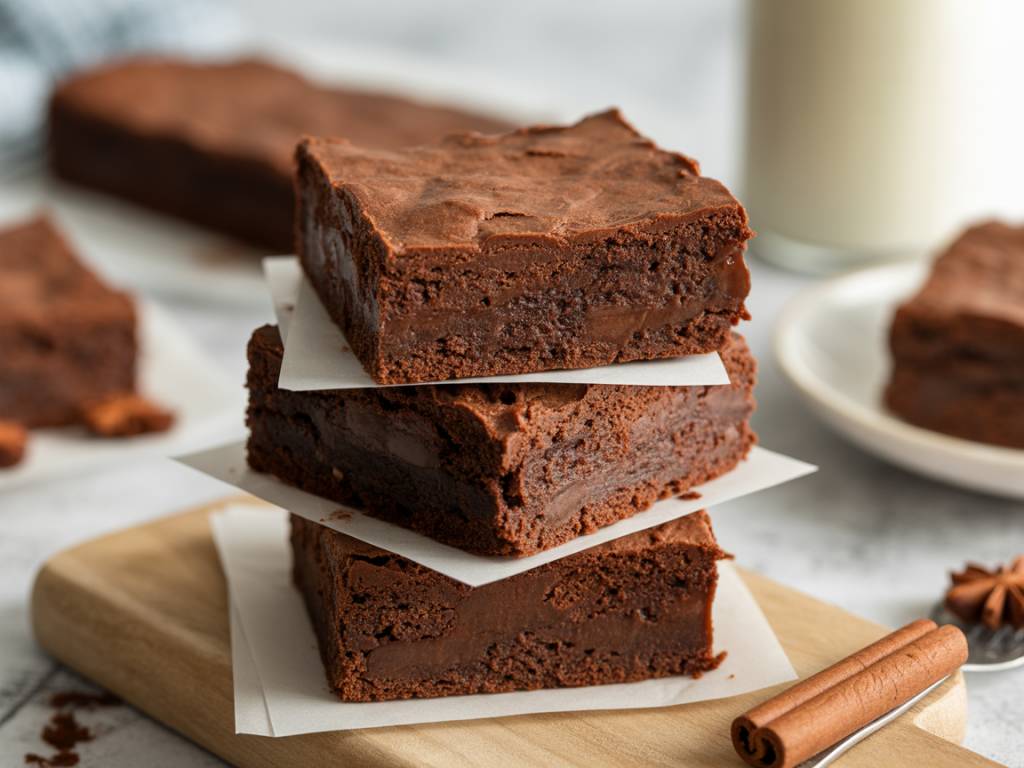
- In chocolate cakes: dates or date paste work very well because cocoa balances their flavour.
Step 3: Layer flavour, not sweetness
- Add vanilla, citrus zest, spices (cinnamon, cardamom, ginger), good cocoa, or coffee to make desserts taste richer without more sugar.
- Salt is your ally: a small pinch in chocolate or caramel-style desserts enhances flavour and reduces the need for extra sweetness.
Step 4: Change the portion, not just the recipe
- Serve in small glasses, jars, or ramekins – visually satisfying, naturally smaller portions.
- Pair desserts with a base of unsweetened yoghurt, skyr, or a plant yoghurt to bring protein and cut the sweetness.
Simple everyday recipes without refined sugar
Here are three recipes I come back to again and again at home. They’re fast, use cupboard staples, and don’t require refined sugar.
Recipe 1: 5-minute chocolate & date pots
Serves: 4 small pots
Ingredients
- 10 soft dates (Medjool if possible), pitted
- 250 ml unsweetened milk (cow’s, oat, or almond all work)
- 3 tbsp unsweetened cocoa powder
- 1 tsp vanilla extract
- Small pinch of sea salt
- Optional: 1–2 tbsp nut butter (peanut, almond, hazelnut) for extra richness
Method
- Soak the pitted dates in very warm water for 5–10 minutes if they’re firm. Drain well.
- In a blender, add dates, milk, cocoa, vanilla, salt, and nut butter if using.
- Blend until completely smooth and creamy, scraping down the sides if needed.
- Taste. If you want more sweetness, add 1–2 extra dates and blend again.
- Pour into 4 small glasses or jars and chill for at least 30 minutes to set slightly.
To serve: top with crushed nuts, cacao nibs, or a spoonful of plain yoghurt for contrast.
Storage: keeps 3 days in the fridge in a sealed container.
Recipe 2: Banana-oat skillet cookies
These are halfway between a cookie and a soft breakfast bar – perfect when you want “something sweet” with a tea without a full-blown dessert.
Serves: 8–10 wedges (or 10–12 small cookies)
Ingredients
- 2 very ripe bananas
- 120 g rolled oats
- 2 tbsp nut butter (peanut, almond, or cashew)
- 2 tbsp coconut oil or butter, melted
- 1 tsp vanilla extract
- 1/2 tsp cinnamon
- 1/2 tsp baking powder
- A pinch of salt
- Optional extras: 40 g dark chocolate chips (70% cacao), chopped nuts, or raisins
Method
- Preheat the oven to 180°C (fan 160°C). Grease a small skillet or line a tray with baking paper.
- In a bowl, mash the bananas until smooth.
- Add nut butter, melted coconut oil or butter, vanilla, cinnamon, baking powder, and salt. Mix well.
- Stir in the oats and any extras (chocolate, nuts, raisins).
- For a skillet cookie: press the mixture evenly into the skillet. For individual cookies: scoop tablespoons of dough onto the tray and flatten lightly.
- Bake 15–18 minutes, until lightly golden at the edges and just set in the centre.
- Let cool slightly before slicing or removing from the tray – they will firm as they cool.
Storage: 3 days at room temperature in an airtight box, or freeze up to 1 month.
Recipe 3: Roasted fruit with crunchy topping
This is one of my favourite options when I host dinners: it looks sophisticated, uses whatever fruit is in season, and can be mostly prepared in advance.
Serves: 4
Ingredients
- 600–700 g seasonal fruit, cut into large pieces (pears, apples, plums, peaches, nectarines, or a mix)
- 2 tbsp honey or maple syrup
- 1 tbsp lemon juice
- 1 tsp vanilla extract or 1 vanilla pod, split
- 1/2 tsp ground cinnamon (optional)
- 40 g nuts (almonds, hazelnuts, walnuts), roughly chopped
- 30 g rolled oats
- 1 tbsp coconut oil or butter, melted
- A small pinch of salt
Method
- Preheat the oven to 180°C (fan 160°C).
- Arrange the fruit in a baking dish in a single layer.
- In a small bowl, mix honey or maple syrup, lemon juice, vanilla, and cinnamon.
- Pour this mixture over the fruit and toss gently to coat.
- In another bowl, combine nuts, oats, melted coconut oil or butter, and salt until you have a crumbly mixture.
- Scatter the crunchy mixture over the fruit.
- Bake 20–25 minutes, stirring the fruit once halfway through, until the fruit is soft and lightly caramelised and the topping is golden.
To serve: warm, with plain Greek yoghurt, thick coconut yoghurt, or a splash of cold cream.
Storage: keeps 2–3 days in the fridge; reheat gently or enjoy at room temperature.
How to make these desserts really “everyday”
The real challenge isn’t finding a good recipe once; it’s making it fit into a busy week. Here are some practical habits I recommend when I work with families who want healthier desserts without feeling deprived.
Always have a “sweet base” ready
- Keep a jar of date paste in the fridge: blend soaked dates with a little water into a thick paste. Use to sweeten yoghurt, porridges, chia puddings, or homemade hot chocolate.
- Cook a batch of unsweetened apple sauce on weekends: apples + a splash of water, simmer, blend. Freeze in small portions if needed.
- Freeze ripe bananas in chunks: instant base for no-sugar-added ice creams and smoothies.
Stock simple “transformer” ingredients
- Whole nuts and seeds: add crunch, slow down sugar absorption, and make desserts more satisfying.
- 70% (or higher) dark chocolate: a few chopped squares turn a simple banana or yoghurt into a dessert.
- Spices and citrus: grated orange zest on a piece of dark chocolate, or cinnamon on roasted apple, feels surprisingly gourmet.
Think “fruit first”, dessert second
- Start with fresh or roasted fruit, then add a small layer of something rich (nut butter, yoghurt, granola crumble, chocolate shavings).
- In practice: a bowl of sliced pear, a spoon of almond butter, a sprinkle of oats and chopped dark chocolate – 3 minutes, dessert is ready.
Are natural desserts always “healthy”?
It’s worth repeating: a cake sweetened with dates and honey is still a cake. Using natural sweeteners is a step in the right direction, not a magic spell.
Here are some realistic benchmarks I use with my own clients:
- Frequency: aim for naturally sweet desserts (fruit-based, lightly sweetened yoghurt, etc.) several times a week, and more elaborate cakes or tarts once or twice a week.
- Portion: a small ramekin, one slice, or two small cookies is usually enough if the flavours are satisfying and you’re not starving when you start.
- Balance: try to bring in some fibre and protein with your dessert – fruit, nuts, seeds, yoghurt – to avoid a sharp blood sugar spike.
If you live with children (or adults) who are used to very sweet industrial snacks, expect a transition period. Taste buds adjust. After a few weeks of lowering overall sugar, you’ll notice natural desserts suddenly taste sweeter, and supermarket cakes might taste almost aggressively sugary.
Putting it all together in your own kitchen
You don’t need to overhaul everything at once. Pick one small step you can try this week:
- Replace your usual chocolate pudding with the chocolate & date pots.
- Swap one packaged snack for banana-oat cookies you batch-bake and freeze.
- Serve roasted fruit instead of a heavy dessert at your next dinner with friends.
- Stand in front of your cupboard and build a “natural dessert kit”: oats, nuts, dates, dark chocolate, honey or maple, spices.
Over time, these become new habits: less refined sugar, more real ingredients, and desserts that feel indulgent without the crash. And the best part? You don’t have to apologise for enjoying them on an ordinary Tuesday night.