


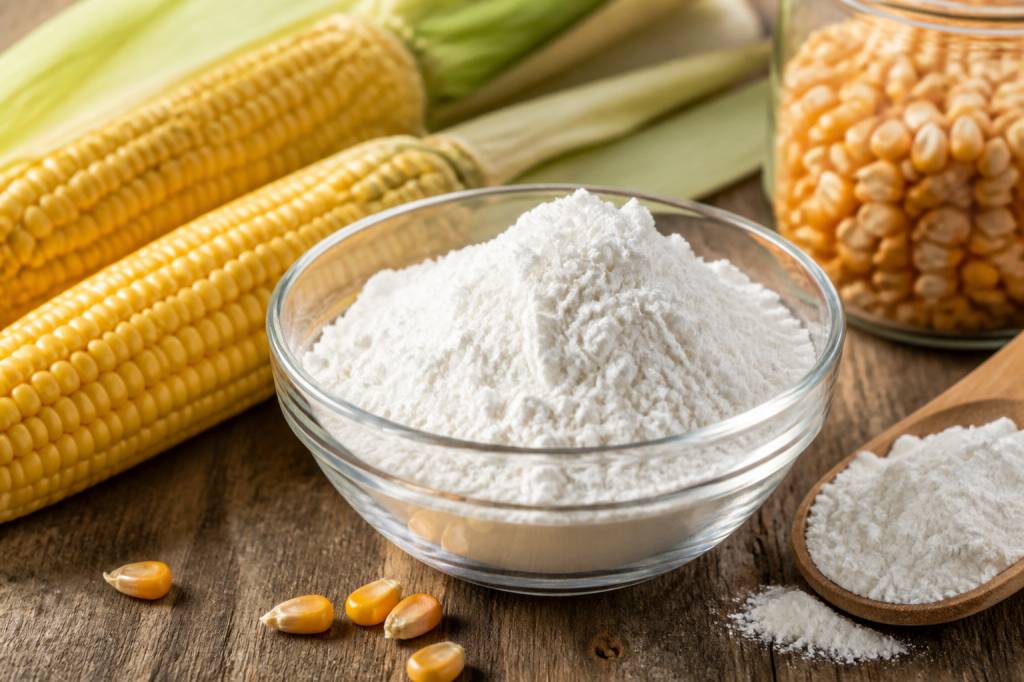
If you’ve ever stood in a UK supermarket staring at a packet of corn flour and wondered, “Wait… is this the same as cornmeal?” you are not alone. In Britain, corn flour usually means a very fine white starch made from maize, not the yellow, gritty flour you may find in US recipes. That small difference matters a lot when you’re thickening a sauce, coating chicken, or trying to rescue a lumpy custard at the last minute.
Used well, corn flour is one of the most practical ingredients in a kitchen. It’s cheap, shelf-stable, naturally gluten-free, and surprisingly useful beyond the classic gravy-thickening job. If you cook at home regularly, it’s worth knowing what to buy, how to use it, and where it fits into a healthier, less wasteful pantry.
What corn flour is in the UK
In the UK, corn flour is typically the same thing as cornstarch in American English: a fine, powdery starch extracted from maize. It is usually white, neutral in flavour, and used mainly for thickening or for giving a light crisp coating to fried foods.
This is where confusion starts, because in the US, “corn flour” often means a finely ground flour made from whole corn kernels. That version behaves very differently in recipes. So if you’re reading a recipe from an American blogger or an old cookbook, check carefully before you buy.
As a quick rule of thumb:
- UK corn flour = starch, best for sauces, soups, custards, and coatings.
- Cornmeal or polenta = gritty corn product, used for baking or porridge-like dishes.
- Whole corn flour = finely milled maize flour, closer to a baking flour.
If a recipe says “corn flour” and it’s from a UK source, it almost always means the starch. If it’s from the US, pause before you tip it into the mixing bowl.
Common uses in everyday cooking
Corn flour earns its place in the cupboard because it solves common kitchen problems fast. It thickens without a strong taste, and it works in both savoury and sweet dishes. That makes it more versatile than many people expect.
Here are the most useful ways to use it:
- Thickening sauces and gravies – ideal when you want a glossy finish without the heaviness of a roux.
- Binding fillings – useful in pies, fruit fillings, and some vegetable-based sauces.
- Making custards and puddings – it gives a smooth, stable texture.
- Coating before frying – helps create a crisp crust on tofu, chicken, fish, or vegetables.
- Gluten-free baking support – often blended with other flours to lighten texture.
- Preventing sticking – handy for dusting trays, moulds, or even chopped fruit for baking.
A simple kitchen example: if you’re making a quick mushroom sauce after roasting chicken, a teaspoon or two of corn flour mixed with cold water can save the day in under a minute. No separate pan. No fuss. No lumps, if you do it properly.
How to use corn flour without ending up with lumps
The main trick with corn flour is simple: never add it directly to hot liquid. That is the shortest route to those stubborn jelly-like clumps nobody wants to fish out at the table.
Use this method instead:
- Mix corn flour with a little cold water first.
- Stir until smooth and fully dissolved.
- Add it gradually to the hot liquid while stirring.
- Let it simmer briefly so the starch can activate and thicken properly.
A useful ratio is about 1 teaspoon of corn flour to 1 tablespoon of cold water for light thickening, though the exact amount depends on how much liquid you’re working with. For a sauce, start small. You can always add more, but no one has ever said, “This gravy is too smooth and elegant.”
For frying, many cooks mix corn flour with a little seasoned flour or rice flour. This gives a lighter, crispier finish than flour alone. It’s especially good for quick pan-frying and shallow frying.
Benefits of corn flour
Corn flour is not a “superfood”, and it doesn’t need to be. Its value is practical: it helps you cook well with minimal effort. That said, it does have several strengths worth knowing if you want to make smart everyday choices.
From a nutritional and cooking perspective, the main benefits are:
- Gluten-free – suitable for people avoiding gluten, as long as the pack is certified and free from cross-contamination warnings.
- Low in fat – it adds body without adding oil or butter.
- Neutral flavour – it won’t overpower delicate dishes.
- Easy to digest for many people – especially useful in light sauces and simple meals.
- Long shelf life – a good pantry staple that supports low-waste cooking.
Because corn flour is mostly starch, it is not especially rich in fibre, protein, or micronutrients. So it’s best thought of as a cooking tool rather than a nutritional hero. Pair it with nutrient-dense ingredients: vegetables, legumes, herbs, dairy or plant-based alternatives, and quality proteins.
One advantage I appreciate in practice is that it can help stretch meals. A small amount thickens soups and sauces, making them feel more substantial without requiring extra cream or cheese. That’s useful when you’re cooking on a budget or trying to use up the last handful of vegetables in the fridge.
Corn flour in gluten-free cooking
For gluten-free kitchens, corn flour is a reliable helper. It can improve texture in sauces, binding, and some baked goods, especially when combined with other flours like rice flour, tapioca starch, or ground almonds.
However, it works best as part of a blend rather than a solo act in baking. On its own, corn flour can make cakes or biscuits a bit too dense or dry. In small amounts, though, it adds lightness and helps structure.
Good gluten-free uses include:
- Thickening soups, stews, and pie fillings
- Helping batter cling to vegetables or fish
- Improving the texture of gluten-free sponge cakes when blended with other flours
- Creating smoother custards and dessert sauces
If you are cooking for someone with coeliac disease, always check the packaging for a gluten-free certification or a clear statement about cross-contamination. A product may be naturally gluten-free but still processed in a facility that handles wheat.
How to buy corn flour in the UK
Buying corn flour sounds straightforward, but the label is worth a closer look. Not every packet is the same, and if you’ve ever had a recipe fail because the wrong starch was used, you know why details matter.
Here’s what to check before you add it to your basket:
- Ingredient list – ideally it should say just maize or corn starch.
- Gluten-free certification – important if you need strict gluten avoidance.
- Pack size – small packs are fine for occasional use; larger ones suit regular cooks.
- Country of origin – useful if you care about sourcing and traceability.
- Organic label – if you prefer organic ingredients, look for the relevant UK or EU organic certification.
In practical terms, corn flour is usually affordable, so don’t assume the most expensive brand is automatically the best. What matters most is purity, clear labelling, and suitability for your diet. If you cook gluten-free often, a trusted certified brand is worth the slightly higher price.
If you shop in a specialist health food store, you may find organic versions with stronger sourcing information. In mainstream supermarkets, look closely at the fine print, especially if you’re buying in a hurry. Corn flour is one of those ingredients that looks innocent until you get home and realise you bought the wrong maize product.
What to look for if you want a better-quality product
There is no need to overcomplicate corn flour, but a few buying habits can make your pantry more reliable and your cooking more consistent.
- Choose a plain, single-ingredient product unless you specifically need a blend.
- Prefer recyclable packaging if reducing kitchen waste matters to you.
- Check the seal and freshness date before buying, especially online.
- Look for transparent sourcing if you care about agriculture and supply chains.
- Buy the amount you’ll use in a reasonable time to avoid stale pantry stock.
One small but useful habit: if you rarely use corn flour, buy a smaller pack and write the open date on it. It’s a simple way to keep track of what’s actually fresh in the cupboard. Pantry organisation is not glamorous, but it saves money and prevents those “I already had this, didn’t I?” shopping moments.
Storage tips to keep it in good condition
Corn flour stores well, but it still deserves basic care. Moisture is the enemy here, and a damp spoon or half-open packet can create problems quickly.
To keep it in good condition:
- Store it in a cool, dry cupboard.
- Keep the packet tightly sealed, or transfer it to an airtight container.
- Avoid storing it near the kettle, hob, or dishwasher steam.
- Use a dry spoon every time.
- Check for clumps, off smells, or signs of insects before use.
If you live in a busy kitchen with lots of humidity, an airtight jar is worth the effort. Corn flour absorbs moisture more easily than some people expect, and once it cakes up, measuring becomes a nuisance.
Simple recipe ideas where corn flour shines
If you buy corn flour and only ever use it for gravy, you’re missing some of its best uses. It’s especially handy in recipes where you want a clean, light texture.
Try it in these kinds of dishes:
- Chinese-style stir-fry sauces for a glossy finish and better cling
- Apple or berry pie fillings to keep the juice from turning watery
- Vanilla custard for a smooth dessert base
- Crispy tofu coated lightly before pan-frying
- Vegetable soups that need gentle thickening without cream
If you want a quick weeknight win, try this: toss sliced mushrooms in a little oil, season them, then add a slurry of corn flour and cold water to a splash of stock. Stir for a minute and you have a sauce that looks more polished than the effort suggests. That is the kind of kitchen shortcut that earns its keep.
When corn flour is not the right choice
Even useful ingredients have limits. Corn flour is not ideal when you want a grainy texture, full corn flavour, or baking structure on its own.
You may want a different ingredient if you are making:
- Rustic cornbread
- Polenta
- Traditional maize-based flatbreads
- Recipes where a strong, wheaty structure is needed
It’s also worth remembering that because corn flour is mostly starch, it should be used in moderation rather than as a main ingredient. Think support role, not starring role. It’s the backstage crew that keeps the meal running smoothly.
A quick buying checklist
If you want the short version while standing in the aisle, use this checklist:
- In the UK, corn flour usually means cornstarch.
- Check whether the recipe expects starch or ground corn flour.
- Choose a plain, single-ingredient pack.
- Look for gluten-free certification if needed.
- Store it dry and sealed.
- Use it for sauces, desserts, coatings, and light baking support.
Corn flour may be unassuming, but it is one of those pantry ingredients that quietly makes home cooking easier. Once you understand what it is, how it differs from cornmeal, and how to buy the right version in the UK, it becomes far more useful than its modest appearance suggests.
Keep a pack in the cupboard, learn the slurry method, and you’ll have a simple fix for everything from thin gravy to fruit pie filling. That’s a pretty good return for one small bag of white powder.