


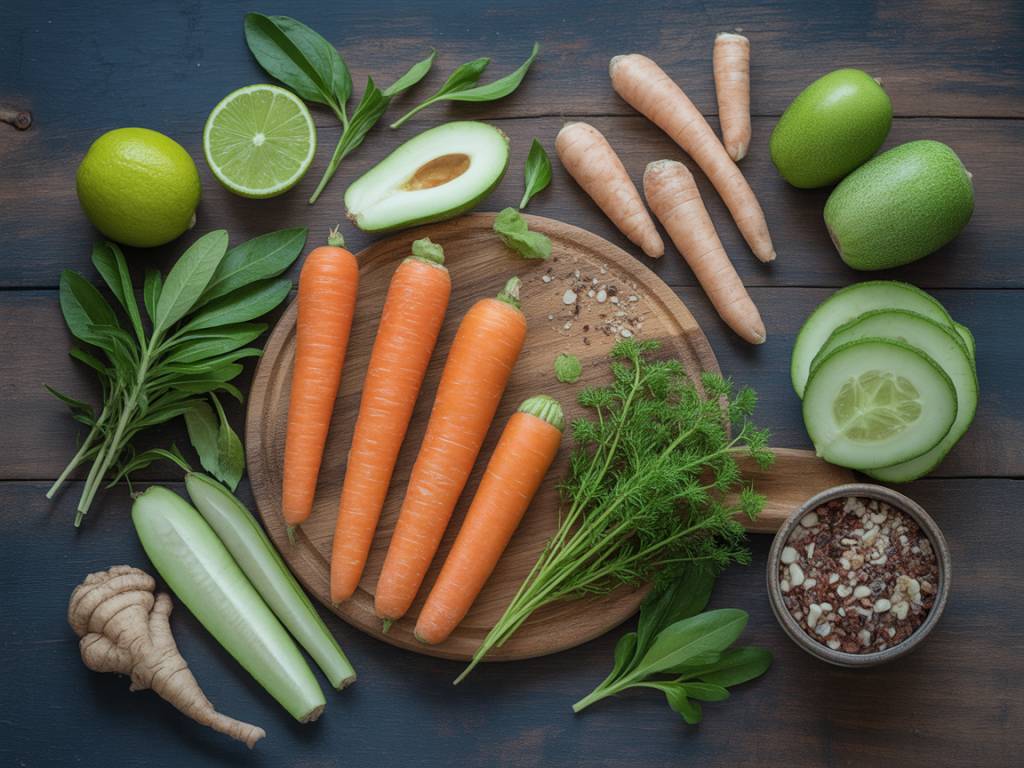
Chronic inflammation is increasingly recognised as a silent driver behind joint pain, digestive issues and a range of long-term health conditions. While medication and medical care remain essential for many people, daily food choices can play a meaningful role in moderating inflammation. Choosing organic, minimally processed foods adds another layer of support by reducing exposure to pesticide residues and synthetic additives that may stress the body over time.
Understanding inflammation, joints and gut health
Inflammation is a natural defence mechanism. When you cut your finger or fight an infection, short-term inflammation helps the body heal. Problems arise when this response becomes low-grade and chronic. This type of ongoing inflammation is associated with:
- Stiff or painful joints
- Digestive discomfort, bloating or irregularity
- Metabolic issues, including insulin resistance
- Cardiovascular problems over the long term
The gut and the joints are more connected than they appear. The gut lining and the trillions of microbes that live there influence immune activity throughout the body. When the gut barrier is disrupted or the microbiome is imbalanced, inflammatory signals can increase, potentially contributing to joint pain and other symptoms.
Food is not a cure-all, but research suggests that an eating pattern rich in anti-inflammatory, fibre-dense, minimally processed foods can help support a healthier immune response. Organic options may reduce exposure to certain chemicals and often encourage a more seasonal, plant-forward way of eating.
Why choose organic for anti-inflammatory eating?
Organic farming standards restrict or prohibit many synthetic pesticides, herbicides and fertilisers. For consumers, this can mean fewer agricultural chemical residues on food. Some observational studies have linked higher pesticide exposure to hormonal disruption and potential immune effects, although the science is still evolving.
Organic foods also often have:
- A higher likelihood of being produced in more diverse ecosystems, supporting soil health and biodiversity
- Less reliance on synthetic additives and preservatives
- Production methods that can store more carbon in soils and reduce some environmental pressures
From a health perspective, organic produce is not automatically “more nutritious”, but many anti-inflammatory staples are widely available in organic form. When budget is limited, it can be useful to prioritise organic versions of foods that are eaten daily or that are typically high in pesticide residues (such as berries, leafy greens and apples), and to buy conventional versions of foods with thicker skins (such as avocados or bananas) if needed.
Key anti-inflammatory organic foods for joints and gut
Certain whole foods stand out for their potential to support both joint comfort and digestive balance. Including them regularly, rather than focusing on one “superfood”, is what matters most.
Colourful vegetables
- Leafy greens (spinach, kale, Swiss chard, rocket): rich in antioxidants like vitamin C and beta-carotene, as well as magnesium, which plays a role in muscle and nerve function.
- Cruciferous vegetables (broccoli, Brussels sprouts, cabbage, cauliflower): contain sulphur compounds such as sulforaphane, linked in studies to reduced inflammatory signalling.
- Alliums (onions, garlic, leeks): provide quercetin and organosulfur compounds that may have anti-inflammatory effects.
Deeply coloured fruits
- Berries (blueberries, strawberries, blackberries): high in anthocyanins, which have been associated with reduced oxidative stress and improved vascular function.
- Cherries and grapes: also rich in polyphenols that can modulate inflammatory pathways.
- Apples and pears: provide fibre and flavonoids, especially in the skin, which can nourish beneficial gut bacteria.
Healthy fats
- Fatty fish (wild salmon, sardines, mackerel, anchovies): provide long-chain omega‑3 fatty acids (EPA and DHA) with well-documented anti-inflammatory properties, particularly relevant to joint health.
- Extra-virgin olive oil: contains monounsaturated fats and polyphenols like oleocanthal, which has been compared in laboratory settings to mild anti-inflammatory agents.
- Nuts and seeds (walnuts, flaxseeds, chia, hemp seeds, almonds): offer plant-based omega‑3s, fibre and minerals.
Herbs and spices
- Turmeric: its active compound, curcumin, has been widely studied for potential anti-inflammatory and antioxidant effects, though absorption can be limited without black pepper or fat.
- Ginger: known for easing nausea, ginger also appears to influence inflammatory pathways and may help with mild joint discomfort in some people.
- Rosemary, thyme, oregano: provide a range of phenolic compounds that support antioxidant defences.
Fibre-rich and fermented foods for gut support
- Whole grains (oats, quinoa, brown rice, buckwheat): provide fermentable fibres that feed beneficial gut bacteria and can support more stable blood sugar levels.
- Legumes (lentils, chickpeas, beans): rich in fibre and plant protein; soaking and slow cooking can improve tolerance for those with sensitive digestion.
- Fermented foods (sauerkraut, kimchi, unsweetened yoghurt, kefir, miso): supply live bacteria and fermentation by-products that may help maintain a more diverse and resilient microbiome.
Simple principles for daily joint and gut support
Rather than adopting a restrictive diet, several practical patterns can gently support inflammatory balance:
- Prioritise plants: aim to fill at least half the plate with vegetables and some fruit at most meals.
- Choose whole over refined: select whole grains and minimally processed foods to maintain fibre and nutrient content.
- Favour healthy fats: use extra-virgin olive oil and include nuts, seeds and oily fish regularly.
- Support the microbiome: include a mix of prebiotic fibres (from vegetables, legumes and whole grains) and fermented foods.
- Limit ultra-processed items: reduce intake of sugary drinks, refined snacks, processed meats and trans fats, which are associated with higher inflammatory markers.
Four simple organic recipes to try at home
The following recipes are deliberately straightforward, using accessible organic ingredients where possible. They are not medical treatments, but they can form part of a supportive, everyday routine.
Golden turmeric and ginger tea
Supports: gentle anti-inflammatory activity, warmth for joints, digestive comfort.
Ingredients (1–2 servings):
- 1 cup (250 ml) filtered water
- 1 cup (250 ml) organic unsweetened plant milk or dairy milk
- 1–2 teaspoons organic ground turmeric or 2–3 cm fresh turmeric root, sliced
- 1–2 cm fresh ginger root, sliced
- A pinch of freshly ground black pepper
- 1 teaspoon organic honey or maple syrup (optional)
Method:
- Add water, milk, turmeric and ginger to a small saucepan.
- Bring to a gentle simmer and let it cook for 5–10 minutes over low heat.
- Add black pepper at the end, then strain into a mug.
- Sweeten lightly if desired. Drink warm, ideally with a snack or meal if you have a sensitive stomach.
Note: Turmeric can interact with certain medications and may not be suitable in high amounts for people with gallbladder disease. If you are unsure, consult a healthcare professional.
Overnight oats with berries and flax
Supports: stable energy, gut microbiome nourishment, gentle fibre intake.
Ingredients (1 serving):
- ½ cup organic rolled oats
- ½ cup organic unsweetened yoghurt or plant yoghurt
- ½ cup water or plant milk
- ¼ cup organic mixed berries, fresh or frozen
- 1 tablespoon ground organic flaxseeds or chia seeds
- ½ teaspoon organic cinnamon
Method:
- Combine oats, yoghurt and liquid in a jar or container.
- Stir in flaxseeds and cinnamon.
- Top with berries, cover, and refrigerate overnight.
- In the morning, stir and add a small handful of nuts if you like extra crunch and fat.
This recipe brings together soluble fibre from oats and flax, polyphenols from berries and beneficial bacteria from yoghurt, making it a convenient breakfast for both gut and joint support.
One-pan salmon with cruciferous vegetables
Supports: omega‑3 intake for joints, antioxidant and fibre support for the gut.
Ingredients (2 servings):
- 2 organic salmon fillets or other oily fish (around 120 g each)
- 2 cups organic broccoli florets
- 1 cup Brussels sprouts, halved
- 1 small organic red onion, sliced
- 2–3 tablespoons extra-virgin olive oil
- Juice of ½ organic lemon
- 1 teaspoon dried oregano or thyme
- Sea salt and black pepper to taste
Method:
- Preheat the oven to 180–190°C.
- Toss broccoli, Brussels sprouts and onion with half the olive oil, oregano, salt and pepper on a baking tray.
- Roast for about 15 minutes.
- Remove the tray, push vegetables aside, and place salmon fillets in the centre.
- Drizzle remaining olive oil and the lemon juice over the fish, season lightly.
- Return to the oven for 10–15 minutes, or until salmon is cooked through and vegetables are tender.
This dish combines omega‑3 fats, cruciferous vegetables and aromatic herbs in a single pan, making it realistic for busy evenings.
Warm chickpea and vegetable stew with fermented garnish
Supports: plant-based protein, prebiotic fibre, and probiotic-rich topping for the gut.
Ingredients (3–4 servings):
- 2 tablespoons extra-virgin olive oil
- 1 organic onion, chopped
- 2 cloves organic garlic, minced
- 2 medium organic carrots, sliced
- 1 organic red or yellow pepper, chopped
- 1–2 cups chopped leafy greens (kale, spinach or chard)
- 1 can (400 g) organic chickpeas, rinsed, or 1.5 cups cooked chickpeas
- 1 can (400 g) organic chopped tomatoes
- 2 cups vegetable stock or water
- 1 teaspoon smoked paprika (optional)
- Sea salt and pepper to taste
- 2–3 tablespoons organic sauerkraut or kimchi per serving
Method:
- Heat olive oil in a large pot over medium heat.
- Sauté onion, garlic and carrots for 5–7 minutes until softened.
- Add pepper, greens, chickpeas, tomatoes, stock and paprika.
- Bring to a gentle simmer and cook for 20–25 minutes, adding water if it becomes too thick.
- Season to taste.
- Serve in bowls and top each portion with a spoonful of sauerkraut or kimchi just before eating, keeping the fermented vegetables cool to preserve live cultures.
This stew offers an accessible way to combine prebiotic fibres with a probiotic topping, which may support microbial diversity and, in turn, systemic inflammation.
Practical and safe use of anti-inflammatory organic foods
For most people, building meals around these foods is a low-risk strategy that can gently support joint comfort and digestive health. However, a few points are worth keeping in mind:
- If you live with a condition such as inflammatory bowel disease, rheumatoid arthritis or severe food allergies, changes in diet should be discussed with a healthcare professional or registered dietitian.
- Some herbs and spices, including turmeric and ginger, can interact with blood-thinning medication or affect gallbladder function when used in large, supplement-level doses.
- Those with sensitive digestion may need to introduce legumes, whole grains and fermented foods gradually to avoid discomfort.
Anti-inflammatory organic eating is essentially about consistency rather than perfection. Small, sustainable choices—such as adding a daily portion of leafy greens, swapping refined snacks for nuts, or including fermented vegetables on your plate—can, over time, create a more supportive internal environment for both your joints and your gut.